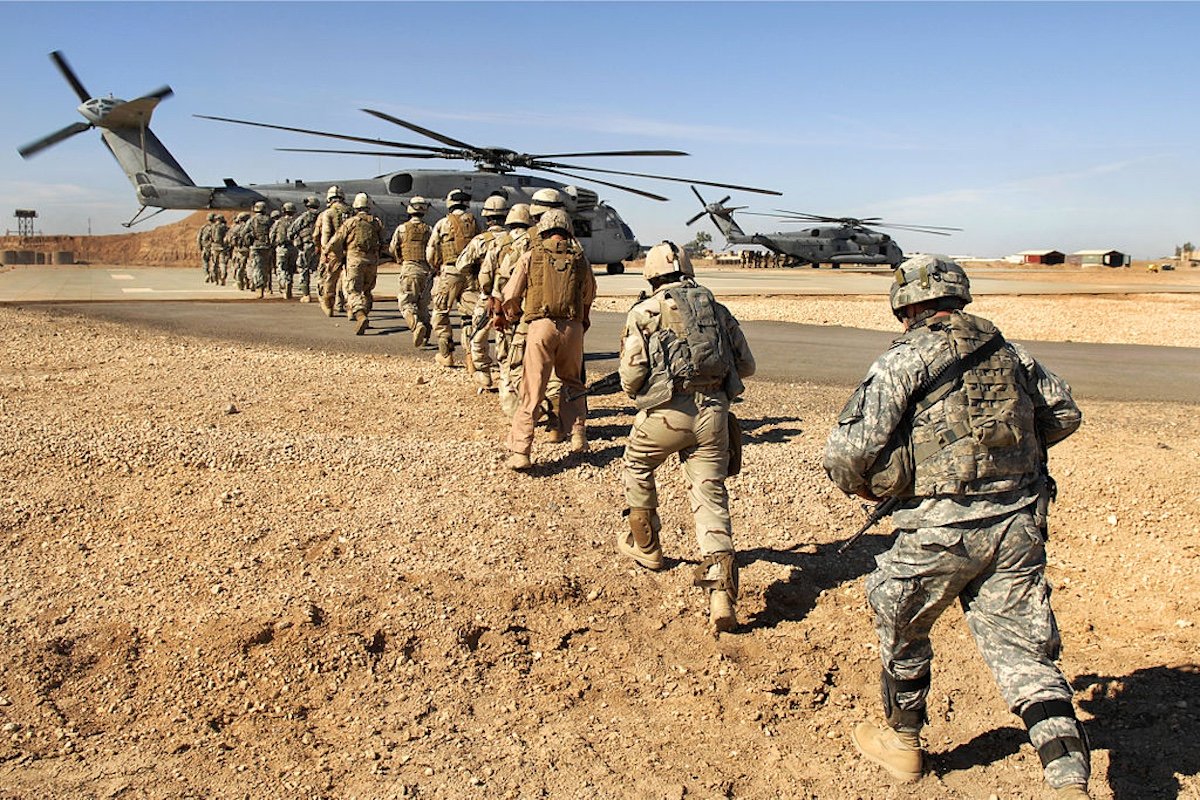
For three-quarters of a century, the Middle East operated within an American security frame. Washington was never the sole actor, but its fleets, bases, and diplomatic weight set the boundaries of what regional rivals could do to one another. That frame is not gone, but it has thinned — and what is emerging is less a new order than the return of an older condition: genuine multipolar competition among regional powers, hedging outside powers, and a United States that intervenes selectively rather than presides continuously.
The metaphor of a "vacuum" is misleading. Vacuums imply emptiness; in practice, the space vacated by a retreating hegemon is claimed unevenly, by whichever regional actor has the most capacity and clearest interest at that moment. In the post-hegemonic Middle East, this has produced three overlapping contests rather than a single successor order.
Three simultaneous contests
First, a Gulf contest for economic and diplomatic primacy. Saudi Arabia and the United Arab Emirates have spent the past decade building foreign policies independent of, and at times openly at odds with, Washington's preferences — de-escalating with Iran, hedging with China, buying arms wherever terms are best. This is not anti-Americanism; it is what realist theory predicts when a patron's guarantees become less certain: diversification of dependence.
Second, a struggle over Iran's regional position, conducted through proxies, sabotage, and occasional overt strikes. The underlying question remains unresolved: does a chastened, economically squeezed Iran retrench into its borders, or reinvest in deterrent architecture — nuclear latency chief among them — that a weaker conventional position makes more attractive?
Third, a reordering of Israel's regional relationships. Normalization with parts of the Arab world proceeds alongside unresolved, arguably worsening, conflict over the Palestinian question — a contradiction outside powers have preferred to manage rather than resolve, because resolution was never a prerequisite for diplomatic normalization.
None of this required an American withdrawal. It required only that regional actors stop assuming Washington's veto was permanent.
What post-hegemony means for Asia
For Asian capitals — from Tokyo and Seoul to New Delhi and Jakarta — the implications are direct. The Middle East remains the primary source of energy imports for Japan, South Korea, India, and much of Southeast Asia. A more volatile, multipolar Middle East means higher risk premiums on oil and gas, more complex diplomatic calculations, and potential pressure to choose sides in contests that are not of their making.
China, often cited as a potential successor patron, has shown persistent interest in commercial access and energy security but almost no interest in the security-guarantor role the United States played. Beijing offers no basing structure, no defense treaties, and no willingness to referee Sunni-Shia or Arab-Israeli disputes. Russia, degraded by its war in Ukraine, retains influence through arms sales and its Syrian foothold but lacks the reserve capacity to underwrite anyone's security in a crisis. What both offer regional states is negotiating leverage against the incumbent patron — exactly the diversification a rational middle power seeks once it doubts an existing patron's permanence.
The likely trajectory is not a stable new equilibrium but a rockier, more expensive, more diplomatically improvised regional politics — with wars managed rather than prevented, deterrence relationships that shift with each crisis, and outside powers drawn back in episodically. That is not a comforting picture, but it may be the honest one. As lessons from Britain's decline suggest, the end of imperial presumption rarely produces a clean transition.
The question for American policymakers is not how to restore the old frame. It is whether Washington can define a narrower set of genuine interests — nonproliferation, freedom of navigation, denying any single power exclusive control of Gulf energy flows — and pursue those without reassuming the guarantor's chair for everything else. That is a harder discipline than either full withdrawal or full re-engagement. It is also, on the realist premise, the only one likely to be sustainable.