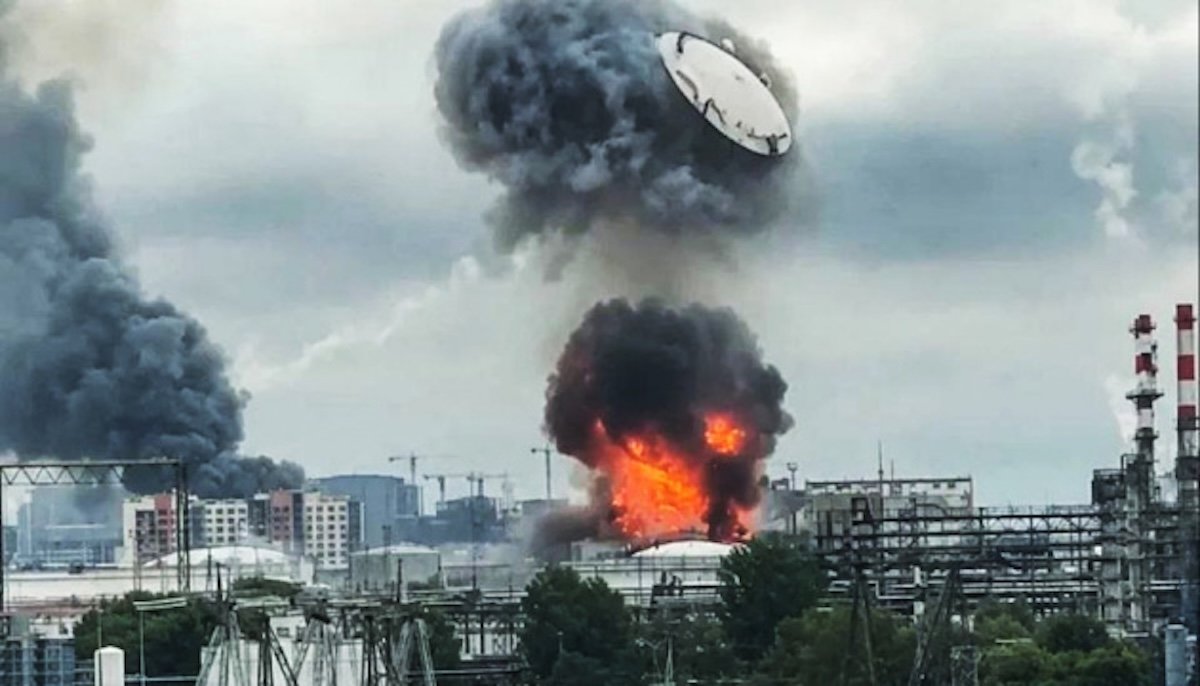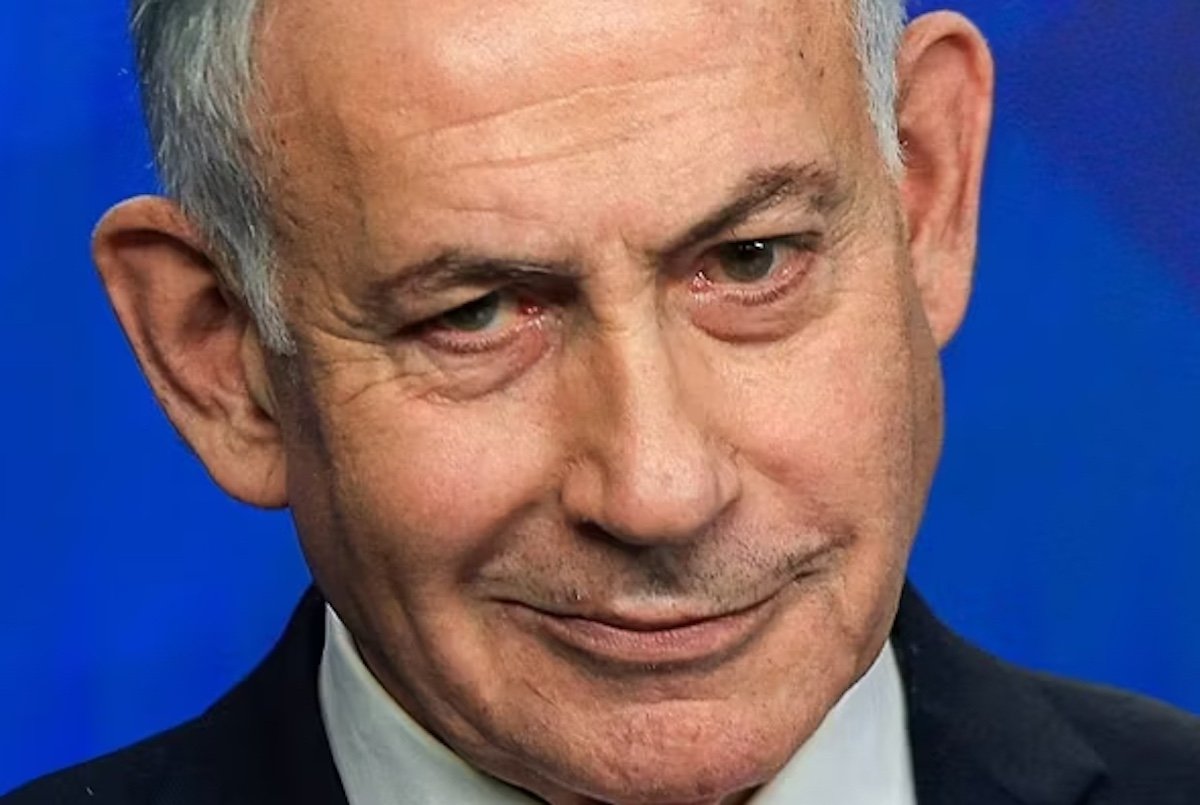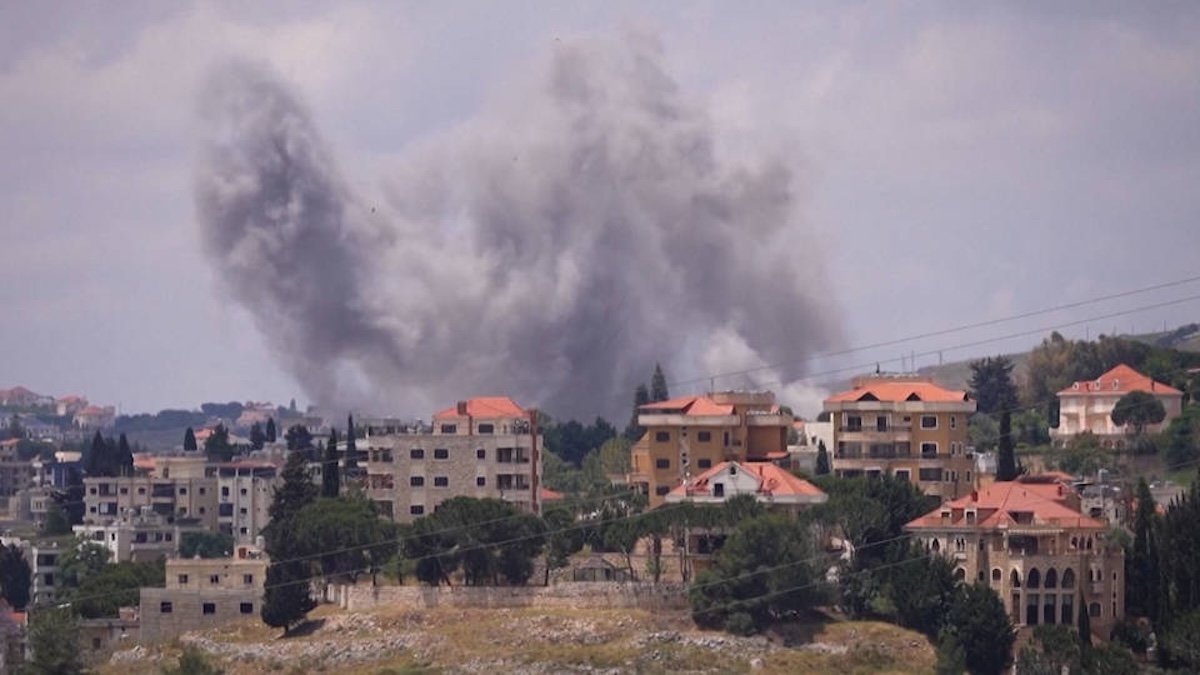
President Donald Trump said Monday that Israeli forces headed toward Beirut have turned back and that Hezbollah has agreed to halt all shooting, following separate phone calls with representatives from both sides. The claim came shortly after Iran announced it was suspending negotiations with the United States over Israel's intensified military campaign in Lebanon.
Iran's Tasnim News Agency reported Monday that Tehran is halting talks because of Israel's continued attacks in Lebanon, which it says violate a precondition for any ceasefire. The Islamic Revolutionary Guard Corps (IRGC) warned that crossing red lines in Lebanon and Gaza would be treated as an act of war, prompting defensive operations through unconventional measures, including maintaining the Strait of Hormuz equation.
Escalation and Blockade
Since Trump and Israeli Prime Minister Benjamin Netanyahu began bombing Iran on February 28, Iranian officials and global experts have repeatedly accused the Israeli government of sabotaging peace efforts. Iran has responded to the US-Israeli assault by restricting traffic through the Strait of Hormuz, a critical trade route for fossil fuels and fertilizer. As oil prices have surged, Trump imposed a naval blockade that he has maintained despite an April ceasefire agreement—which Israel initially claimed did not include Lebanon.
In a brief phone call with NBC News on Monday, Trump said he had not been informed of Iran's decision to suspend talks but added, "I think it's fine if they're done talking." He described Iran as "better negotiators than they are fighters" and said, "It doesn't mean we're going to go and start dropping bombs all over there." This comment came after the Trump administration launched new strikes against Iran over the weekend, and Iran attacked US military installations in the Middle East.
Trump told NBC, "We'll keep the blockade. If they don't want to talk, that's OK with me. I think it's fine. I don't particularly want to talk either. We talk too much."
However, shortly after that, Trump posted on his Truth Social platform that he had "a very productive call" with Netanyahu, and "there will be no Troops going to Beirut, and any Troops that are on their way, have already been turned back." He added that through "highly placed Representatives," he had a good call with Hezbollah, and "they agreed that all shooting will stop — That Israel will not attack them, and they will not attack Israel." Less than 15 minutes later, he noted that "talks are continuing, at a rapid pace, with the Islamic Republic of Iran."
While Iran's leadership had not publicly confirmed the halt on Monday, Foreign Minister Abbas Araghchi wrote on social media that "the ceasefire between Iran and the US is unequivocally a ceasefire on all fronts, including in Lebanon. Its violation on one front is a violation of the ceasefire on all fronts. The US and Israel are responsible for the consequences of any violation."
Iran's chief negotiator, Parliament Speaker Mohammad Bagher Ghalibaf, similarly said: "The naval blockade and escalation of war crimes in Lebanon by the genocidal Zionist regime are clear evidence of US noncompliance with the ceasefire. Every choice has a price, and the bill comes due."
Sina Toossi, a senior nonresident fellow at the Center for International Policy in Washington, DC, concluded that "the Iranian message is increasingly clear: no Lebanon ceasefire, no broader framework, and potentially no talks at all." He noted that "the talks are in a vicious cycle: progress, escalation, backtracking." Toossi added that many in Iran suspect Trump is trying to bring down the floor for oil prices ahead of more war, and that Israel is doing everything it can to derail diplomacy by turning southern Lebanon into another Gaza.
Other experts pointed to Gaza, where Israel is widely accused of pursuing genocide against Palestinians. Arab Center Washington DC fellow Assal Rad criticized Reuters reporting on Israel's escalation in Lebanon, saying that "like 'targeting Hamas' in Gaza, 'Hezbollah-controlled' is used to justify Israel flattening entire neighborhoods in Lebanon." She shared satellite images showing deliberate destruction of homes in southern Lebanon.
Mohamad Safa, who earlier this year resigned as a representative for the nongovernmental organization Patriotic Vision Association at the United Nations, accused Israel of "committing another genocide in real time in Lebanon with complete impunity." Former US Department of Defense adviser Jasmine El-Gamal, now leading Averos Strategies, warned early Monday that US and Israeli interests would inevitably suffer from the escalation.
The developments come amid broader regional tensions. Trump's push to expand the Abraham Accords has faced skepticism, as noted in Trump's Abraham Accords Push Complicates Iran Peace Efforts. Meanwhile, the Bank of Japan is grappling with inflation pressures from the Iran war, as detailed in Bank of Japan Caught Between Takaichi, Trump, and Iran War Inflation.