For nearly two years, Donald Trump performed an elaborate act. He spoke of wanting peace in Ukraine, expressed frustration with Vladimir Putin, and even hinted at sending advanced weapons to Kyiv. The performance fooled much of the international press, which kept speculating about a possible "pivot" toward Ukraine. But the mask has now slipped—decisively and irreversibly.
In recent days, Trump has dropped all pretense. He has lavished praise on Putin, blamed Volodymyr Zelensky for the war, and suggested Ukraine needs a new leader. His comments are not merely offhand remarks; they are a wholesale adoption of Moscow's narrative. The US president now openly describes Ukraine's resistance as futile and its president as an obstacle to peace—terms that echo the Kremlin's talking points.
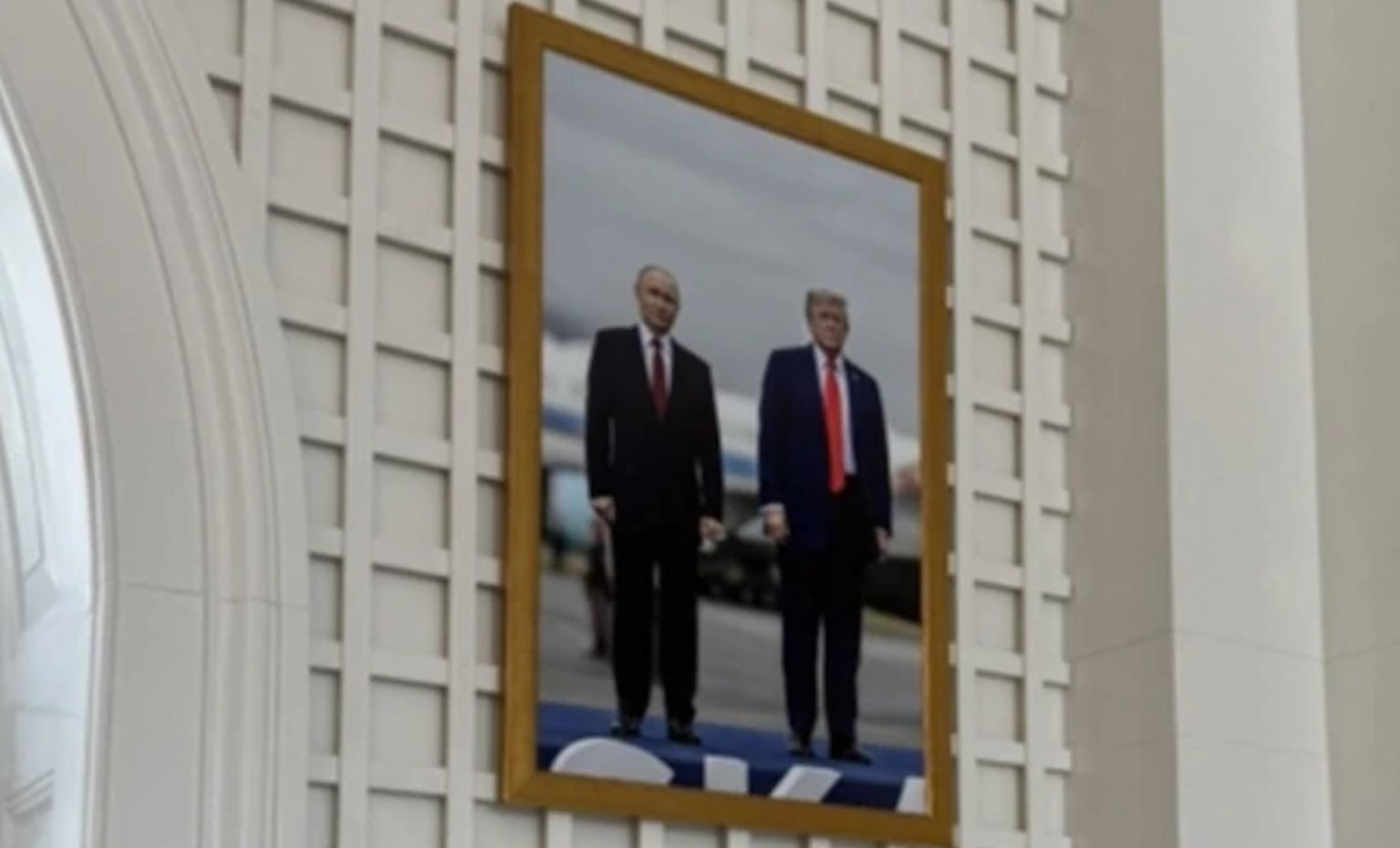
The shift has been building for months. Even when Trump floated sending Tomahawk missiles to Ukraine in late 2025, he simultaneously displayed a framed photo of himself with Putin in the White House, a telling juxtaposition. His affection for the Russian leader has always been visible to those willing to look. Now, it is impossible to ignore.
Zelensky's 'weak' remark triggers Trump's fury
The breaking point came when Zelensky publicly called Trump's decision to halt support for Ukraine's strikes on Russian refineries "weak." Trump, visibly stung, responded with a tirade. He accused Zelensky of "wanting to make problems for the world" and blamed Ukraine for the war's continuation. He even suggested that if he had been president in 2022, the invasion "would have never started."
Trump's anger was not just personal. It reflected a deeper alignment with Putin's worldview. He repeated the Kremlin's claim that Ukraine is the aggressor, that Russia is invincible, and that Ukrainians are exploiting American generosity. He went so far as to say that Ukraine's attacks on Russian refineries were hurting American farmers by driving up diesel prices—a bizarre twist that casts Kyiv as the enemy of US interests.
The most striking moment came when Trump, visibly delighted, thanked Putin for his cooperation. "I wanna take President Putin, to be honest with you," he said, his enthusiasm unmistakable. The contrast with his cold disdain for Zelensky could not be starker.
A useful idiot or an agent of influence?
For years, analysts have debated whether Trump is a "useful idiot" for Putin or something more deliberate. The evidence increasingly points to the latter. Trump's actions—from praising Putin to undermining Ukraine—consistently serve Russian interests. And there is the matter of money. Trump has long sought business deals in Russia, and his administration's policies have done little to discourage such ambitions.
The implications for Europe and the Indo-Pacific are profound. If the United States under Trump cannot be relied upon to counter Russian aggression, then allies must reassess their security assumptions. This is not just a European problem. Japan, South Korea, and other US partners in Asia are watching closely, wondering whether Washington's commitment to their defense is equally conditional.
For Ukraine, the path forward is stark. With the US president openly siding with Putin, Kyiv must look to Europe and other allies for support. The question is whether they are willing and able to fill the void. As Trump's true allegiances become undeniable, the free world faces a moment of truth.
Trump's freedom to be himself is now complete. He no longer needs to lie about his feelings for Putin. The world sees him for what he is: a president who prioritizes his personal affinity for a dictator over the interests of his own country and its allies. The consequences will be felt for years, from the battlefields of Ukraine to the strategic calculations of capitals across Asia.