On May 1, 2026, the United Arab Emirates formally withdrew from the Organization of the Petroleum Exporting Countries, ending a membership that had lasted nearly sixty years. While much commentary has focused on oil prices and Saudi Arabia's burden of market stabilization, the more consequential shift is monetary—and its impact will be felt most acutely across Asia.
For half a century, OPEC has served not just as a production cartel but as the institutional backbone of the petrodollar system. The 1974 understanding between Washington and Riyadh—Gulf oil priced and settled in dollars in exchange for American security guarantees—was operationalized through OPEC's pricing conventions. Membership meant accepting dollar-denominated benchmarks, dollar-recycled surpluses, and dollar-mediated trade with consumers. Any member that experimented with alternative settlement currencies risked friction with both the cartel's coordination mechanisms and its largest external patron. This structural ceiling is why the petroyuan, despite a decade of Chinese institutional investment, has remained largely symbolic.
The UAE has spent eight years quietly building the infrastructure to escape that ceiling. ADNOC listed Murban crude futures on ICE Futures Abu Dhabi in 2020, creating a regional benchmark independent of Brent and WTI. The Emirates joined BRICS in January 2024, gaining access to expanded ruble, rupee, and yuan settlement frameworks. Most significantly, the UAE became a founding partner in Project mBridge, the multi-central-bank digital currency platform piloted under the Bank for International Settlements, enabling real-time cross-border settlement among the central banks of China, Hong Kong, Thailand, the UAE, and, in observer status, Saudi Arabia.
Each of these moves anticipated the same structural problem: as long as the UAE remained inside OPEC, the dollar gravity of cartel pricing made multi-currency oil trade marginal. Bilateral yuan-settled cargoes to Chinese refiners, rupee-settled deals with Indian buyers, and prospective baht- or rupiah-settled arrangements with ASEAN customers all bumped against the institutional reality that OPEC's coordination depended on a unified dollar-denominated price signal. Leaving OPEC removes that ceiling. Murban crude, freed from cartel discipline, can now be priced, contracted, and settled in whatever currency the buyer and seller mutually accept.
Implications for Asia's Energy Importers
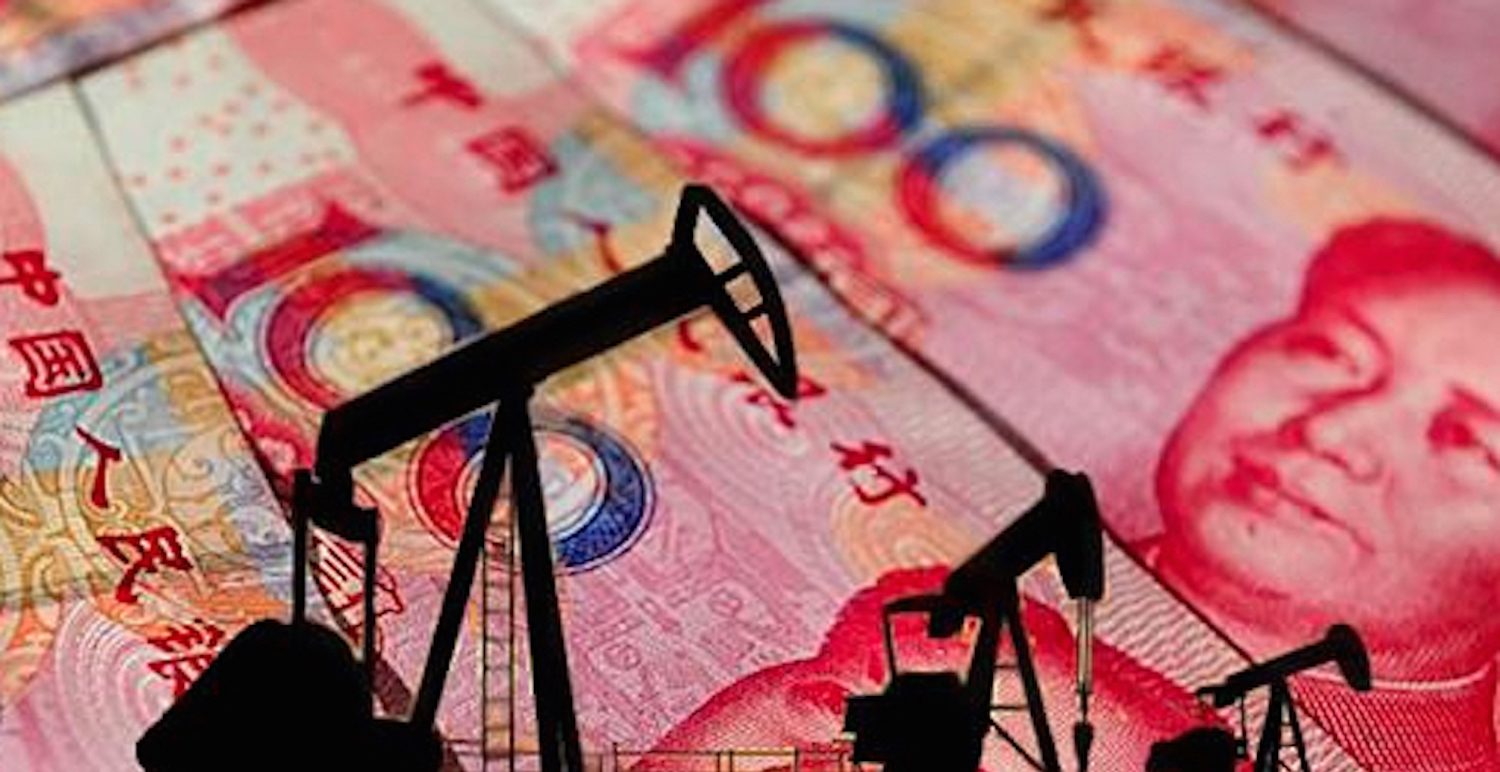
For Beijing, the UAE's exit represents the most significant petroyuan opening since the launch of Shanghai's INE crude oil futures contract in 2018. That contract was designed to internationalize yuan-priced oil trade, but it has long depended on Chinese demand pulling reluctant Gulf supply into yuan settlement. With the UAE no longer bound by quota discipline, Chinese refiners can negotiate volumetric yuan contracts at industrial scale—not as exceptions to dollar pricing but as a parallel architecture. Murban already accounts for a meaningful share of Chinese refinery feedstock, and the trade pattern is now positioned for monetary regularization at exactly the moment when Beijing's CIPS payment infrastructure has reached the throughput necessary to handle it. This development aligns with broader trends in petroyuan's rise being driven by geopolitical crises.
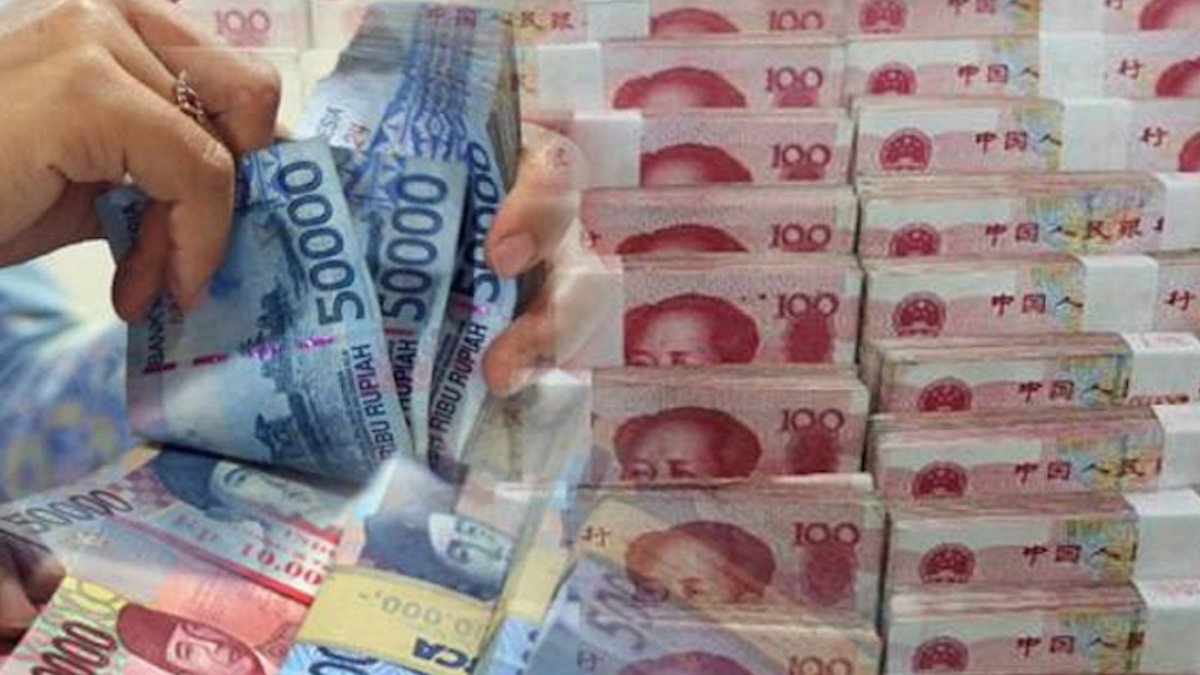
The implications extend across Asia's energy importers. India, which has paid for Russian crude in dirhams and rupees since 2022, gains a Gulf supplier willing to accept rupee-denominated settlement without OPEC-mediated complications. Japan, whose energy security planners have long worried about excessive dollar dependency in its crude basket, gains a yen-settlement counterparty in Abu Dhabi. ASEAN economies—including Indonesia, whose state oil firm Pertamina sources roughly a third of its crude imports from the Middle East—now face a plausible path toward partial local-currency settlement that did not exist under the OPEC framework. For Indonesia, the prospect of partial rupiah-denominated Gulf crude purchases offers structural relief to current account pressure that no domestic policy lever has been able to deliver.
Saudi Arabia will resist this trajectory publicly while preparing for it privately. Crown Prince Mohammed bin Salman's 2022 acknowledgment that yuan-denominated oil sales were under discussion with China was the first signal that even the petrodollar's chief beneficiary recognized the inevitability of partial diversification. With the UAE now setting precedents that Saudi customers will demand parity with, Riyadh's monetary autonomy is structurally narrowing. The petrodollar will not collapse on May 1, 2026, but the institutional reinforcement that has sustained it loses its most flexible Gulf participant precisely as Asian demand consolidates the yuan, rupee, and yen alternatives.
For Asia, this is less a crisis than an inheritance. Energy security has been the region's defining vulnerability for half a century, and that vulnerability has always been doubled by currency exposure: Asian central banks have held trillions in dollar reserves principally to ensure their economies could pay for imported crude. A Gulf where Murban and eventually Arab Light can be settled in yuan, rupees, yen, or won is a Gulf where Asian central banks need fewer dollars to underwrite the same energy security. The implications for regional monetary policy autonomy—for inflation management, for exchange rate flexibility—are profound. As the UAE's exit reshapes Gulf-Asia financial architecture, the speed at which Asian buyers convert this opening into sustained practice will define the next decade of energy trade.