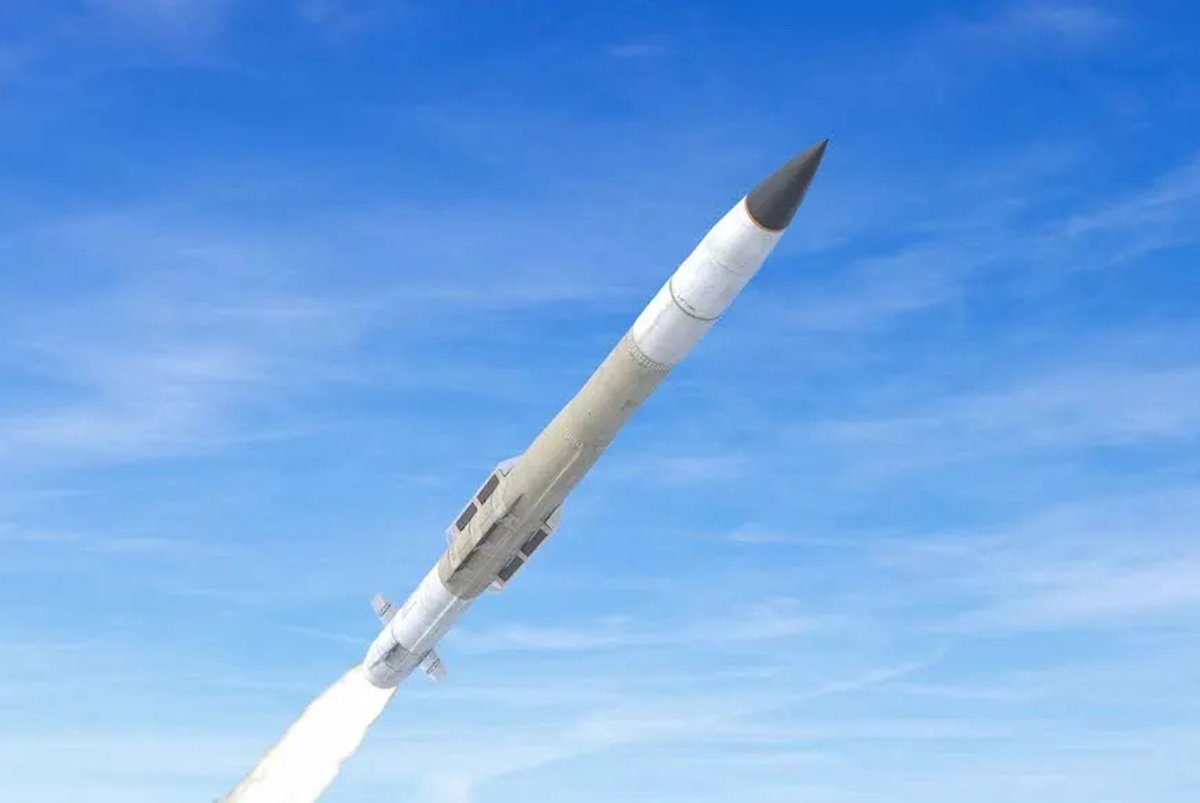
In a series of recent strikes, Ukrainian drones have targeted some of Russia's most critical digital infrastructure. The most significant hit was on Sberbank's data center, the largest in the country, followed by attacks on three facilities owned by Yandex, often dubbed "Russia's Google." The immediate impact was stark: Yandex's traffic plummeted by 94%, and users faced widespread outages across email, search, navigation, music, ride-hailing, and financial services.
Ukrainian President Volodymyr Zelensky claimed the strikes made it "easier to breathe on many social media platforms" by reducing Russian disinformation and bot activity. While subsequent reports have questioned the extent of that effect, the attacks underscore a growing reality: the online world is anchored in physical infrastructure that is increasingly in the crosshairs of modern warfare.
Data centers as military targets
Data centers have traditionally been considered off-limits in conflict, but their strategic importance is changing that calculus. Disrupting these facilities can cripple both military operations and civilian services, potentially slowing Russia's economy and undermining its war effort over the long term. Ukraine's strikes follow a pattern of Russian attacks on Ukrainian data centers and internet providers, and they echo Iran's earlier strikes on Amazon Web Services facilities in the United Arab Emirates and Bahrain in response to US actions.
While data centers typically employ redundancy and backups to mitigate single-point failures, the Iranian attacks demonstrated that such measures are not foolproof. Services suffered long-term degradation, and some data was lost irrecoverably. For Russia, the situation is more precarious. Moscow's pursuit of "digital sovereignty"—a policy championed over the past decade—has limited its ability to maintain backup infrastructure abroad. Laws requiring local data storage, combined with international sanctions following the 2022 invasion of Ukraine, have left Russian data centers with few external safety nets.
Disinformation and the physical layer
Disinformation is often understood as the deliberate spread of falsehoods, and governments typically respond by removing or debunking content. However, influence operations are more nuanced. They often aim to erode public trust and delegitimize democratic institutions, sometimes without resorting to outright lies. In Australia's 2023 referendum on an Indigenous Voice to Parliament, for example, campaigners generated competing narratives to deepen political polarization. In New Zealand, influence operations have involved torrents of misogynistic abuse to derail policy support.
Russia is a known practitioner of such tactics, orchestrating interventions in democratic politics worldwide to sow dissent and distrust. Civil society has developed creative countermeasures, from debunking and prebunking to using humor and memes. But the recent attacks highlight a more direct approach: targeting the physical infrastructure that enables these operations.
Russia's internet services, including its influence operations, depend on a relatively small number of physical sites. With over 100 data centers operating on Russian territory, few have robust backup and resilience plans. Concentrating digital operations in such a limited number of locations creates a clear vulnerability. Once hit, rebuilding is slow and difficult, especially given Russia's reliance on China for advanced semiconductors—a dependency that adds another layer of fragility.
Lessons for democracies
For those seeking to counter Russian disinformation, the strikes offer a potential playbook. Physical or regulatory measures, such as sanctions on Russian-based platforms like Telegram, could be part of the solution. International cooperation to undermine Russia's digital influence capabilities is another avenue, potentially through supporting Ukraine's defense efforts via bilateral security agreements.
The recent events make clear that Russia's digital influence is not ethereal; it rests on tangible assets—data centers, scarce semiconductor supplies, and a domestic platform ecosystem that is increasingly isolated from the global internet. As the Kremlin continues to isolate itself in the name of sovereignty, it is also exposing its own vulnerabilities. The war in Ukraine has already demonstrated the collapse of the post-Cold War order, and now it is revealing the fragility of the digital realm that underpins modern state power.
For democracies, the lesson is twofold: resilience requires redundancy, and influence operations are best countered by targeting their physical foundations. The strikes on Russian data centers may not have silenced all bots, but they have shown that even the most sophisticated digital campaigns can be disrupted with well-placed precision strikes.