The United States has escalated its trade war with China into the biotechnology sector, adding three Shenzhen-based genomics companies to a forced-labor blacklist just weeks before Presidents Donald Trump and Xi Jinping are due to meet in Shenzhen.
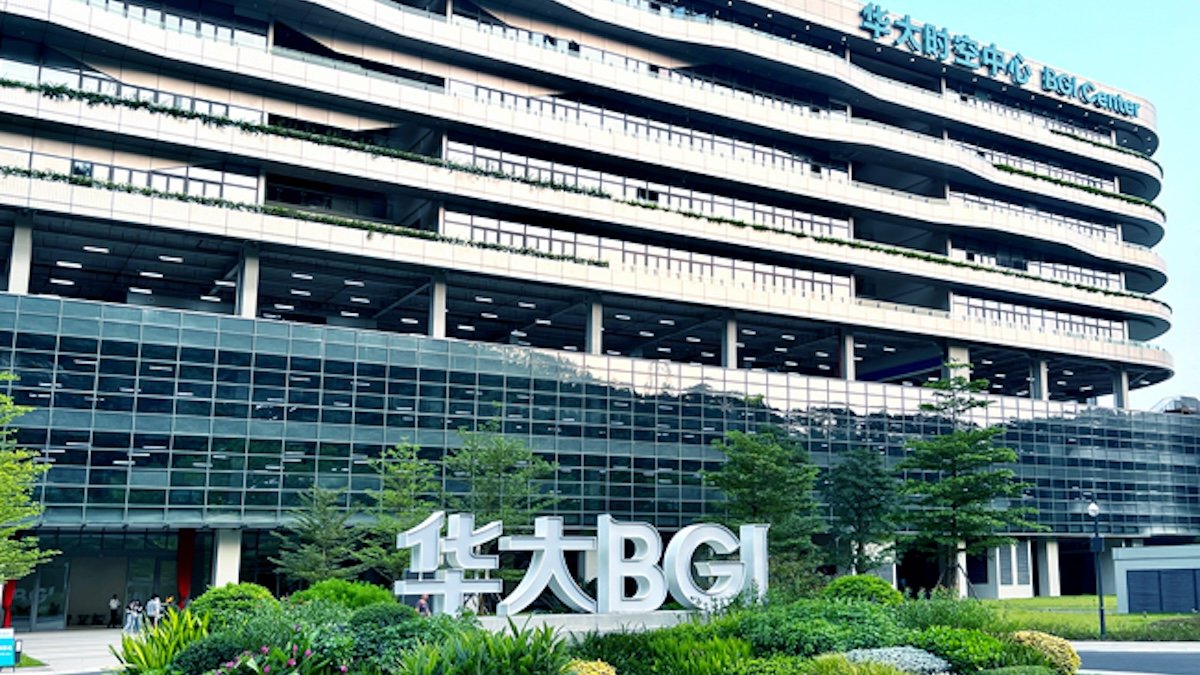
The Department of Homeland Security (DHS) on Wednesday placed BGI Group, its publicly traded gene-testing unit BGI Genomics, and gene-sequencer maker MGI Tech on the Uyghur Forced Labor Prevention Act (UFLPA) Entity List. The move effectively bans all imports of their products into the US, citing allegations that the firms helped build and operate mass surveillance infrastructure in Xinjiang, including genetic data collection targeting ethnic minorities.
DHS Secretary Markwayne Mullin said the action was meant to enforce US law and protect American businesses from unfair competition, though the department did not release its evidence. Under the UFLPA, goods from listed entities are presumed to be tainted by forced labor unless importers can prove otherwise.
Biotech decoupling deepens
The listing goes beyond the Biosecure Act, which was signed into law in December 2025 and restricts federal contracts and grants. The UFLPA ban covers all commercial imports, including gene sequencers, reagents, and other products, taking effect immediately.
John Moolenaar, chairman of the House Select Committee on China, called BGI “China’s state-controlled DNA collection company” and a national security threat. He also urged American pharmaceutical companies to stop clinical trials in Xinjiang over concerns about ethics and data integrity.
BGI Group denied the allegations in a statement on Thursday, saying it is “not involved in any forced labor” and that the listing would not materially affect its business. The company added that its research and partnerships in China and abroad continue normally.
China’s commerce and foreign ministries condemned the move. A MOFCOM spokesperson said the US is “manipulating the issue of ‘human rights’ as a cover for unilateral protectionism and bullying,” and warned it undermines the stability of bilateral economic ties. Foreign Ministry spokesperson Guo Jiakun called the forced-labor claims a “huge lie” spread by anti-China forces.
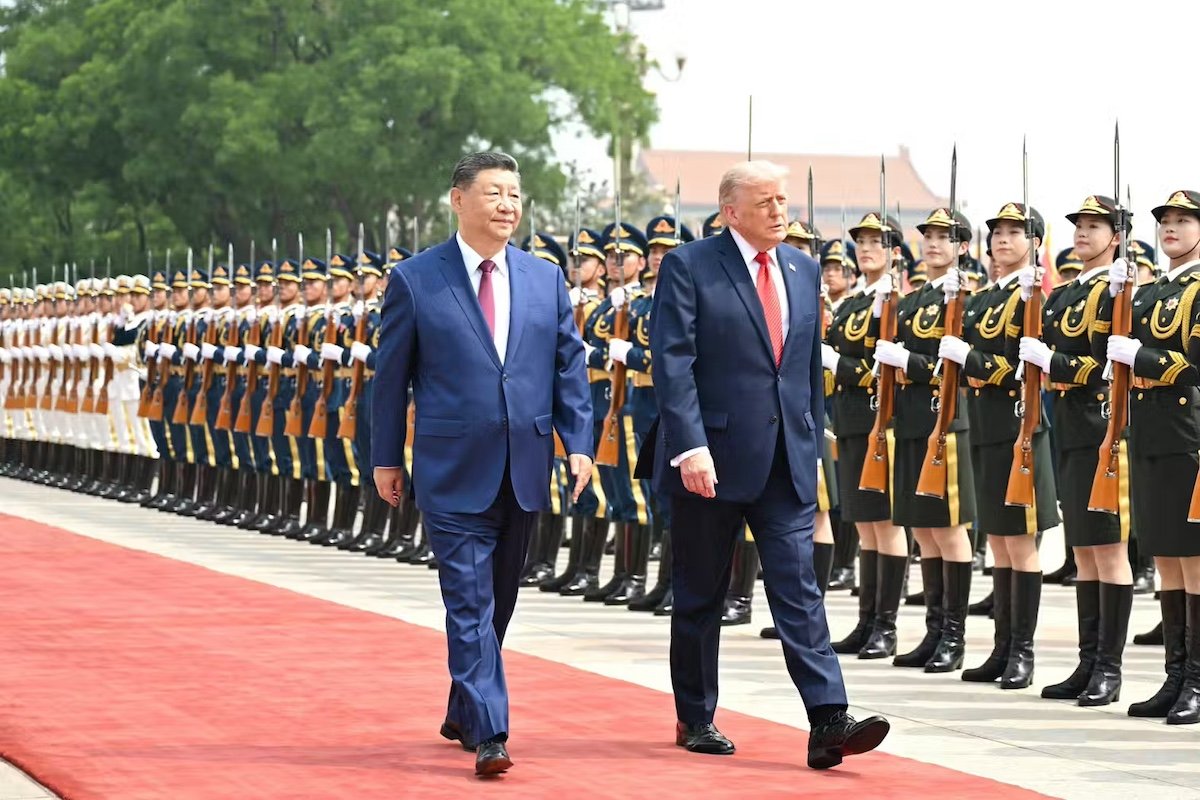
The ban comes as Trump and Xi prepare to hold talks at the APEC leaders’ meeting in Shenzhen on November 18-19. Treasury Secretary Scott Bessent is expected to meet Vice Premier He Lifeng in the city beforehand to lay the groundwork.
Sequencer rivalry turns political
The UFLPA, signed by former President Joe Biden in December 2021, originally targeted labor-intensive goods like cotton, tomatoes, and polysilicon. The list has since expanded, with a 30% jump in August 2026, but this is the first major move against a genomics company.
Gene sequencing had already become a flashpoint. In February 2025, China added US-based Illumina to its unreliable entities list and later banned its exports to China. This week’s US action against BGI is seen by some as retaliation in a long-running patent dispute.
In May 2022, a federal jury ruled that Illumina willfully infringed patents held by Complete Genomics, a BGI subsidiary, and ordered $333.8 million in damages. The companies settled for $325 million in July 2022 and signed a cross-licensing deal.
Chinese commentators note that Illumina spent about $500,000 lobbying on the Biosecure Act in early 2024. The House passed the bill in September of that year, and it was later signed into law.
The move is part of a broader US tech decoupling effort that has extended into biotech. As molecules cross borders but ownership doesn't, the rivalry between Washington and Beijing is reshaping global supply chains in life sciences.