Recent analysis of global influence suggests a significant shift is underway in Southeast Asia. While commentators often frame the United States' diminishing appeal as an inevitable decline, a closer examination reveals a more deliberate process. The US is not merely losing its soft power; it is actively ceding that ground, creating strategic openings that the People's Republic of China is methodically filling.
The Illusion of Inevitable Decline
The 2026 Brand Finance Global Soft Power Index placed the United States as the steepest decliner among 193 nations, with China now trailing by less than 1.5 points. Some observers, like former Obama administration official Richard Stengel, have drawn parallels to post-war Britain's imperial retreat. However, this comparison is flawed. America's core assets—its top-tier universities, the dollar's reserve currency status, and its dominant technology firms—remain robust. These are not the exhausted resources of a fading empire.
History also contradicts a narrative of irreversible decay. US global favorability plummeted after the Iraq war, only to rebound sharply after President Barack Obama's election. The pattern repeated following President Donald Trump's first term, with ratings jumping from 34% to 62% upon President Joe Biden's inauguration. The underlying infrastructure of American influence proved resilient, capable of rapid recovery when political winds shifted.
A Strategic Choice of Withdrawal
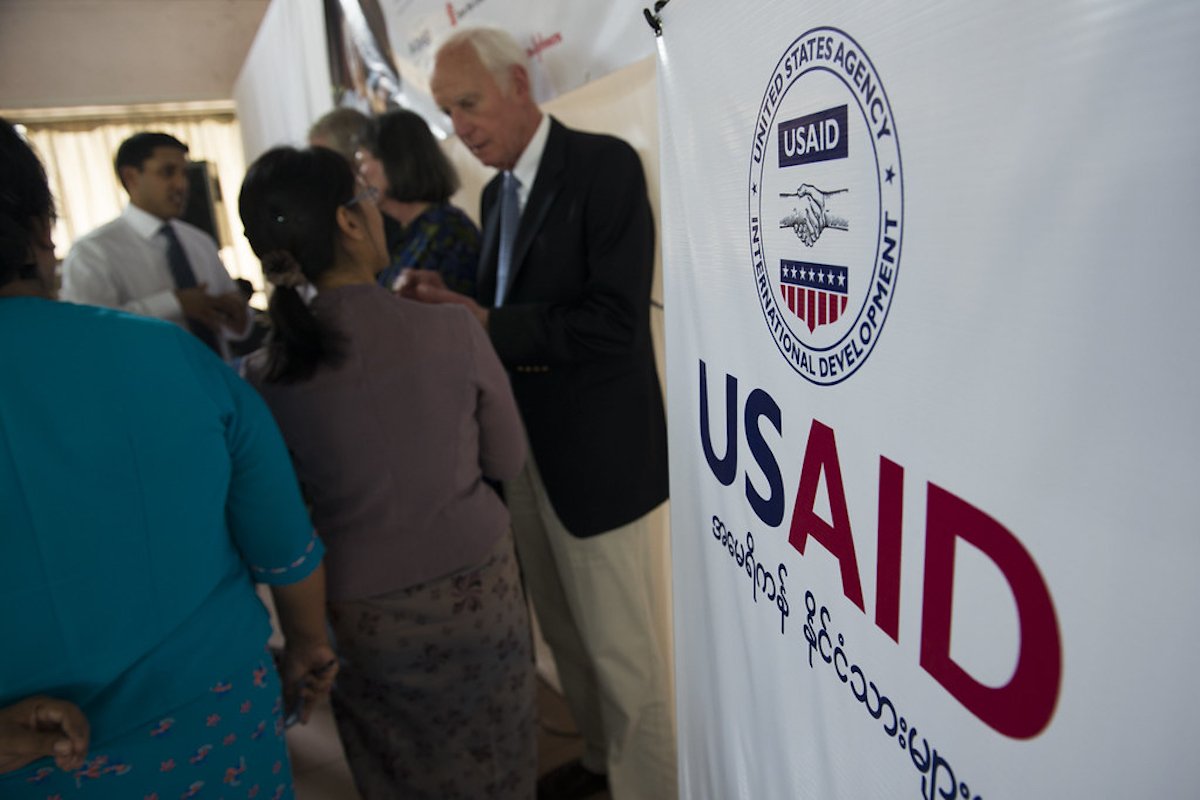
The critical change is not capability, but intent. The current US posture under Trump is characterized not by decline but by strategic indifference. This is evidenced by deliberate policy choices: the gutting of the United States Agency for International Development (USAID), an 80% funding cut to the US Agency for Global Media, and a 17% drop in new international student enrollments. These are not responses to overstretched resources but decisions to withdraw from the very programs that build long-term influence.
Furthermore, the administration is projecting a domestic identity that holds little appeal abroad. The emphasis on Christian nationalism and immigration policies with racial undertones does not resonate in a region as religiously diverse as Southeast Asia, home to the world's largest Muslim-majority nation, Indonesia, and significant Buddhist, Hindu, and Christian populations. The US once offered a pluralist model; it now projects a civilizational preference that fails to build broad coalitions.
The Southeast Asian Crucible
In Southeast Asia, indifference has the same functional outcome as decline. This region is the central arena for strategic competition with China, a fact underscored by Washington's intense focus on the Middle East and Iran's Revolutionary Guards since late February. Historically, US soft power in the region was built on pragmatic foundations, not ideological appeal. It relied on scholarships linking elites to American institutions, development partnerships addressing energy and health security, and military training programs that socialized officers into US doctrine.
Regional preference for the US over China has been driven less by admiration for American democracy and more by anxiety over Chinese assertiveness and a desire for a pragmatic security counterweight. This pragmatism underscores that military access—basing rights, overflight agreements, intelligence sharing—depends on the broader political trust cultivated through decades of diplomatic, cultural, and trade engagement.
China's Methodical Advance
As the US withdraws, Beijing is advancing across multiple fronts. China is building its own version of influence pipelines, having funded officer training in Cambodia and expanded military education exchanges region-wide. Its cultural and economic reach is even more pervasive. Chinese dramas dominate streaming platforms, TikTok shapes how a generation consumes information, and brands like Huawei and BYD are becoming fixtures of daily life. This expansion occurs as China's industrial overcapacity reshapes global trade, further integrating regional economies.
The consequences of this shift are now quantifiable. The ISEAS 2026 survey, released this week, found a majority of Southeast Asian respondents would now choose China over the US if forced to align. Notably, Trump's leadership was cited as the region's top geopolitical concern, ranking above issues like global scam centers and South China Sea tensions.
The strategic irony is profound. The Indo-Pacific Strategy, endorsed by both US political parties, depends on willing partners who choose alignment with Washington. Yet the current administration is dismantling the very soft power tools—exchange programs, development aid, consistent diplomatic engagement—that make such partnerships possible. These channels are quiet and unglamorous but extraordinarily difficult to rebuild once severed.
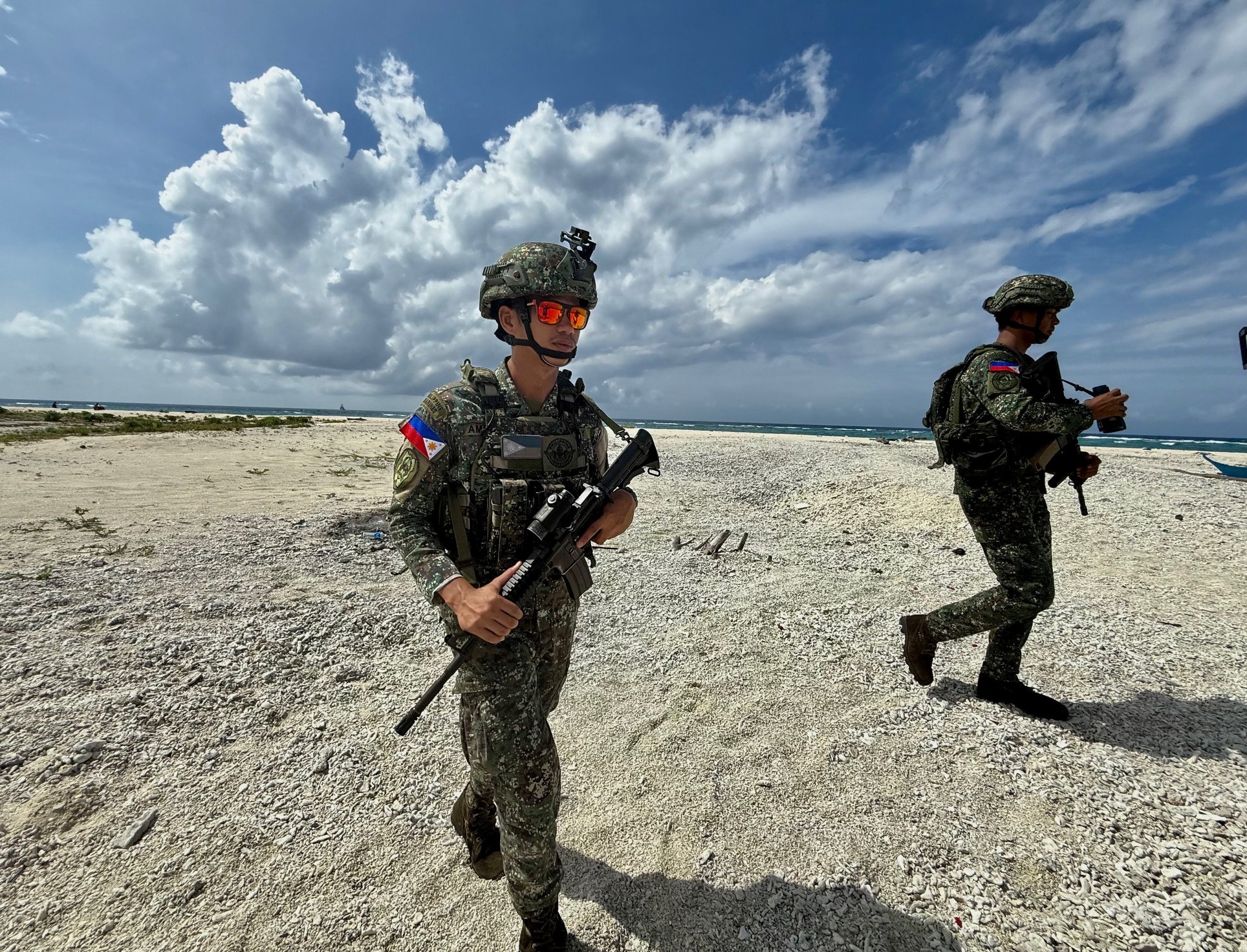
For nations like Indonesia, the Philippines, and Thailand, where the US spent decades cultivating defense relationships through programs like IMET and exercises like Balikatan and Cobra Gold, the erosion of these connections reshapes professional military networks and long-term influence. The region is watching, and its strategic calculus is changing accordingly. The US may retain formidable hard power, but in Southeast Asia, where Indonesia's foreign policy drift exemplifies the balancing act, influence is ultimately granted, not commanded.