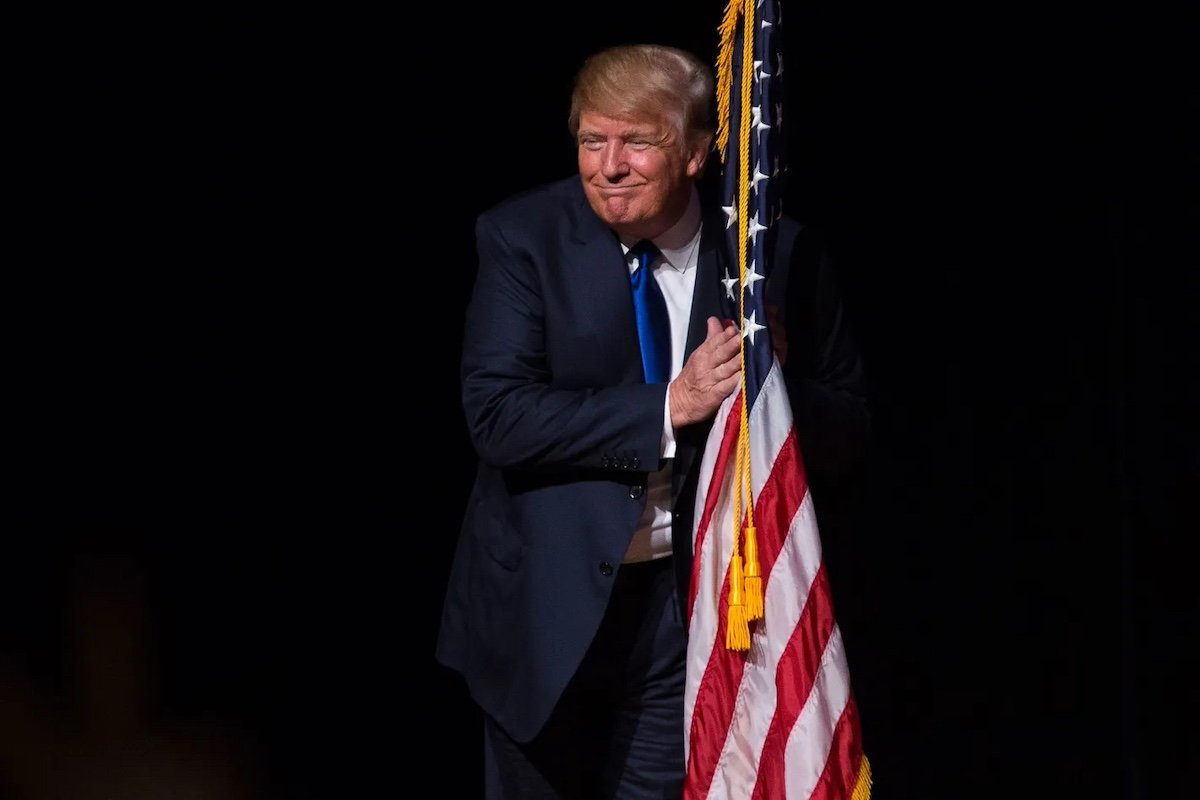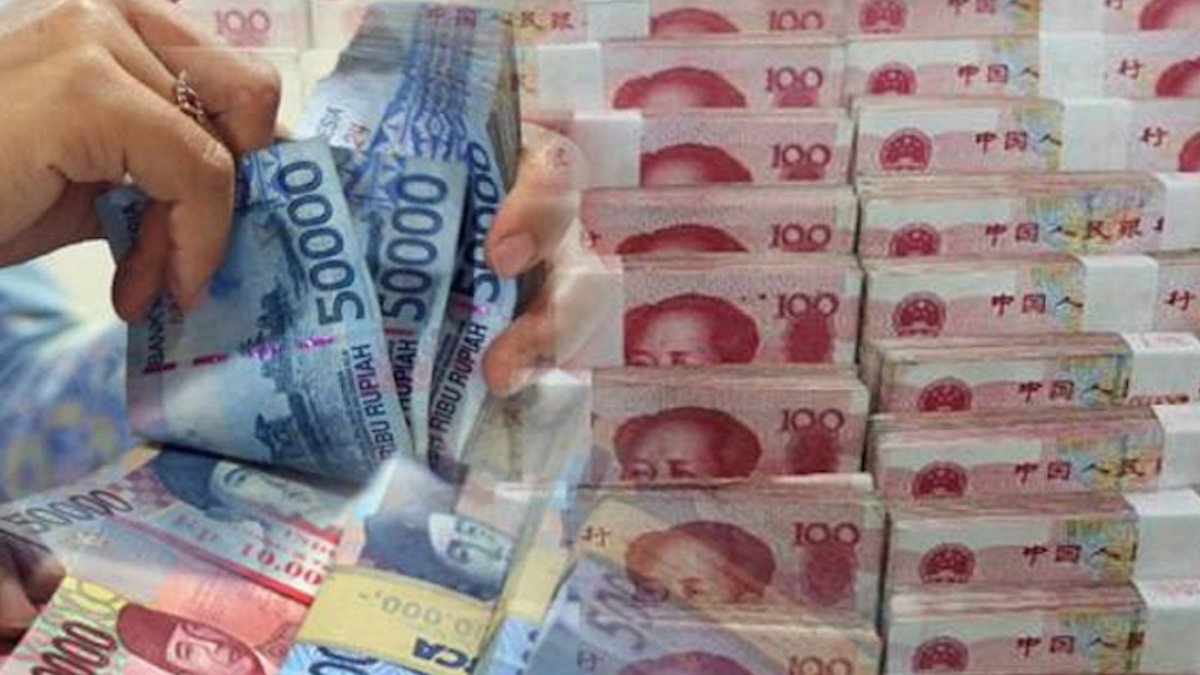
The recent political upheaval in Caracas has underscored a fundamental shift in the global oil landscape, with significant implications for Asia's major energy importers. The core issue is not the volume of Venezuelan crude, which remains marginal in global terms, but the nature of control over its exports. Through sanctions policy, export licensing, and authority over shipping and financial channels, the United States now exercises decisive gatekeeping power over Venezuela's oil sector.
From Autonomous Supply to Conditional Access
For decades, Venezuela held a specific place in Asian energy planning. It offered geographic diversification away from the Middle East and supply relationships that operated largely outside US-centric governance. Countries like China and India valued this independence, tolerating high political risk in Caracas because it expanded their options during potential crises elsewhere.
That strategic quality is now diminished. Once exports are mediated by US policy, Venezuelan oil ceases to function as an autonomous component of an Asian import portfolio. It becomes conditional supply, where access is determined not solely by commercial negotiation but by regulatory permission and diplomatic context. From an energy security perspective, this represents a material downgrade.
China's extensive exposure highlights the consequences. Over two decades, Chinese policy banks and state-owned giants like CNPC and Sinopec committed tens of billions through oil-linked loans and upstream ventures. These arrangements were premised on long-term engagement securing long-term access. In practice, production shortfalls and governance failures had already eroded that logic. What US influence adds is a new layer of uncertainty. Contractual rights now sit beneath a regulatory structure shaped in Washington, not Beijing. Access can be constrained for reasons unrelated to operational performance, transforming Venezuelan exposure into a risk to be contained.
India's Pragmatic Calculus Shifts
India's experience differs in form but aligns in outcome. Indian refiners, such as Reliance Industries and Nayara Energy, have been pragmatic buyers of Venezuelan heavy crude when economics and compliance allowed. At its peak, Venezuela was a significant supplier to India's complex refining system. However, sanctions risk and policy uncertainty have sharply reduced those flows. Recent US measures have reinforced that trend.
Under a US-shaped framework, Venezuelan supply becomes less flexible. While pricing may gain transparency, optionality declines. For Indian buyers focused on reliability, this makes Venezuelan crude less competitive than alternatives from regions where access is not filtered through an external power. This dynamic echoes broader regional concerns about supply chain sovereignty, as seen in other contexts like the US-Iran stalemate in the Strait of Hormuz.
The broader implication concerns the very principle of diversification. Asian energy strategy has long rested on spreading supply across regions and political systems to reduce vulnerability. Venezuela once supported that goal because it operated outside dominant alliances. When that independence disappears, so does the diversification benefit. Venezuelan oil no longer reduces concentration risk; it potentially increases exposure to a single policy center in Washington.
This distinction isn't immediately visible in market data. Venezuela's output, now around one million barrels per day, is too small to move global balances decisively. But energy policy is shaped by tail risks—planners must ask who controls access during diplomatic breakdowns or sanctions escalation. The lessons from Caracas are being studied in capitals from New Delhi to Tokyo.
Broader Lessons for Asian Capital
These observations extend beyond Venezuela. Asian governments and firms are watching how quickly control over strategic assets can shift, how contracts are treated during political transitions, and how decisively foreign policy overrides commercial logic. Those lessons will shape future investment decisions across Latin America, Africa, and other resource-rich regions. Resource abundance without institutional durability now carries a higher discount.
There is a capital allocation signal embedded in this shift. A US-influenced Venezuelan oil sector may, over time, operate with clearer rules and improved operational discipline. However, it also removes the informal flexibility that once underpinned Asian engagement, including bespoke financing and politically negotiated supply terms. For Asian state capital and commercial investors alike, the return profile becomes less distinctive while constraints multiply.
The irony is pronounced. Venezuela still holds the world's largest proven oil reserves. Asia remains the center of global demand growth. In purely economic terms, the relationship should be central. In strategic terms, it has become peripheral, a transformation that reflects wider geopolitical realignments affecting Asian interests globally. This recalibration of strategic assets mirrors other reassessments underway, such as the way global institutions are examining state-led growth models amid China's rise.
For policymakers in Beijing, New Delhi, and Seoul, the message is clear: energy security built on diversification requires partners whose sovereignty over resources remains intact. When that sovereignty is compromised, the strategic calculation must change accordingly.