Taipei has long understood that the United States is its most consequential foreign partner, and that American backing is not guaranteed. Memories of 1949, when Washington abruptly ended support for Chiang Kai-shek's government as it fled to Taiwan after losing the Chinese civil war, still rankle. That decision followed nearly a decade of close cooperation during World War II, when Chiang's forces were a key ally against Japan, and later support against Mao Zedong's communists. The cutoff left Chiang exposed to an expected communist assault, until the Korean War in June 1950 reversed US policy and made Taiwan a linchpin of Cold War containment against Soviet-backed China.
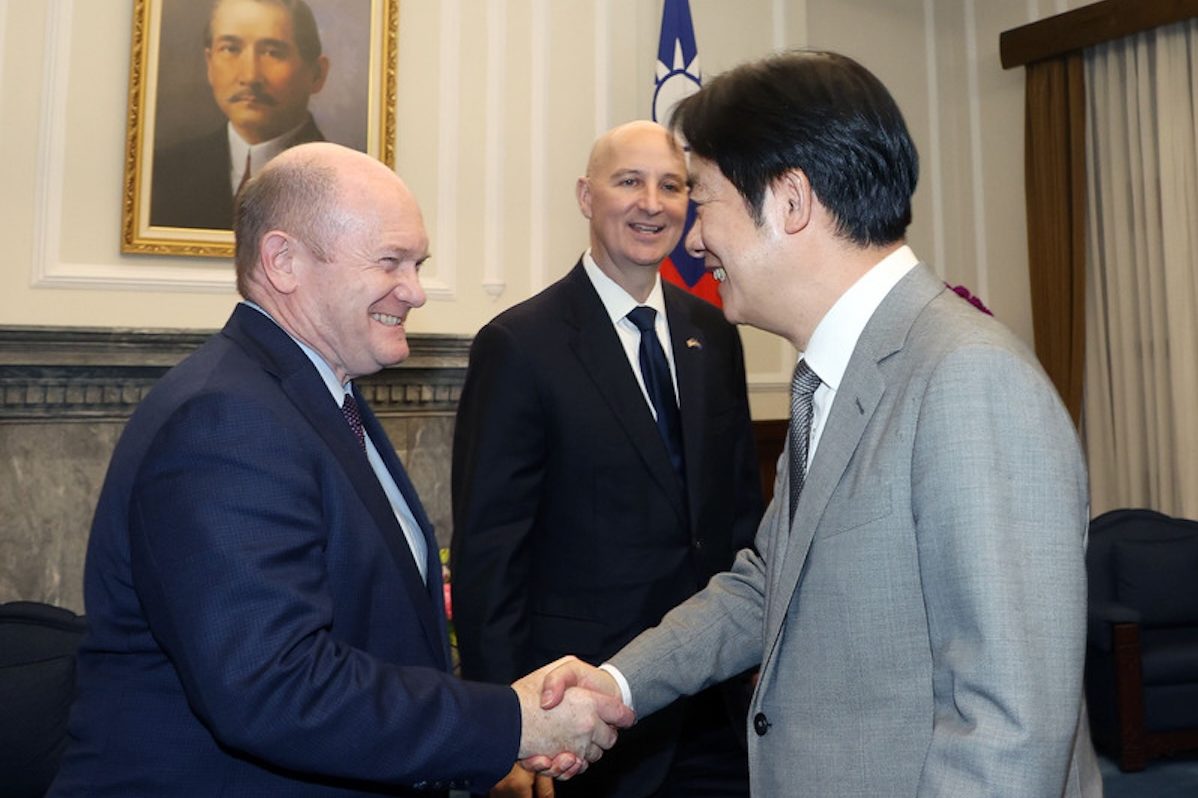
But Washington shifted again in the 1970s, ending official relations and the mutual defense treaty with Taiwan—through no fault of Taipei—as part of normalizing ties with Beijing. Since then, Taiwan has relied heavily on US domestic politics, particularly Congress, to sustain its international standing. The island's representative office in Washington and its 13 consular posts across the United States prioritize cultivating congressional support.
Over the past nine years, Taiwan has watched with satisfaction as US engagement with China collapsed and a bipartisan consensus hardened against Beijing's coercive tactics. This has translated into increased military, economic, and diplomatic backing for Taipei. Congress has been the driving force behind this shift, often more consistent and resolute than the president. Even the Biden administration, initially dismissive of Chinese threats, joined the congressional majority after receiving intelligence briefings, forming what is now called the Washington Consensus.
Midterm outcomes: a mixed but favorable picture
The November midterm elections have, on balance, strengthened Taiwan's hand. On one hand, several pro-Taiwan incumbents lost their seats, replaced by newcomers with limited familiarity with the island. Some incoming Democrats are populists who favor reducing US commitments abroad, echoing a small but vocal Republican faction that advocates international disengagement.
On the other hand, the elections have further constrained President Trump's efforts to accommodate Chinese leader Xi Jinping. Trump has held summit meetings with Xi in October 2025 and in May, September, and November 2026, with another planned at the G20 in Miami in December. These meetings have come at Taiwan's expense: Trump has dismissed Taiwan's concerns and withheld $14 billion in arms sales for over a year, using them as bargaining chips in potential deals with China. He has also floated a “G2” arrangement with Beijing, which could allow China to dominate regional affairs at Taiwan's cost.
As I wrote in July, Trump was unlikely to sacrifice Taiwan outright because congressional Republicans would join Democrats in opposing such a move, further damaging his domestic standing after the Iran war failure. Xi's assertive posture also made it unlikely that China would offer concessions that would make Trump look like a winner after abandoning Taiwan.
The election results reinforce these constraints. Republicans, led by Vice-President JD Vance, are increasingly distancing themselves from Trump's controversial policies. Democrats, now under Senate Majority Leader Charles Schumer—a longtime China hawk—would vigorously oppose any deal that sacrifices Taiwan. Schumer's decades of opposition to Beijing make him a formidable check on Trump's deal-making.
While Taiwan worries about the inexperience of new lawmakers, this is offset by the likely leaders of key congressional committees, who are critical of China and committed to working with allies and partners, including Taiwan. The midterms have thus reduced the risk of a US-China bargain at Taiwan's expense, even as the new Congress will need time to build familiarity with the island's complex situation.
For Taipei, the immediate outlook is cautiously positive. The bipartisan consensus on China remains strong, and the election has weakened the president's ability to pursue unilateral accommodation. As Seoul has found new allies in Congress, Taiwan too can expect a more supportive legislative environment. However, the long-term challenge of educating a new generation of lawmakers about Taiwan's importance remains.
In the meantime, Taiwan continues to navigate its delicate position, balancing its reliance on US support with the realities of a rising China. The midterms have provided a measure of reassurance, but the island knows that American politics can shift again, as history has shown.