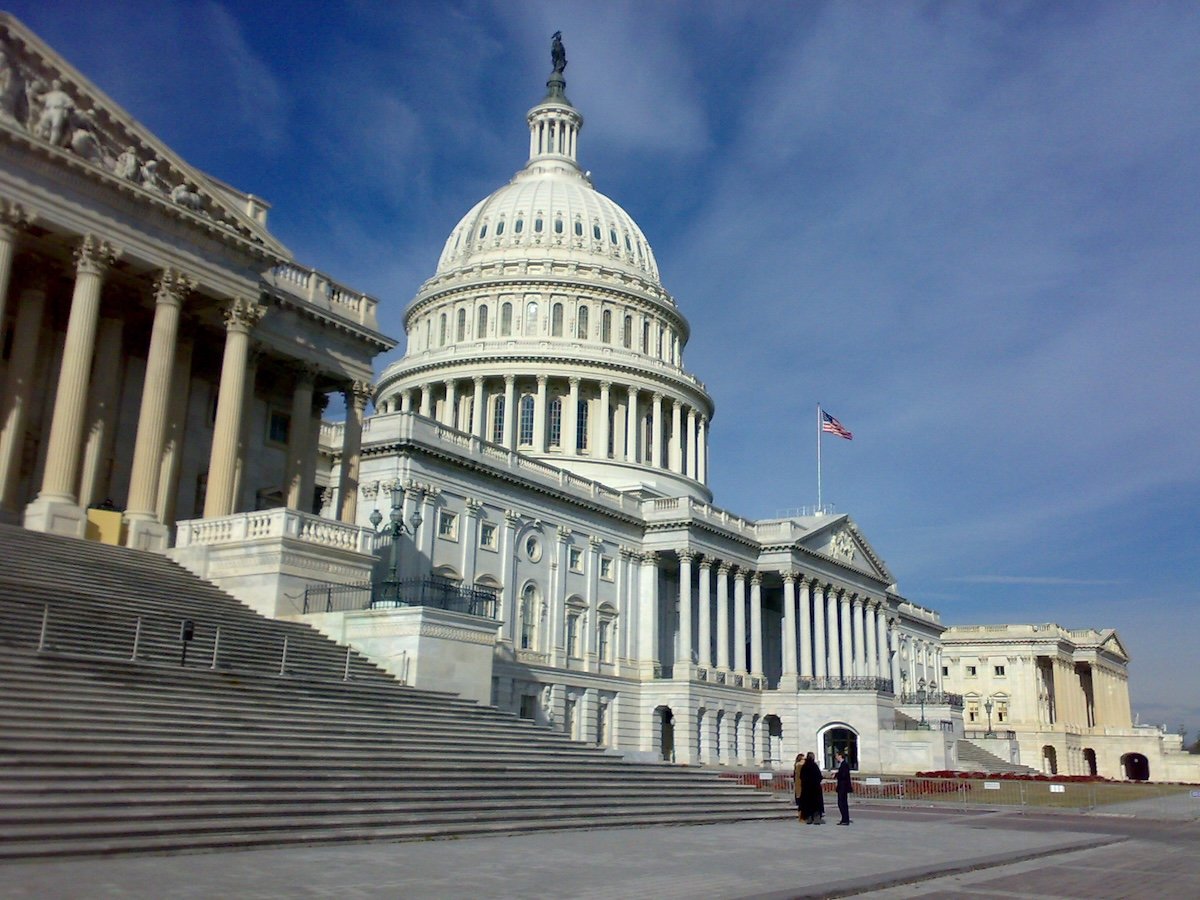
The 2026 US midterm elections delivered a sweeping Democratic victory, putting both chambers of Congress in opposition hands and reshaping the political landscape for the US-South Korea alliance. With Democrats set to control the House and Senate from 2027, lawmakers are poised to defend the alliance's core structure, but the president's constitutional powers mean the White House will still set the tone for how the alliance operates day to day. For Seoul, the window to influence Capitol Hill is now—before positions harden.
The Democratic wave was the largest since 1974. The party flipped Senate seats in Alaska, Iowa, Kansas, Maine, Mississippi, North Carolina, Ohio, South Carolina, and Texas, securing a 56-seat majority. In the House, they gained more than forty seats and now hold a majority of governorships. Voters cited corruption, the cost of living, and the Iran war as their top concerns, with high fuel prices a direct consequence of the conflict. The 2028 election cycle began immediately, with Vice President JD Vance blaming the Iran war for the Republican losses.
Democrats now wield the power of the purse, committee gavels, subpoena authority, and control of the legislative calendar. They can also block confirmations. Yet they lack a veto-proof majority, meaning that reclaiming trade authority or other powers long delegated to the executive will require two-thirds support in both chambers—a high bar. The most likely scenario for the next two years is legislative paralysis: Congress passes bills the president vetoes, issues subpoenas the administration ignores, and attempts to overturn executive orders through the Congressional Review Act. Lawsuits will abound, and many Senate-confirmed positions will remain vacant, leaving acting officials with limited authority.
Traditionally, lame-duck presidents turn to foreign policy, where they face fewer constraints. President Trump is expected to do the same, but he will be shadowed by hearings on tariffs, Pentagon contracting, and corruption related to corporate and sovereign deals. These investigations may slow the administration's moves.
New faces, new priorities
The alliance's congressional champions are changing. Republican stalwarts like Susan Collins (R-ME), Thom Tillis (R-NC), John Cornyn (R-TX), Lindsey Graham (R-SC), and Mitch McConnell (R-KY) in the Senate, and Michael McCaul (R-TX) and Ann Wagner (R-MO) in the House, are departing, taking with them much of the GOP's institutional memory on Korea. Leadership passes to Democrats: Chris Coons (D-DE) at the Senate Foreign Relations Committee, Gregory Meeks (D-NY) at the House Foreign Affairs Committee, and Adam Smith (D-WA) at the House Armed Services Committee. All three have supported the alliance and have questioned cuts to joint exercises.
The new Congress will defend troop levels and extended deterrence. It will press harder on conditions for transferring wartime operational control (OPCON), which the administration views as a burden-shifting measure. Nuclear-powered submarines and a revised 123 agreement require congressional approval, and Democratic senators have already expressed skepticism about fuel supply, enrichment, and construction locations. If Secretary of Defense Pete Hegseth leaves, a Democratic Senate may delay confirming a successor, leaving acting officials to manage the OPCON decision.
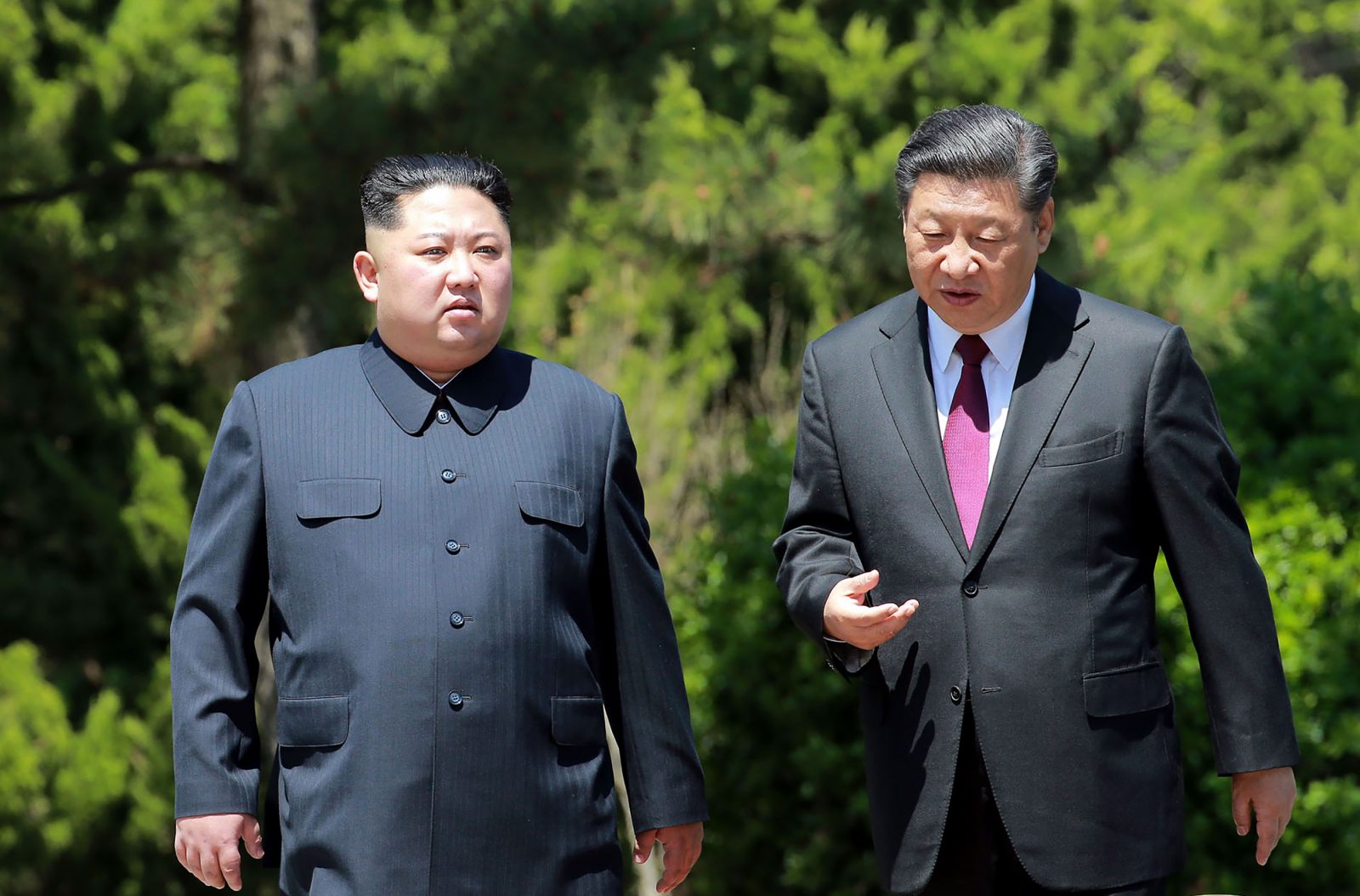
Congress cannot stop a summit with Kim Jong Un. The Hanoi summit and the DMZ meeting both came after the 2018 wave, and a president seeking a legacy may try again. The risk for South Korea remains a deal negotiated without a seat at the table.
On trade, the architecture is likely to hold, but political costs will rise. Democrats will hold hearings on whether Section 232 and 301 tariffs served their statutory purposes, yet South Korea's 15 percent rate will stay where Trump puts it. The $350 billion investment framework will face questions about how it was negotiated, while both parties will want plants and jobs in their districts.
With Jamie Raskin (D-MD) replacing Jim Jordan (R-OH) as chair of the House Judiciary Committee, the panel that accused South Korea of discrimination over Coupang in July may now treat the issue as an anticorruption inquiry rather than a trade complaint. The midterm backlash against data centers also touches South Korea closely, given its memory and battery investments depend on American buildout; voters approved 40 of 41 local measures restricting data centers.
For Seoul, three observations stand out. First, Congress will protect the alliance but will raise new questions. Nuclear-powered submarines, enrichment and reprocessing rights, and an early OPCON transfer date will meet harder questions, more conditions, and longer timelines. Second, the larger risks to the alliance still sit in the White House, where Congress has little reach. Trump can still make unilateral moves on North Korea or trade that Congress cannot easily undo. Third, the new Democratic leadership offers an opportunity for Seoul to build relationships early, before positions harden. Engaging now on the substance of alliance issues—from deterrence to supply chains—could yield dividends in the years ahead.
As the Iran war reshapes Trump's Asia calculus, and with alliance expertise hollowed out in the executive branch, Congress is set to become a more important arena for Korea policy. The Democratic sweep may also signal a broader shift in US foreign policy priorities, with implications for the entire Indo-Pacific. Seoul would be wise to treat Capitol Hill as a strategic partner, not just a spectator.