Alarm is spreading in Seoul and among American Korea specialists about the health of the US-South Korea alliance. The relationship has weathered worse crises, notably in the 1970s, but then it was sustained by seasoned diplomats on both sides. Today, the American side is critically short of such expertise.
Economic friction is mounting. There is no agreement on how to select projects that would fulfill Seoul's pledge to invest $350 billion in the United States, including the proposed Alaska liquefied natural gas pipeline. US investors and lawmakers have also complained about South Korea's handling of the Coupang data breach, adding to bilateral tension.
Security ties are equally strained. Disputes persist over the timing of the transfer of wartime operational control (OPCON), South Korea's ambition to build nuclear-powered submarines, and coordination on North Korea policy. Even routine matters, such as visa issuance for ruling party legislators, have become points of contention.
“Communication between the two countries is not just strained but entirely severed,” wrote the conservative Chosun Ilbo in a recent editorial. South Korean Ambassador to the United States Kang Kyung-wha has voiced frustration over the lack of senior-level dialogue. The newspaper also criticizes Seoul, asking what efforts the government is making to improve relations.
Historical parallels
Korean and American interests have often diverged. Syngman Rhee, South Korea's first president, opposed the armistice that ended the Korean War, accepting it only in exchange for the Mutual Defense Treaty. Park Chung Hee, who seized power in 1961, was a fierce nationalist and, according to a close aide, uncomfortable with Americans. The two countries clashed over North Korea policy, economic goals, human rights, and democracy.
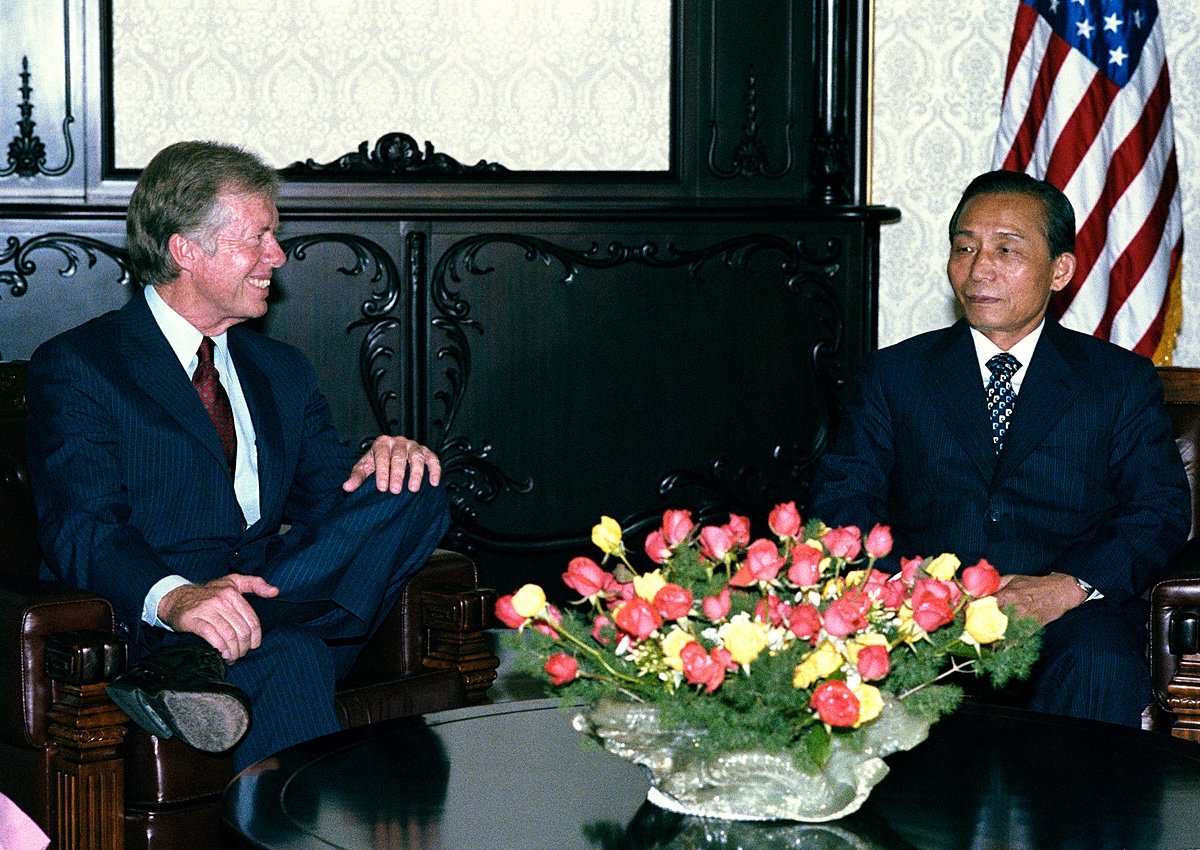
The 1970s were perhaps the alliance's most trying period, resembling today in several ways. South Koreans then doubted the alliance's durability, influenced by the Vietnam War and Washington's unilateral decision to withdraw one of its two infantry divisions from the peninsula. Park faced US pressure over his domestic crackdowns, including martial law in 1972 and constitutional changes.
Fearing abandonment, Park made contradictory moves. He reached out to North Korean leader Kim Il Sung, who worried about Chinese backing after Beijing's opening to Washington. Their high-level talks in 1972 were short-lived. Park also launched a secret nuclear weapons program in 1971, aimed at preparing for a US retreat. The program's seriousness was only revealed in late 1974, when a young CIA officer provided proof to a skeptical Washington establishment.
During much of this period, the late American diplomat Richard L. Sneider served as US ambassador to South Korea. He told The Wall Street Journal before his 1978 departure that it was as “arduous a period as any alliance relationship has had in recent history.” In researching a forthcoming book, I was struck by how current issues revisit the past. In spring 1975, Sneider sent a top-secret cable urging a review of the alliance, writing that Korea was “no longer a client state” but “well on its way to middle power status with ambitions for full self-reliance including its own nuclear potential.”
Sneider recommended a new partnership akin to US alliances with NATO and Japan, and pushed for quiet but tough diplomacy to dissuade Park from the nuclear path. That campaign eventually succeeded, but not before Sneider warned Park that the entire security alliance was at risk.
The alliance faced other strains. In 1976, North Korean soldiers killed two American officers in the infamous tree-cutting incident in the DMZ. Park and US Forces Korea Commander Joseph Stilwell considered retaliation that could have escalated into a broader conflict. Diplomacy and restraint, including Sneider's voice, prevailed. Then came President Jimmy Carter's plan to withdraw all US forces from the peninsula, driven partly by human rights concerns. That plan was opposed by the national security establishment and Congress, and largely abandoned.
The alliance hit a low point in 1980 with the Gwangju Uprising, when hundreds of South Korean civilians were killed by troops deployed with alleged US acquiescence.
The importance of leadership
The alliance's long-term success depends on shared values and interests, but also on the skills of alliance managers—diplomats, military officers, and intelligence officers who keep channels open. South Korea still has experienced managers, including National Security Director Wi Sung-lac and Foreign Minister Cho Hyun. On the American side, however, the State Department and National Security Council have been stripped of senior hands, with possibly thousands of Foreign Service Officers gone.
As Seoul weighs its missile defense options, the lack of experienced American diplomats is a serious liability. The alliance has survived before because of such people; without them, the current strain could become a lasting rupture.