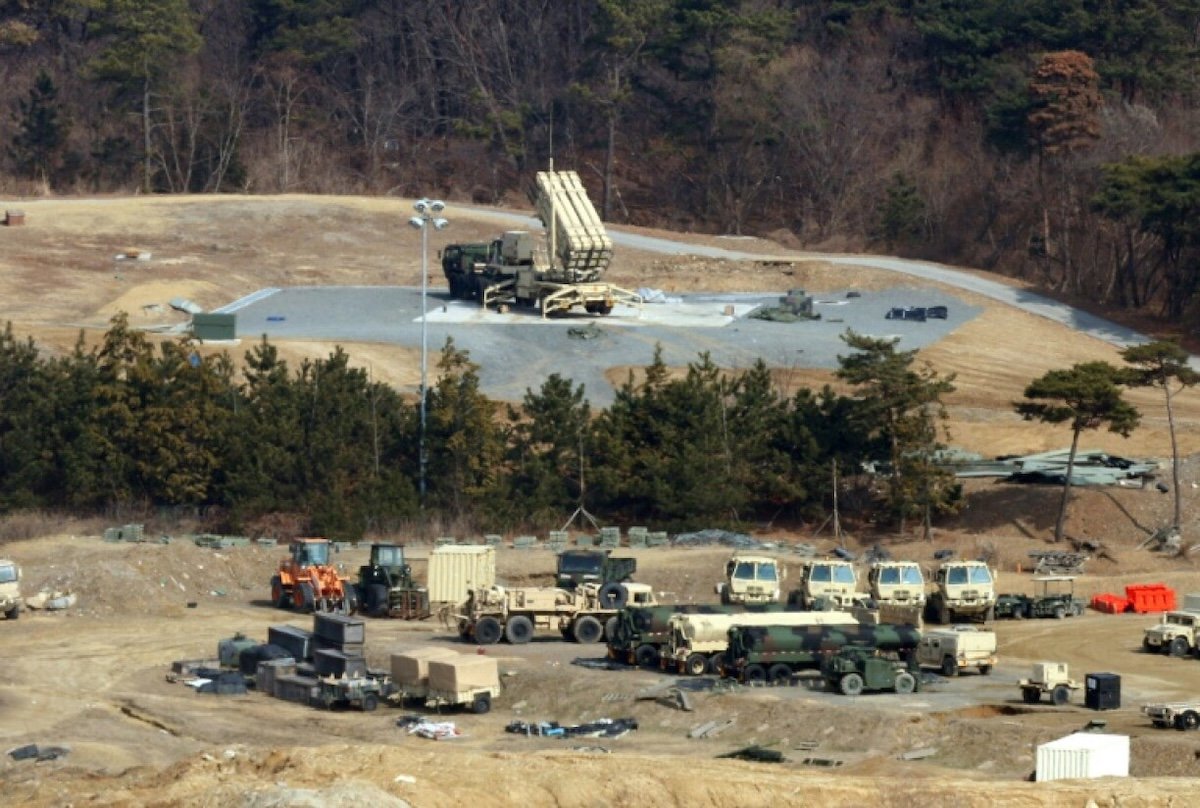
The strategic balance in Northeast Asia is shifting, and South Korea's air and missile defense posture is no longer adequate. For decades, Seoul has leaned on the assumption that American military power would guarantee its security against North Korean aggression. That assumption is now eroding, and the consequences are too significant to ignore.
North Korea continues to expand and diversify its missile arsenal, while China develops ever more sophisticated strike systems. At the same time, political friction between Washington and Seoul—over China policy, regional missile defense cooperation, and intelligence sharing—has injected new uncertainty into the alliance. South Korea's long-standing reluctance to join a US-led regional missile defense architecture has only complicated coordination.
Seoul can no longer treat missile defense as a secondary concern. It must prepare for a future in which American support is neither unlimited nor unconditional. That means building its own interceptors, radars, and production capacity, and ensuring its military installations and critical infrastructure can survive even when US forces are stretched thin by other commitments.
The American shield: tested, but not sufficient
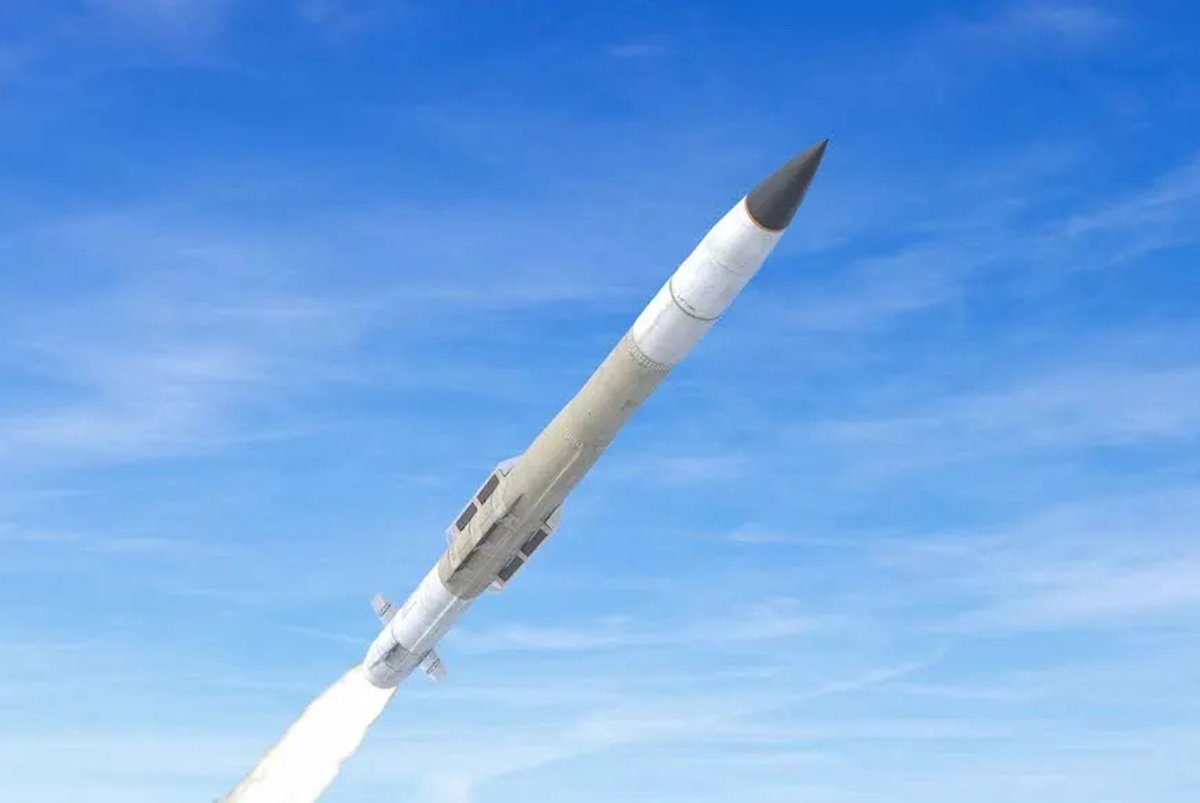
South Korea's current missile defense architecture is heavily dependent on American technology and deployments. The US-operated Terminal High Altitude Area Defense (THAAD) battery provides high-altitude interception, while Patriot PAC-2 and PAC-3 systems cover lower altitudes around key bases. US Navy Aegis destroyers and Standard Missile interceptors add another layer, backed by an extensive early-warning network of satellites and AN/TPY-2 radars.
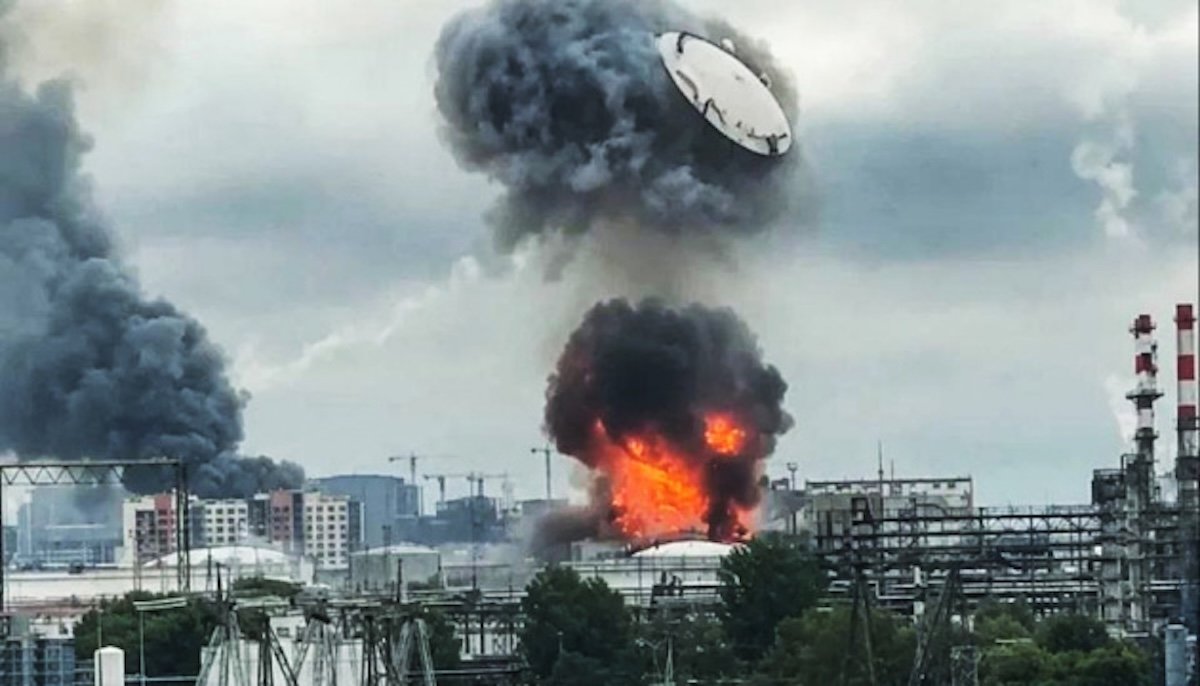
On paper, this looks formidable. But the 2026 Iran war exposed serious weaknesses in the broader American missile defense system. Iranian attacks showed that some missiles can penetrate defenses, reach their targets, and cause casualties and infrastructure damage. Interceptor stocks ran low—a July 2026 CSIS assessment put Patriot inventories below 1,000 and THAAD stocks significantly depleted—and replenishing such specialized weapons takes time.
Perhaps most troubling, the war demonstrated that radars are a critical vulnerability. Iranian strikes damaged radar and air defense infrastructure in the Gulf, including THAAD-associated systems. An adversary doesn't need to destroy every interceptor; disrupting sensors and communications can cripple an entire network. And in 2026, the US diverted THAAD interceptors from South Korea to the Middle East, a stark reminder that American assets are not guaranteed to stay in place.
For Seoul, the lesson is clear: dependence on American systems is not a strategy. South Korea needs its own interceptors, its own production lines, its own radar networks, and the ability to operate independently when necessary.
The expanding threat from North Korea and China
The most immediate threat remains North Korea. Pyongyang has invested heavily in a diversified missile force—short-range ballistic missiles, intermediate-range systems, intercontinental ballistic missiles, cruise missiles, and increasingly capable solid-fuel technologies. The KN-23 and KN-24 short-range missiles are maneuverable and flexible, complicating interception. The KN-25 multiple-launch rocket system blurs the line between artillery and missile warfare.
Solid-fuel missiles are particularly concerning. They require less launch preparation, are more mobile, and give defenders less warning time. The Hwasong-18 and subsequent solid-fuel ICBMs extend this threat to the US homeland, but for South Korea, the immediate danger is the sheer volume and variety of missiles that can strike its territory.
China's missile modernization adds another layer. Beijing's growing arsenal of conventional and nuclear-capable systems, including hypersonic glide vehicles, poses challenges that South Korea's current defenses are not designed to meet. As China's new missile shield rewrites Indo-Pacific escalation math, Seoul must consider how to defend against a potential adversary with far greater resources than North Korea.
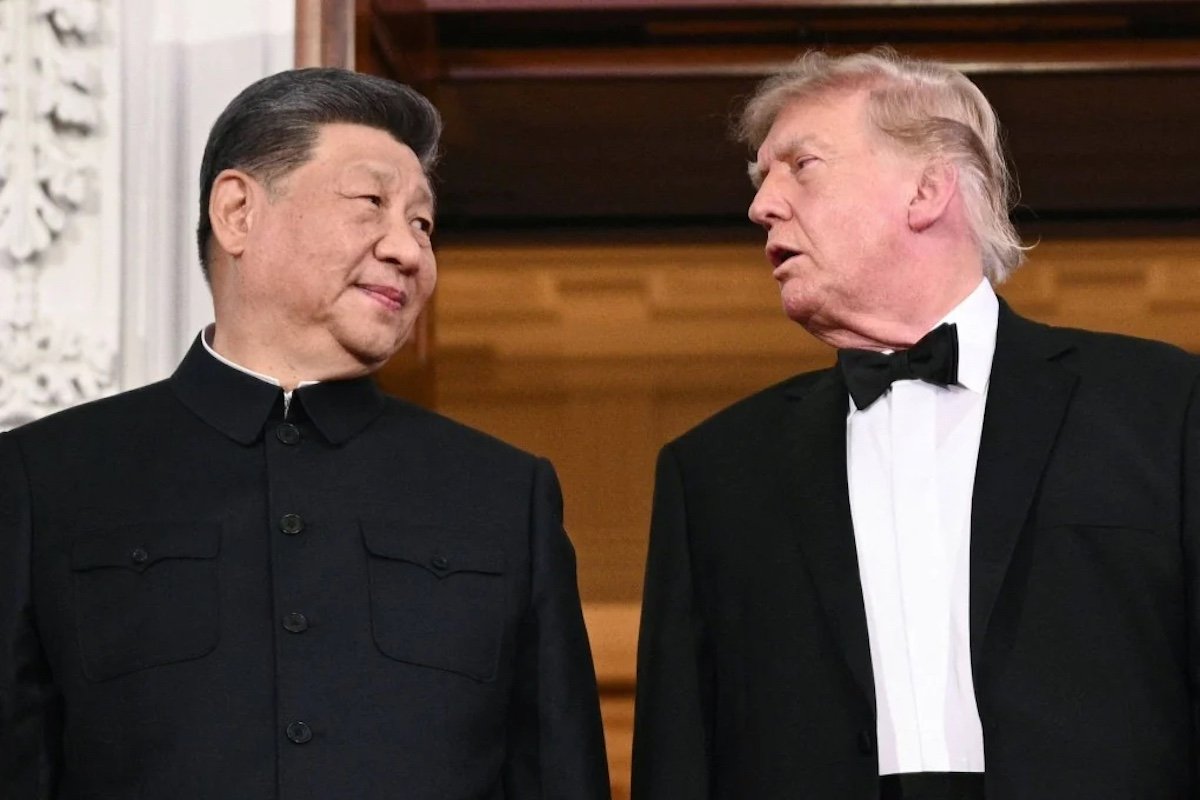
The political dimension is equally important. Trump's second half poses fresh risks for Seoul and Tokyo, and the alliance's reliability is no longer a given. South Korea must pursue a dual-track approach: maintain the alliance while building independent capabilities. This includes investing in indigenous systems like the L-SAM (Long-range Surface-to-Air Missile) and the Cheongung-II medium-range system, as well as developing its own early-warning satellites and radar networks.
Seoul also needs to address the industrial base. Advanced interceptors are expensive and cannot be mass-produced overnight. South Korea must ensure it has the production capacity to replenish stocks in a crisis, rather than relying on US supplies that may be diverted elsewhere.
The strategic environment demands a fundamental reassessment. South Korea's security cannot be outsourced indefinitely. The time to fix its missile defense is now, before the next crisis exposes the gaps.