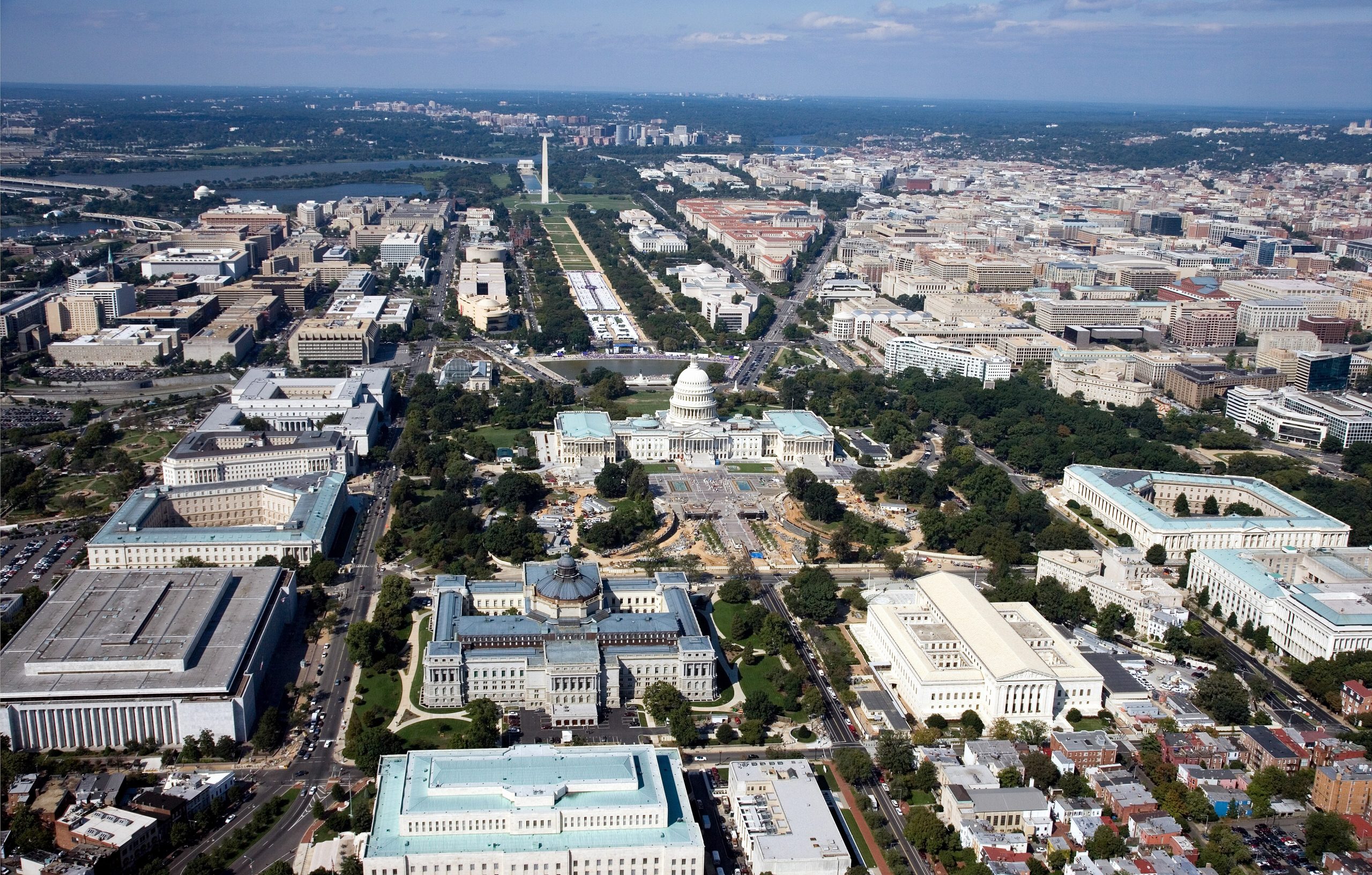
Nearly nine months into a US-Israeli military campaign against Iran, CNN has reported that American intelligence indicates Tehran is developing plans to target senior Trump administration officials with a so-called dirty bomb or chemical weapon in Washington, DC. The report, citing seven unnamed US officials, has drawn immediate comparisons to the false claims that preceded the 2003 invasion of Iraq.
According to CNN, the intelligence suggests Iran is exploring options rather than preparing an imminent strike. Sources said the planning is "very specific" and includes locations and targets, prompting extensive US contingency planning. However, both the White House and Iran's UN mission have publicly dismissed the threat.
Lauren Bis, a White House spokesperson, said the US is "monitoring any and all potential threats, but at this time there are no credible threats to the homeland." Iran's mission to the UN in New York called the allegations "false and fabricated," adding that Tehran "considers the use of chemical weapons under any circumstances to be wholly illegitimate."
Echoes of Iraq
The timing and nature of the claims have triggered alarm among journalists and analysts who remember the Bush administration's unsubstantiated assertions about Saddam Hussein's weapons of mass destruction. Sam Biddle of The Intercept called the dirty bomb threat "one of the great chimeras of peak War on Terror America." Laila Al-Arian, executive producer of Al Jazeera's "Fault Lines," said on social media that "it's giving Iraq WMDs reporting."
Omar Baddar, a progressive political analyst, also drew parallels, noting that the report cannot be separated from recent Axios reporting that Mossad director Roman Gofman traveled to Washington to press the Trump administration to resume the assault on Iran. Israeli Prime Minister Benjamin Netanyahu, who recently lost his parliamentary majority, is reportedly urging the US president to continue the conflict.
The political context is significant. Trump's Republican Party lost control of both houses of Congress in last month's elections, and Democrats are set to take over in January. With a government funding deadline approaching, key Democratic senators have introduced an amendment to defund "Trump's disastrous, illegal, and unjustified war in Iran until this conflict is authorized by Congress, as the Constitution requires."
For observers across the Indo-Pacific, the episode raises questions about the reliability of US intelligence and the potential for escalation in a region already fraught with tension. The closure of the Strait of Hormuz earlier this year demonstrated how quickly regional conflicts can disrupt global energy supplies and affect economies from Tokyo to New Delhi.
The dirty bomb claim also comes amid broader concerns about depleted US weapons stockpiles, which could limit Washington's ability to project power in the Indo-Pacific while it is engaged in the Middle East. Analysts note that the US military's focus on Iran may distract from its stated priority of countering China's rise.
While the White House insists there is no credible threat, the episode underscores the fragile nature of intelligence assessments and the ease with which unverified claims can shape public discourse. As one former intelligence officer noted, "The lesson of Iraq is that we must demand evidence before we accept conclusions that lead to war."
For now, the US and Iran remain locked in a conflict with no clear end in sight, and the latest intelligence claims are likely to fuel further debate about the wisdom of continued military action.