Washington's arsenal of high-end weapons is running on fumes. Despite President Donald Trump's public assurances that the United States is not short of weapons, he has privately told Ukrainian President Volodymyr Zelensky that there are no Patriot interceptors to spare for Kyiv because "we need them for ourselves." The admission, confirmed by multiple sources, underscores a reality that Pentagon planners have been wrestling with for months: the US military's stockpiles of critical munitions are dangerously low.
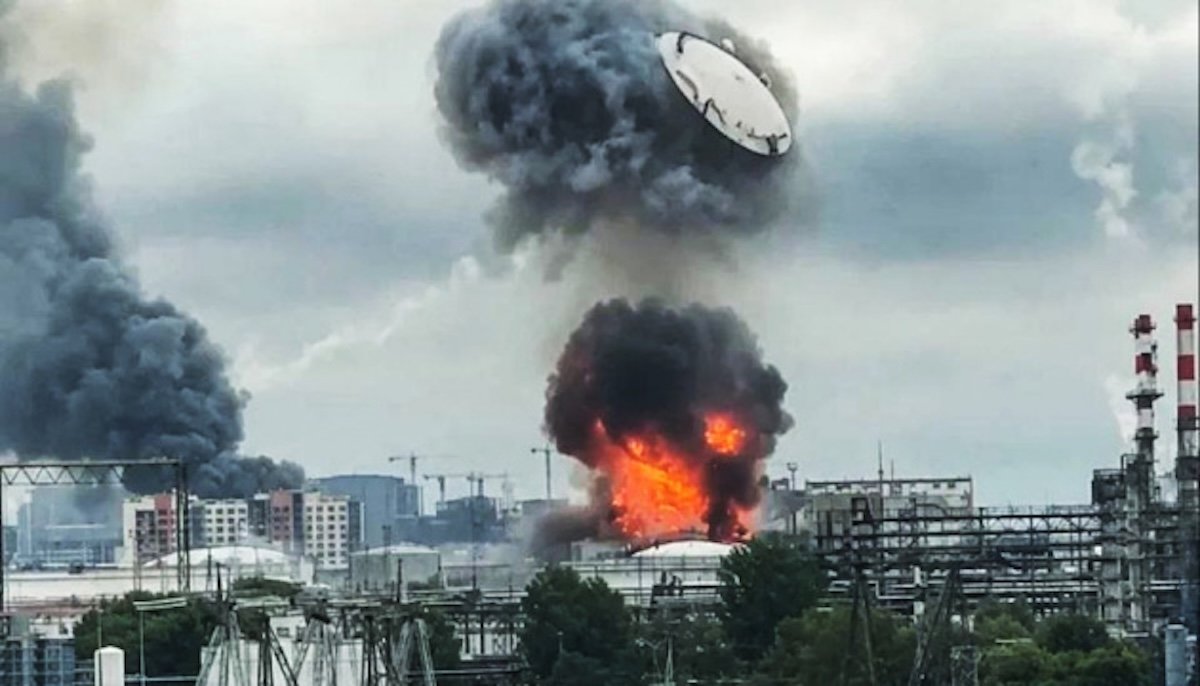
The immediate trigger for the alarm was the renewed hostilities against Iran. Leaks from within the Pentagon suggest that US and allied forces have expended close to 80% of their pre-war THAAD interceptor inventory. At least two to three AN/TPY-2 X-band radars—the primary radar component for the THAAD system—have been confirmed damaged or destroyed in Middle Eastern host countries following Iranian precision strikes. These include a US Army forward-deployed radar destroyed by a drone strike at Muwaffaq Salti Air Base in Jordan, a radar array at Prince Sultan Air Base in Saudi Arabia disabled by a precision strike, and additional strikes on radar facilities near al-Ruwais in the UAE.
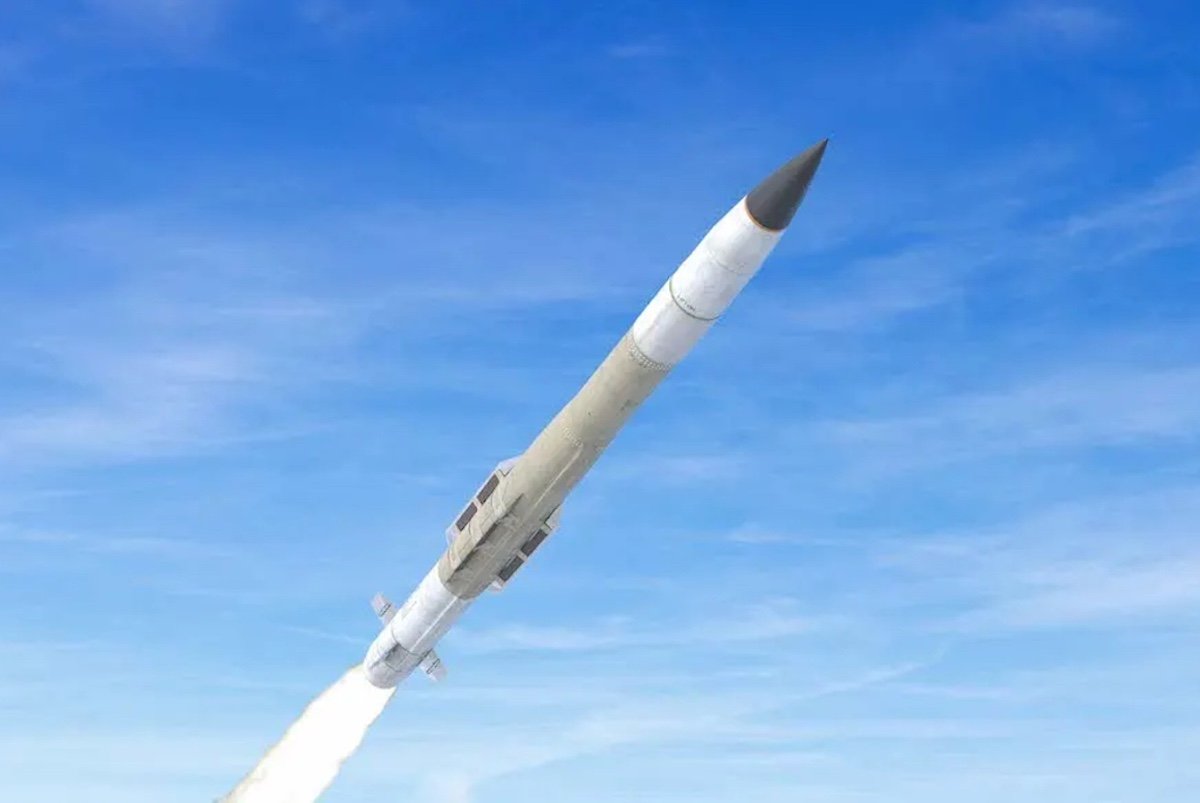
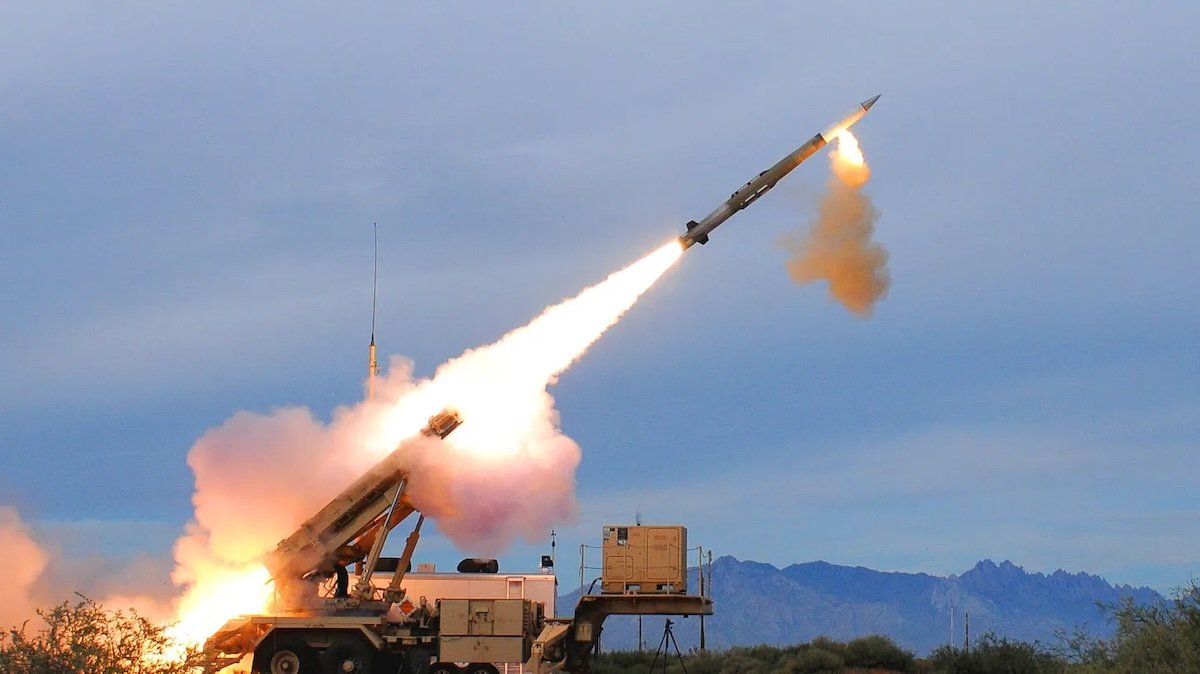
Patriot air defense systems have fared no better. In Bahrain, satellite imagery confirmed that Iranian strikes destroyed key components of a US-supplied Patriot battery at Riffa Air Base. According to defense assessments, including analysis by the Center for Strategic and International Studies, coalition forces have expended approximately 65% of their total PAC-2 and PAC-3 interceptor inventories. The US entered recent operations with an estimated 2,300 to 2,500 PAC-3 interceptors; over 1,500 have been fired. That leaves roughly 800 rounds, which averages out to about 13 interceptors per active Army Patriot battery—enough to load only two launchers out of a standard six-to-eight launcher setup. An additional 400 older PAC-2 interceptors remain in reserve, but these rely on blast-fragmentation rather than hit-to-kill kinetic impact, making them less effective against advanced ballistic threats.
Production bottlenecks and the long road to replenishment
The supply shortage is not a temporary glitch; it is a structural problem. Lockheed Martin, which produces PAC-3 interceptors in Camden, Arkansas, turns out around 600 rounds per year. Under new government contracts, the company is working to expand production, but bottlenecks persist. The advanced seeker head for the missiles is made by Boeing at its Huntsville, Alabama plant, and the end-to-end lead time for a PAC-3 MSE interceptor is roughly 24 months for assembly and up to 30 months for component procurement and propellant curing. A seeker ordered today would take over two years to clear testing, integration, and field deployment. Global demand for Patriot interceptors stands at a backlog of over 4,300 rounds—representing roughly seven years of output at pre-surge production rates.
The US Army's inventory of MGM-140 ATACMS (Army Tactical Missile System) is virtually depleted. Reports based on internal Pentagon data indicate that US forces have fired more than 1,300 ATACMS since early 2026, leaving the overall inventory at "virtually zero" or "rock bottom." ATACMS production has been phased out, and its replacement, the Precision Strike Missile (PrSM), is still in low-rate initial production. Until PrSM ramps up, the army cannot support the precision-missile part of the HIMARS system. This means no more supplies for Ukraine, the Persian Gulf, or other sensitive locations—especially Taiwan and Korea.
The depletion has direct consequences for the Indo-Pacific. ATACMS forms a core component of South Korea's Kill Chain and Korea Massive Punishment and Retaliation (KMPR) frameworks—part of the military's "Three-Axis" strategy to conduct rapid, precision counterbattery strikes against North Korean long-range artillery, bunker complexes, and missile sites near the DMZ. Without ATACMS, that strategy is severely compromised. The US Marines also planned to use ATACMS to stop a naval invasion of Taiwan, but without supplies, that option is off the table.
The global supply of 155mm artillery shells remains under extreme strain. The 155mm shell is widely considered the single most important heavy ground-fires munition, and US production has fallen behind current needs. The US emptied its war supplies supporting Ukraine without accounting for what would happen if the shelves were empty. Now, with the Iran war consuming additional munitions, the shortfall is acute.
The strategic implications are profound. The US is being forced to adjust its security policy, not out of choice but out of necessity. As Trump's Iran exit strategy remains elusive, the Pentagon must prioritize where to send its remaining munitions. This has already led to difficult conversations with allies in the Indo-Pacific, who have been assured of US support but now face the reality of limited supplies.
The situation is further complicated by the North Korea's missile exports to Russia, which have reshaped regional security dynamics. As Pyongyang and Moscow deepen their military cooperation, the US and its allies in Asia are left to wonder whether Washington can back its commitments with firepower.
For now, the US is scrambling to ramp up production, but the lead times are measured in years, not months. The upcoming summit between Trump and Xi Jinping in September will likely touch on these issues, but the fundamental problem remains: the US military is running on empty, and the world is watching.
As one Pentagon official put it, "We've been living off our stockpiles for too long. The bill has come due." The US will have to adjust its security policy, not just in the Middle East but across the Indo-Pacific, where allies like South Korea, Japan, and Taiwan are now questioning the reliability of US security guarantees. The era of abundant American firepower may be over, and the region is bracing for the consequences.