Reports from Moscow and Kyiv this week suggest that Russia may have abandoned its long-standing informal policy of not targeting Ukrainian President Volodymyr Zelensky. The reports, which have not been officially confirmed by the Kremlin, indicate that the Russian Security Council, chaired by President Vladimir Putin, decided to lift the ban during a closed-door meeting. If true, this would mark a significant escalation in the conflict, with potential implications for the region and beyond.
The origins of the informal ban
The so-called ban traces back to March 2022, when then-Israeli Prime Minister Naftali Bennett, at Zelensky's request, flew to Moscow on an urgent diplomatic mission. Bennett, an observant Jew, broke the Sabbath to travel, citing the Jewish principle of Pikuach Nefesh, which permits violating religious law to save a life. During their meeting, Bennett directly asked Putin whether he planned to kill Zelensky. According to Bennett's account, Putin replied, "I won't kill Zelensky." Bennett pressed for a firm commitment, and Putin repeated, "I'm not going to kill Zelensky." Bennett later relayed to Zelensky that he was "one hundred percent" certain Putin would not target him.
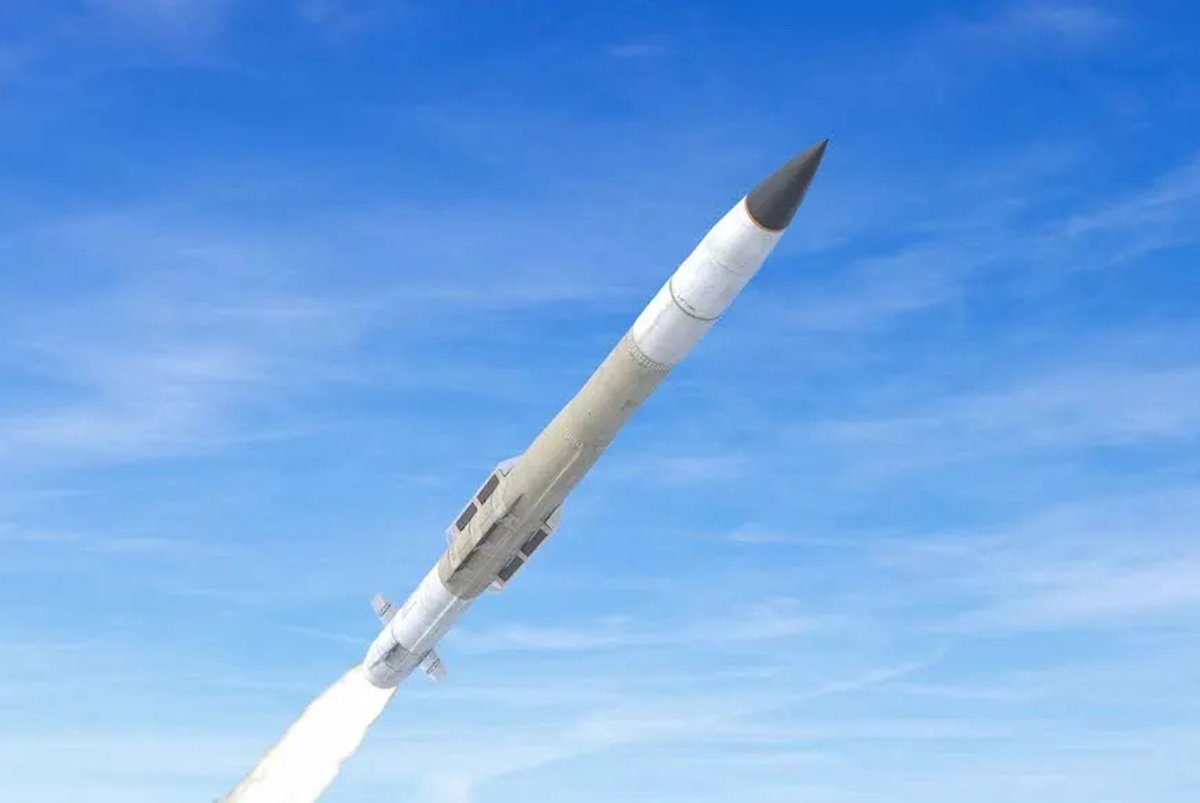
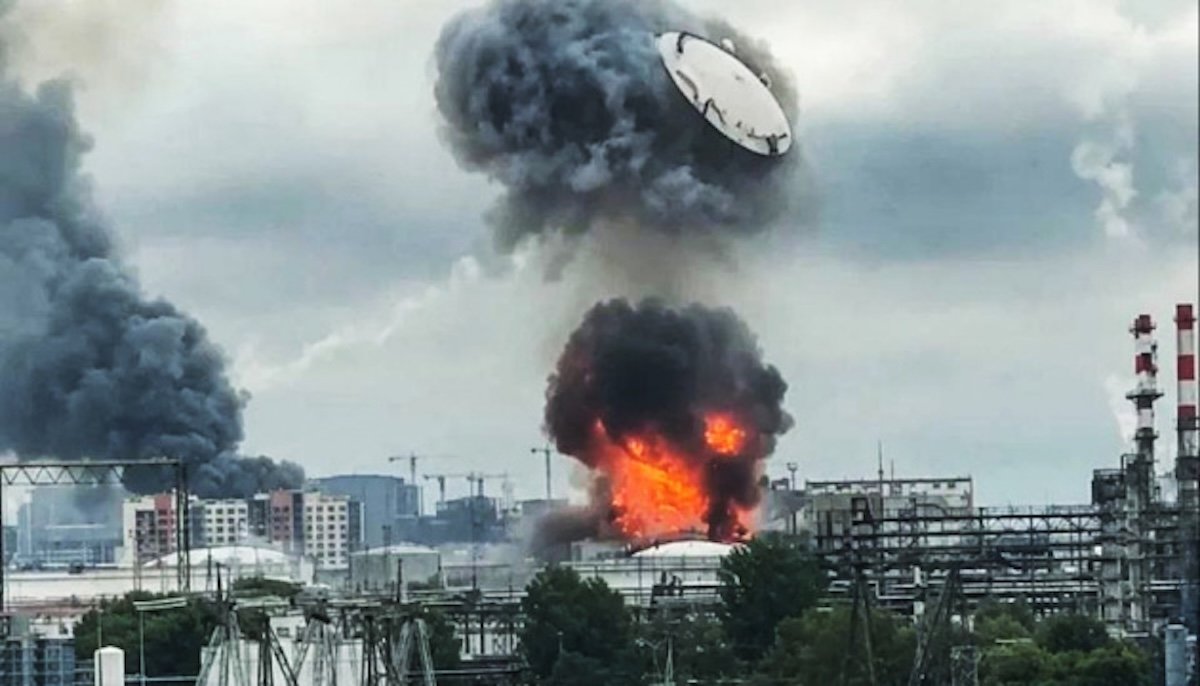
That assurance has now been called into question. The Moscow-based daily Moskovsky Komsomolets (MK) reported on November 14, 2026, that the Security Council had decided to lift the ban, citing unnamed sources and military-political Telegram channels. The report claimed that Ukrainian drone and missile attacks on the Baltic oil port of Ust-Luga, along with the economic strain of intercepting Ukrainian drones, had pushed Russia to consider decapitating Ukraine's political and military leadership. The proposed methods reportedly include hypersonic missiles, Iskander ballistic missiles, and FAB-3000 glide bombs.
Ukraine's underground command center
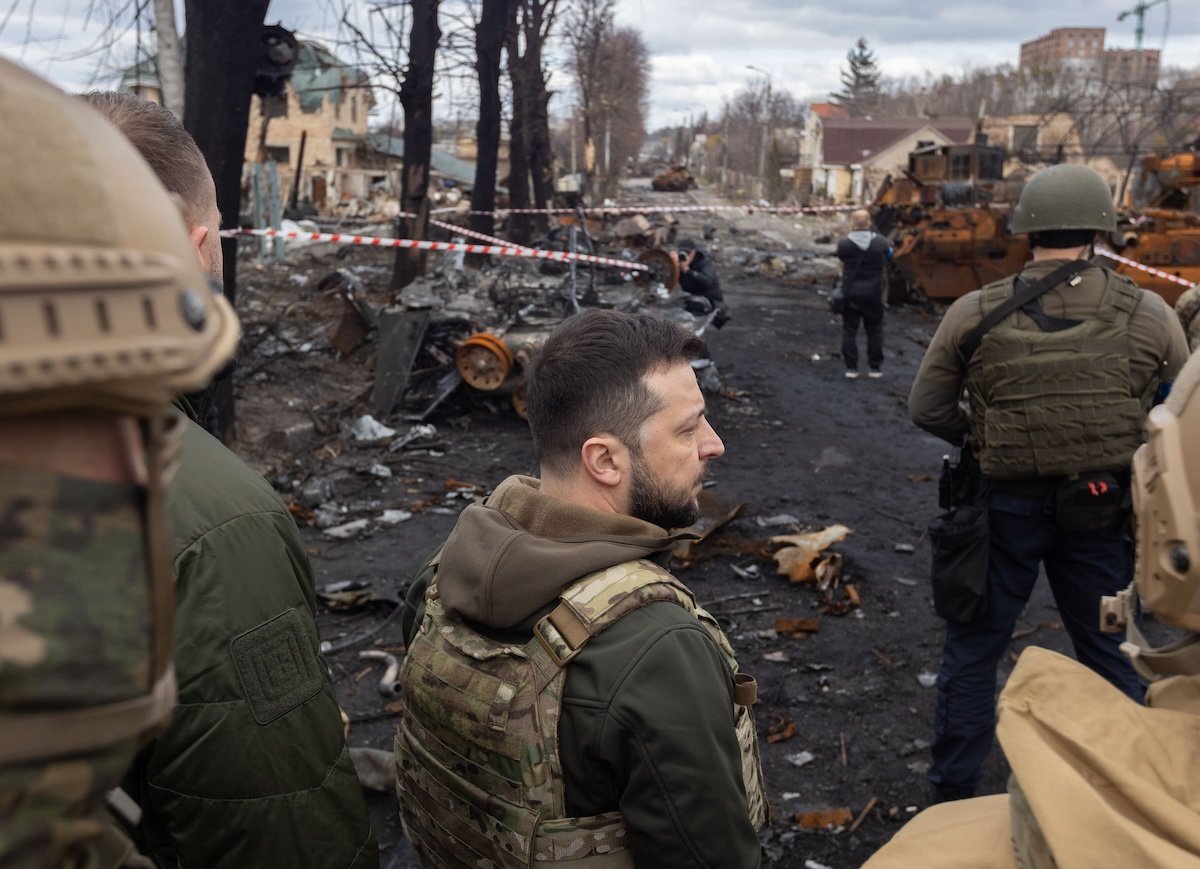
Zelensky's wartime command has relied heavily on a vast Soviet-era subterranean complex beneath Kyiv's government quarter. Originally built as a Cold War nuclear fallout shelter, the facility, part of the ChZ-417 network, is designed to sustain a rump government during a nuclear strike. It connects via deep shafts and tunnels to the Cabinet of Ministers, the parliament, and the Kyiv Metro, and features autonomous life-support, water, diesel power, and secure communications. So far, Russian forces have not bombed this complex, and it remains unclear whether conventional Russian weapons could penetrate it. Unlike the United States, Russia lacks specialized bunker-busters like the GBU-57 Massive Ordnance Penetrator, which the US used in Iran during Operation Midnight Hammer. Russia's most effective penetrator is the FAB-3000 M-54, a three-ton Soviet-era glide bomb with a UMPK glide kit, which can be released from 40 to 60 kilometers away. There is no verified confirmation of such a bomb being shot down, though Ukrainian forces claim to have intercepted over 100 smaller UMPK-equipped glide bombs.
Escalating covert strikes
The reported decision comes amid a series of Ukrainian covert operations against Russian military and political figures. On November 12, Russian Air Force Colonel Dmitry Lobodin was killed in a car bomb attack in St. Petersburg, attributed to Ukrainian operatives. The following day, a car bomb on Kirovogradskaya Street in Moscow severely injured Sergei Zavorotniy, a former aide to exiled pro-Russian Ukrainian ex-Prime Minister Mykola Azarov. Zavorotniy lost his left arm and suffered a concussion and shrapnel wounds. Ukraine has also attempted strikes on Russian military intelligence headquarters, including an attack on the office of Kyrylo Budanov, head of Ukraine's HUR and a top aide to Zelensky.
The lifting of the ban, if confirmed, would represent a major shift in Russian policy. It could also have broader regional implications, as Trump hints at sweeping Russia-Ukraine deal with wider European scope, and as Ukrainian resolve holds despite Russian scorched-earth campaign. The international community, including Asian nations with stakes in the conflict, will be watching closely. As Russia's escalating attacks on Ukrainian civilians demand a global response, the question of whether Moscow will now target Zelensky directly remains a critical unknown.
For now, the jury is out. The Kremlin has not officially confirmed the reports, and the lack of documentary evidence leaves room for doubt. But the signals from Moscow are unmistakable: the calculus that once protected Zelensky may be eroding, and the war may be entering a more dangerous phase.