Vladimir Putin's latest theory of victory in Ukraine rests on a simple bet: that relentless Russian strikes on Ukrainian cities will break civilian morale and force Kyiv to accept Moscow's terms. But new survey data from the Kyiv International Institute of Sociology, conducted with our research team, suggests this bet is failing.
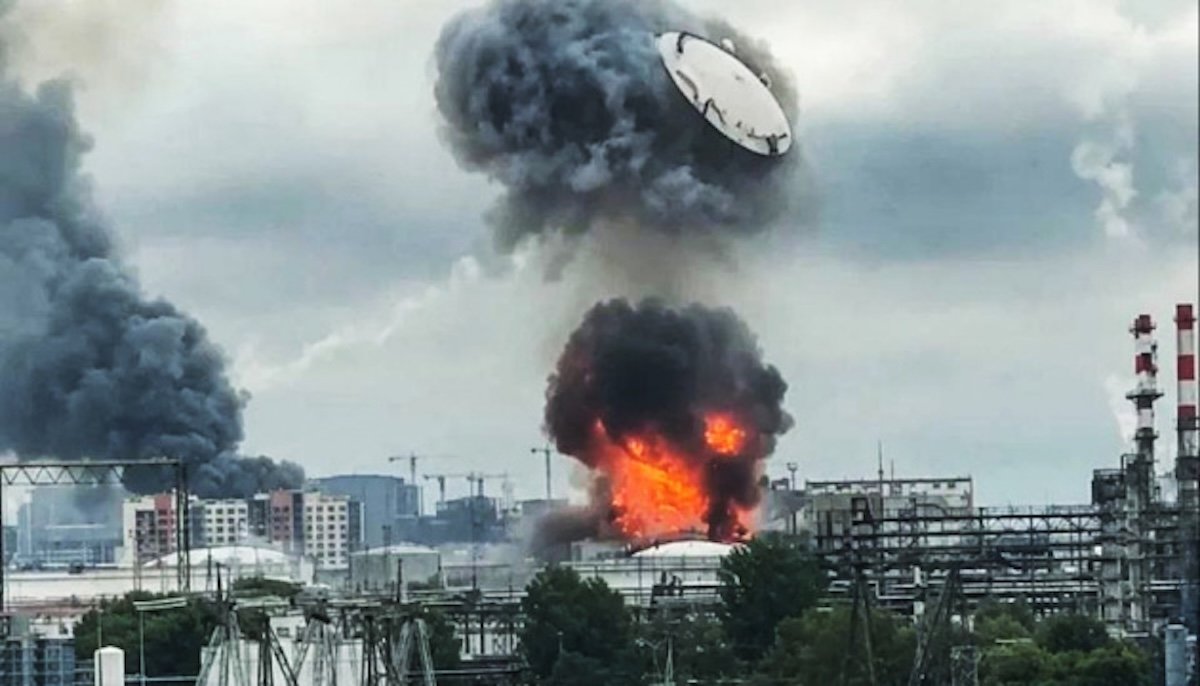
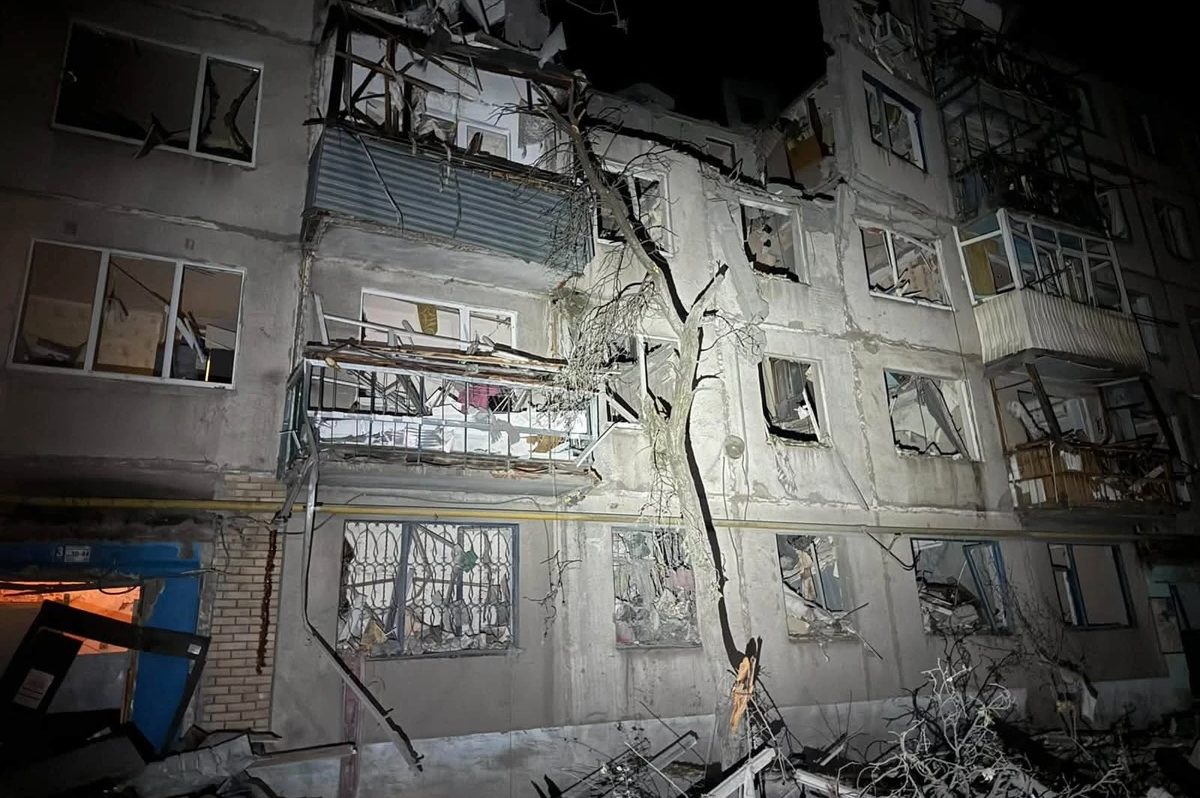
The Russian president has cycled through several strategies since February 2022—first a quick capture of Kyiv, then grinding offensives in the Donbas. Now, with the war in its fourth year, Moscow has escalated its campaign against Ukraine's power grid, especially in the capital. A recently intercepted Russian military document reportedly outlines plans to degrade Ukrainian life by cutting electricity, water, and transport.
Ukrainian President Volodymyr Zelensky has warned that Russia is trying to cause a nationwide blackout before winter, leaving millions without heating. The broader aim, analysts say, is to make Kyiv uninhabitable and provoke either an exodus or a popular revolt against continued resistance.
This scorched-earth approach is not new. Russian forces used similar tactics in Grozny during the first Chechen war in the 1990s and later in Aleppo, Syria. But does it work? Our polling suggests not.
War trauma and blackouts
From June 9 to 26, 2026, we surveyed a nationally representative sample of 1,801 Ukrainians in government-controlled areas. The results paint a grim picture of cumulative hardship. Nearly one in four Ukrainians report high levels of stress, with symptoms like anxiety, depression, and difficulty concentrating. About 20% say they or a family member have been injured in Russian attacks, and 69% have lost a family member or close friend to the war.
Power outages have become a daily reality. Sixty-five percent of respondents say they lose utilities often or very often; only 1.4% have never experienced an outage since 2022. In Kyiv, 73% report frequent outages, compared with 54% in the west.
Yet when we cross-tabulate these hardships with attitudes toward peace, a striking pattern emerges. The survey asked whether Ukrainians would accept the current front line as a ceasefire line for the sake of peace—a position the government has floated but which remains controversial because it would cede territory to Russia, even temporarily.
Ukrainians are almost evenly split: 39% are open to freezing the line, 38% are opposed. But crucially, neither direct exposure to violence nor the frequency of power outages correlates with a willingness to concede. Those who have suffered most are no more likely to support territorial concessions than those who have been spared.
This finding aligns with a broader body of academic research showing that airpower rarely achieves decisive political goals. Bombing terrorizes civilians, but it does not automatically shift their preferences about war outcomes. In Ukraine, the opposite may be true: hardship appears to harden resolve.
Putin's strategy may also be undermined by international dynamics. As Washington's stance toward Moscow shifts, European support for Ukraine has shown signs of strain. Yet Ukrainian public opinion remains a bulwark against any imposed settlement.
The data suggest that even as winter approaches and the bombs continue to fall, Ukrainians are not being driven to sue for peace. If Putin expects the blackout to break their will, he may be misreading the very people he is trying to subdue.