For more than seventy years, South Korea’s policy toward North Korea has been anchored in the belief that the two Koreas would eventually reunify, even if that goal remained distant and the path forward was fraught with political, economic, and social hurdles. North Korea, too, paid lip service to reunification—though on its own terms, not through absorption into the South’s system.
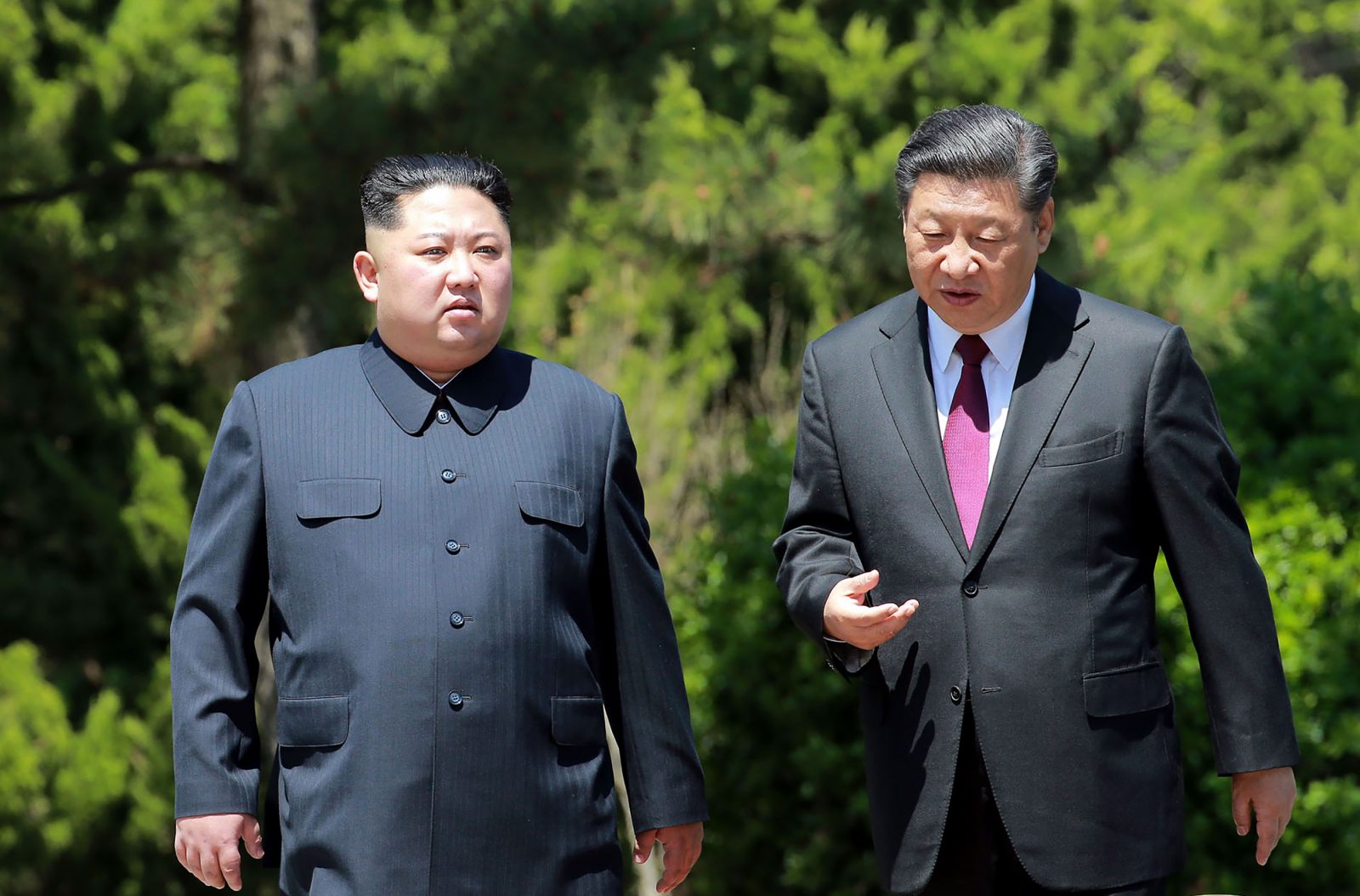
That consensus has now collapsed. In 2024, Kim Jong Un declared his country no longer interested in reunification, labeling South Korea a “hostile nation.” Earlier this year, Pyongyang amended its constitution to remove references to reunification, and North Koreans now face punishment for mentioning the concept or even the shared ethnicity that once underpinned it.
Meanwhile, South Korean public opinion has shifted dramatically. According to the Korea Institute for National Unification (KINU), the 2025 survey marked the first time a majority of respondents did not consider reunification necessary—49% said it was not, a figure that rose to 48.2% in 2026. The share of South Koreans who say reunification is unnecessary if the two sides can coexist peacefully jumped from 43.1% in 2016 to 66.9% this year. A separate survey by Seoul National University’s Institute for Peace and Unification Studies found that only 39% of South Koreans view reunification as essential.
Generational and identity shifts
These numbers reflect a deeper transformation. Younger South Koreans are less attached to the idea of a single Korean nation, and even within generations, support has declined over time, as my research using Korean General Social Survey data from 2003 to 2025 shows. South Koreans are increasingly distinguishing between shared ethnicity and shared political community. While 56% still believe the two sides are of the same ethnicity, 65% consider them separate states. This separation is also evident in how South Koreans treat ethnic Koreans from China (Joseonjok) and the former Soviet Union (Koryo-saram), a pattern scholars Dong-Hoon Seol and John Skrentny call “hierarchical nationhood.” North Koreans now occupy an ambiguous space—neither fully foreign nor fully part of the national community.
These shifts have practical implications. Reunification is not an abstract ideal; it carries enormous economic, political, and social costs. My recent work with Lydia Crisp shows that merely mentioning potential costs depresses public support for reunification. Seoul must ask whether its policies reflect these changing preferences. While leaders can shape public opinion—as seen in the 2018 summit between Moon Jae-in and Kim Jong Un—a government that insists on reunification as the inevitable endpoint misses the chance to normalize peaceful coexistence as a legitimate alternative.
What Pyongyang wants
For Seoul, flexibility is crucial. It is too early to tell whether Pyongyang’s shift is permanent or a strategic maneuver. By abandoning the rhetoric of a shared community, the regime can treat South Korea as just another foreign adversary, potentially reducing Seoul’s relevance in future nuclear negotiations. Alternatively, Pyongyang may be testing a new tactic—one where its nuclear arsenal is accepted as a reality, not a bargaining chip. The 2026 constitutional revisions, however, suggest this is more than a temporary rhetorical departure.
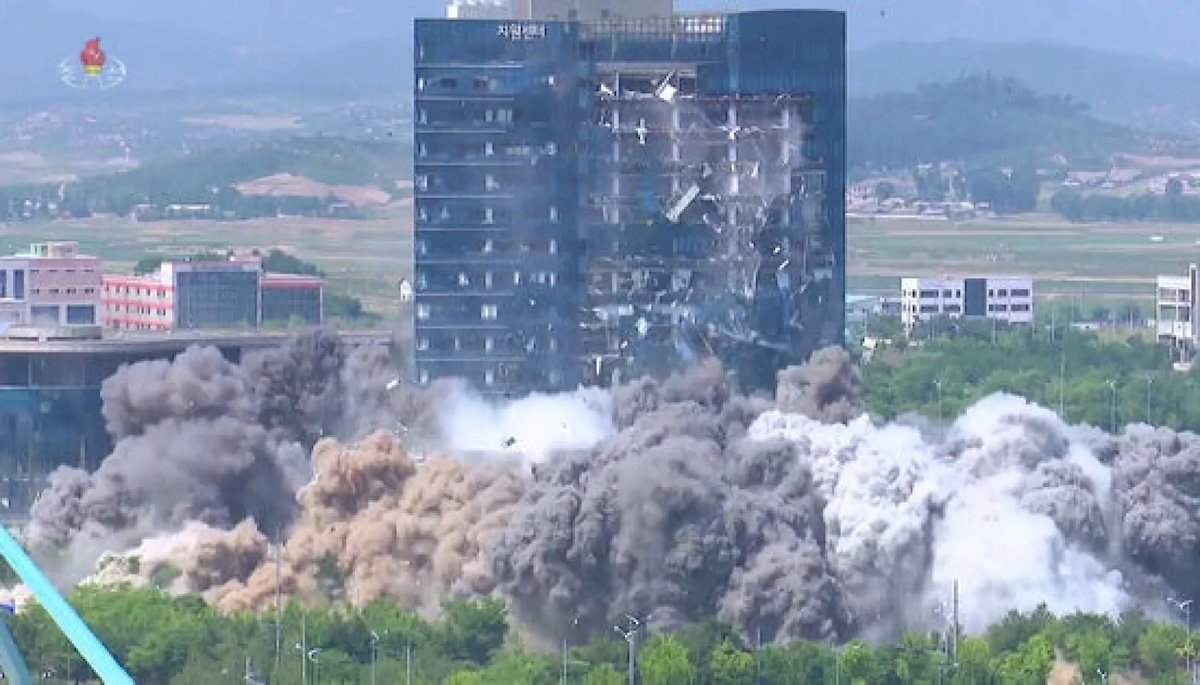
The deterioration of inter-Korean relations over the past decade underscores the need for a new approach. Since 2019, Pyongyang has repeatedly rebuffed Seoul’s engagement attempts. In 2020, North Korea destroyed the joint liaison office in Kaesong, established after the Moon-Kim summit. In 2024, it blew up sections of inter-Korean roads and railways, a symbolic severing of ties. In September, landmine explosions injured three South Korean soldiers, with North Korea denying responsibility. In October, Pyongyang threatened to resume propaganda broadcasts at the DMZ and deploy additional weapons there.
As South Korea grapples with this new reality, it must also consider its broader regional position. The new congressional allies in Washington may offer some leverage, but the hollowing out of alliance expertise in the US could complicate coordination. Meanwhile, Japan-South Korea ties remain a delicate variable in regional security.
Ultimately, Seoul faces a choice: cling to a fading dream or embrace a pragmatic policy of coexistence. The evidence suggests that South Koreans are ready for the latter. The question is whether their leaders are.