The US Supreme Court has cast significant doubt on the legal foundation of former President Donald Trump's expansive "liberation day" tariffs, following intense oral arguments. The case, which questions the limits of presidential emergency powers, carries profound implications not only for US constitutional law but also for the export-driven economies of Asia that were subject to the duties.
A Conservative Court Questions Presidential Authority
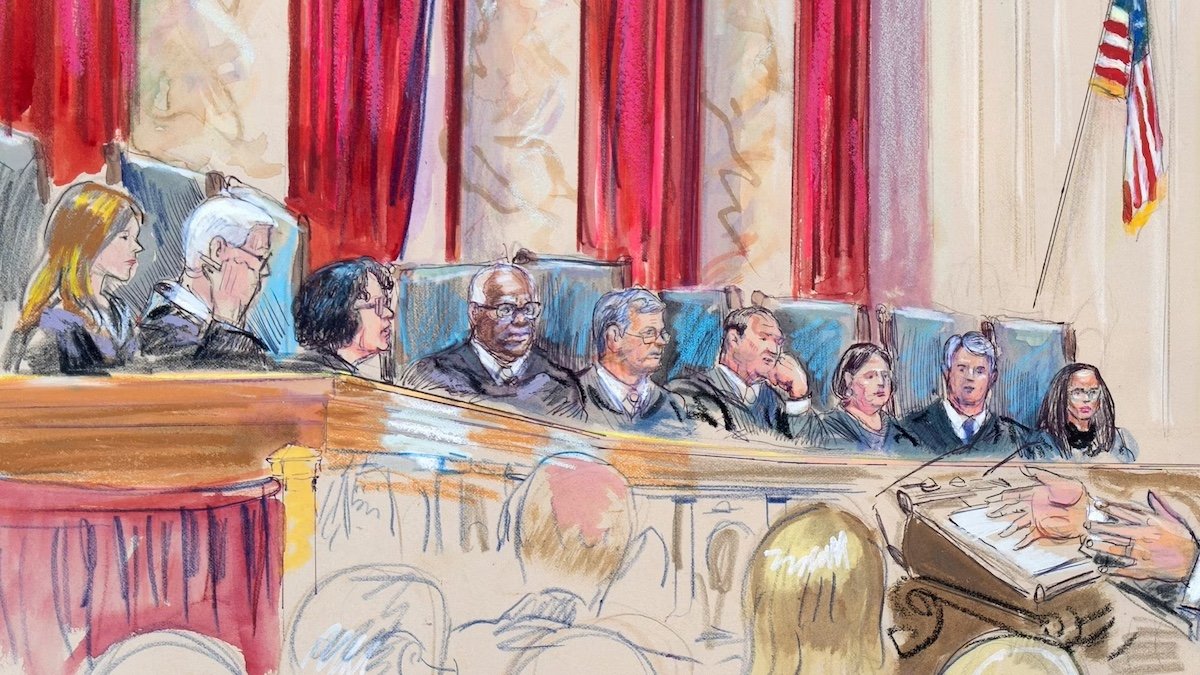
In a notable hearing, justices across the ideological spectrum scrutinized the Trump administration's use of the 1977 International Emergency Economic Powers Act (IEEPA) to justify imposing tariffs on most trading partners. The court's conservative majority, including Trump appointee Justice Brett Kavanaugh, appeared unconvinced that the statute's language granted such sweeping authority. "Figuring out what 'regulate importation' means is – is obviously central here," Justice Kavanaugh noted, adding that previous presidents had never interpreted the law this way.
Chief Justice John Roberts echoed this concern, stating the administration's justification appeared "a misfit" for claiming the power to levy tariffs "on any product from any country for – in any amount for any length of time." Justice Elena Kagan pointedly observed the IEEPA "has a lot of verbs … It just doesn't have the one you want." This bipartisan skepticism aligns with three lower courts, including the US Court of International Trade, which all ruled the tariffs illegal.
The Stakes for Asia's Trade Networks
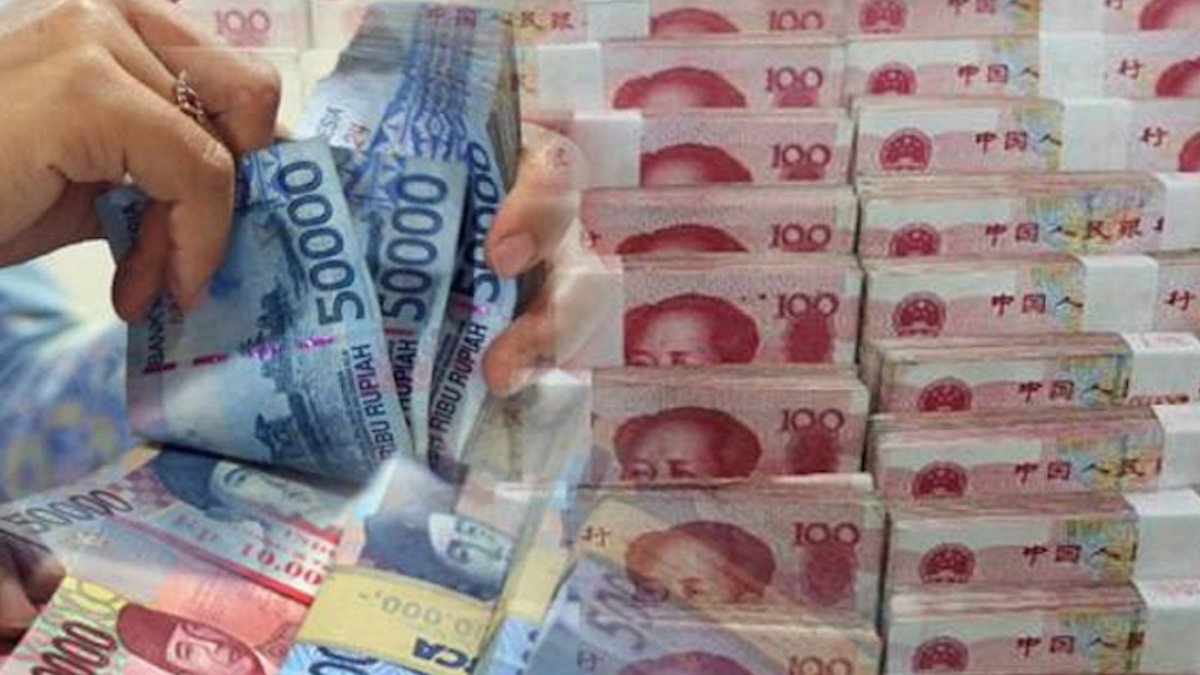
The legal challenge transcends US domestic policy. The "liberation day" tariffs directly affected a vast network of Asian exporters, from manufacturers in Shenzhen and Ho Chi Minh City to technology firms in Seoul and Tokyo. A ruling striking down the tariffs could trigger a complex process of refunds for duties paid, injecting uncertainty into supply chains and corporate balance sheets across the region. As the case demonstrates, Trump's tariff plans have consistently injected volatility into Asia's trade-dependent economies.
During arguments, the discussion turned to the practical nightmare of potential refunds. Justice Amy Coney Barrett pressed lawyers on how reimbursing billions in collected duties would work, summarizing the prospect as "a mess." Counsel for the business plaintiffs suggested the Court might limit any ruling to "prospective relief," affecting only future tariffs and leaving past collections intact—except for the five companies that brought the suit. The Court did not indicate its preference, but the mere consideration of remedies signals the justices are seriously contemplating invalidating the tariffs.
The economic ramifications of a ruling against the tariffs would be global, but particularly acute for Asia. Nations like China, Vietnam, South Korea, and Japan have navigated years of trade policy turbulence from Washington. This case is another pivotal moment, potentially rolling back one of the most significant unilateral trade actions of the past decade. The uncertainty comes as other Trump-era foreign policy moves, such as the Hormuz blockade, continue to raise stakes for Asian energy security.
A Decision on Power and Precedent
At its core, the case represents a constitutional clash over the separation of powers. Trump invoked the IEEPA by declaring an economic emergency in April, a move critics argue stretches the law far beyond its intent to address national security threats like terrorism or proliferation. The Supreme Court must decide whether Congress unconstitutionally delegated its taxing power to the executive branch through ambiguous statutory language.
Legal observers noted the Court's expedited review of the case, though no ruling date has been set. Following the hearing, betting markets sharply reduced the odds of a ruling in Trump's favor, dropping the probability from nearly 50% to around 30%. Trump himself has called it "the most important decision … in the history of our country," a characteristic overstatement that nonetheless underscores the case's significance for executive authority.
The outcome will set a critical precedent for future presidents, whether they seek to use emergency powers for economic, environmental, or security goals. It also places the judiciary as a central arbiter in checking expansive presidential claims—a role, as the arguments showed, that can unite justices across political lines. For Asian governments and businesses, the wait for a decision continues, with the knowledge that the ruling will reverberate through ports from Busan to Singapore, affecting the delicate balance of global trade.