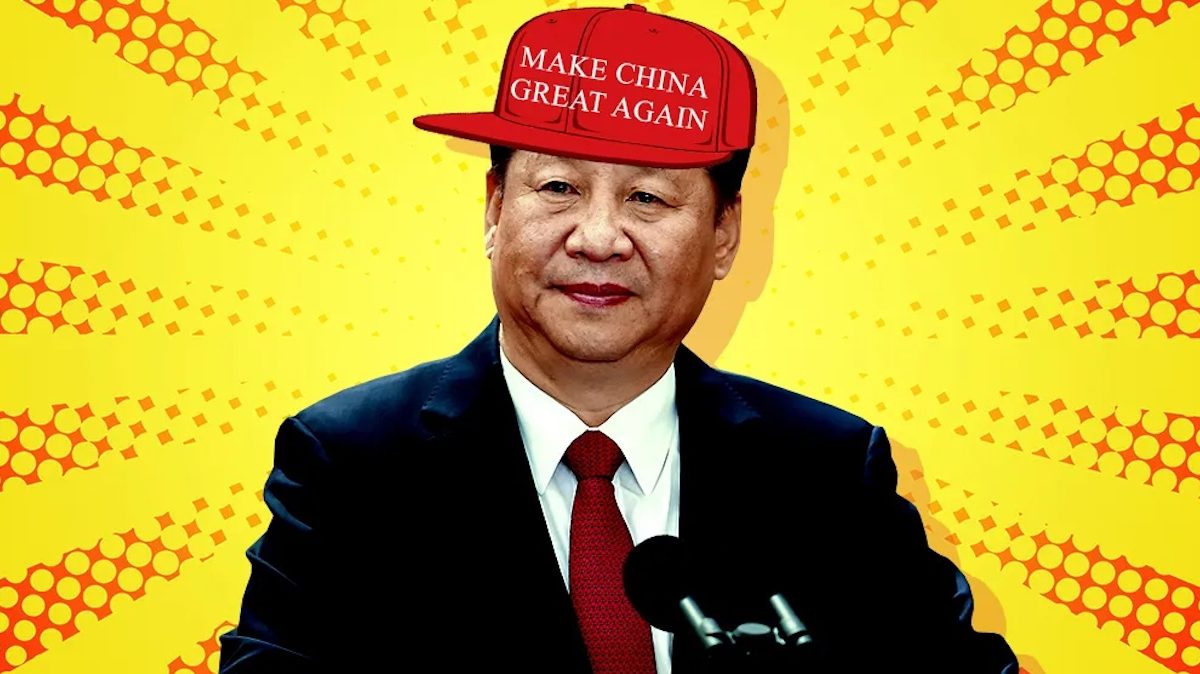
For years, the standard advice from Washington's foreign policy establishment has been consistent: don't say anything too blunt to Beijing. The refrain—"We can't do that. They won't like it"—has shaped US-China relations for decades. The unspoken rule: China has red lines, and crossing them invites trouble.
Those red lines are well known. Questioning China's political system, raising Taiwan, democracy, human rights, or challenging Beijing's claim to unrestricted "development rights"—all are off-limits. In practice, this means avoiding any criticism of the Communist Party's behavior, no matter how destabilizing it is for the region and the world.
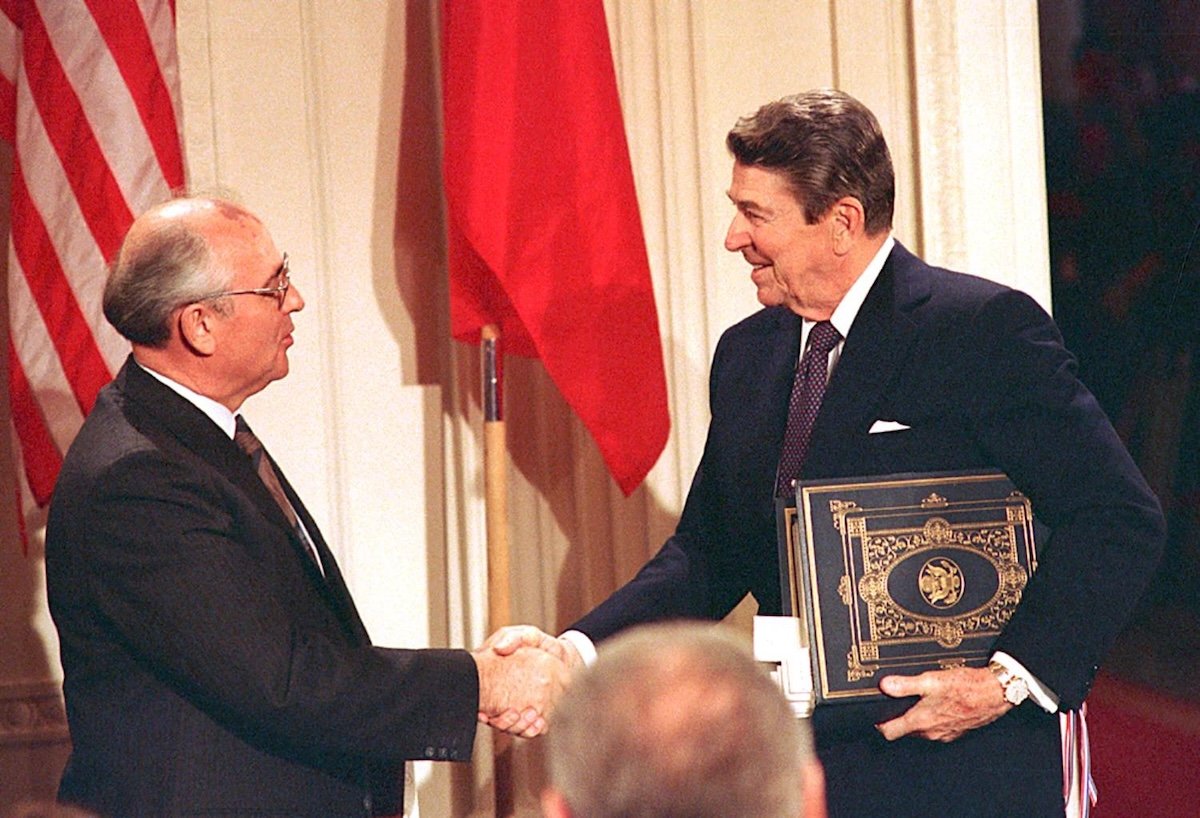
This caution is not new. During the Cold War, the same "experts" warned against confronting the Soviet Union. When President Ronald Reagan stood at the Brandenburg Gate in 1987 and said, "Mr. Gorbachev, tear down this wall," his own advisors—including Secretary of State George Shultz—told him he couldn't say that. Reagan ignored them, and history proved him right.
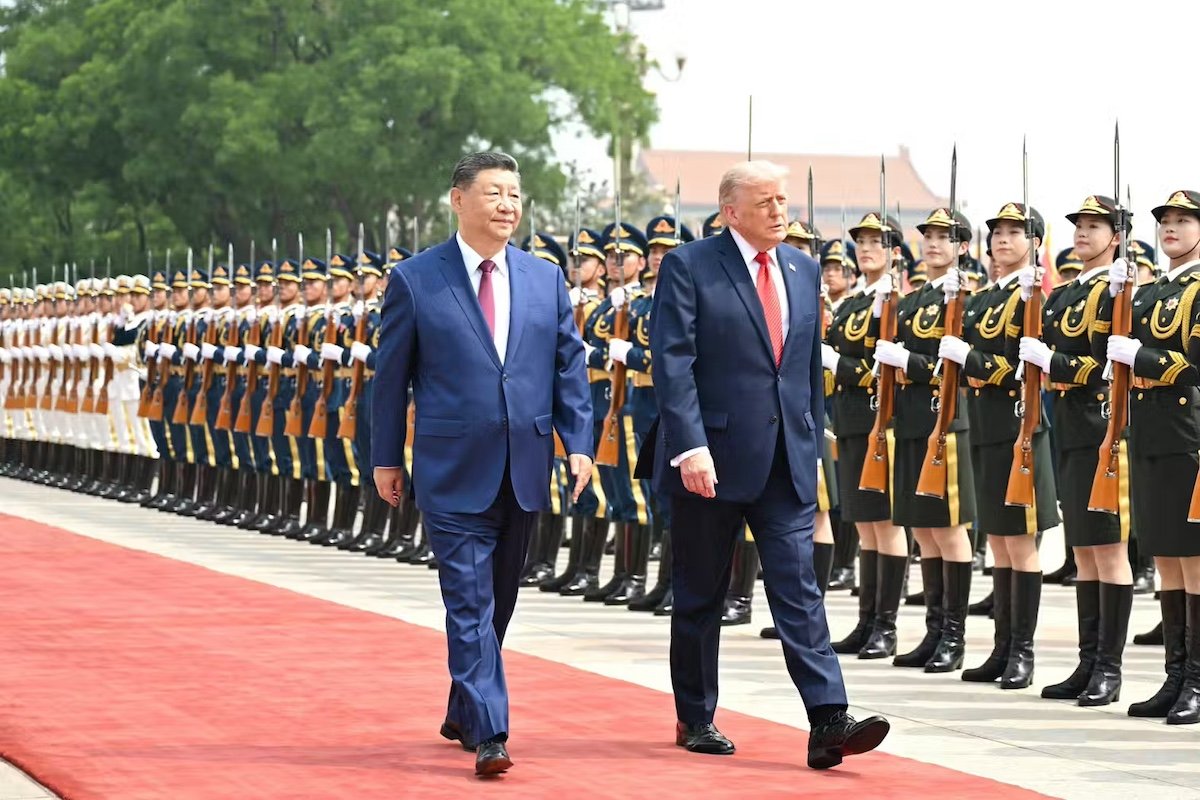
The recent Trump-Xi summit in Washington suggests that this instinct for restraint remains deeply embedded in the US policy class. The public portion of the visit was limited to two brief speeches, and the official readout from the White House reinforced Beijing's narrative rather than challenging it.
If the assumption is that showing restraint will encourage reciprocity from Beijing, decades of experience suggest otherwise. The Chinese Communist Party interprets public silence as acquiescence. When Washington refuses to speak plainly, it hands a victory to the CCP.
Correcting historical distortions
One area where public truth-telling is essential is history. During the summit, Xi Jinping invoked the Flying Tigers, implying that the Chinese communists fought alongside the US against Japan in World War II. That is false. The Flying Tigers flew with the Nationalist Kuomintang (KMT), which bore the brunt of the fighting. Mao's communists played a minimal role.
The White House's official readout did not correct this distortion, effectively endorsing it. That is a missed opportunity to set the record straight.
Xi also took a swipe at Japan, warning of resurgent "militarism." The US response should have been clear: Japan, once an enemy, is now a democratic ally that has contributed greatly to regional stability. Washington should have affirmed that it stands with Tokyo and will not tolerate bullying.
Addressing direct harm to Americans
Beyond correcting falsehoods, the US should highlight areas where China has caused direct harm to American citizens. One glaring example is the fentanyl crisis. Since 2013, Chinese-produced fentanyl and its precursors have killed over 800,000 Americans. Xi could stop this in an afternoon, given the CCP's surveillance capabilities. Yet the White House readout claimed the two countries are cooperating to end the fentanyl assault—a delusion.
Another issue is COVID-19. The virus that emerged from Wuhan in 2019 has killed millions worldwide, and long COVID continues to claim American lives. Beijing has never taken responsibility, and the economic fallout destroyed countless businesses and likely cost Donald Trump the 2020 election. This should not be forgotten.
Championing democratic values
Xi frequently lectures about China's supposed benefits to the world. Washington should counter by articulating the advantages of its own system—especially in this 250th year since the Declaration of Independence. Human rights, consensual government, freedom of speech, movement, and religion are all values that Beijing denigrates. The US should defend them openly.
That includes protecting the rights of anti-CCP protesters in Washington and other cities. Chinese agents have been known to threaten and attack dissidents on US soil. The administration should crack down on such behavior—arrest, prosecute, and deport offenders, and expel any embassy or consulate officials involved. Closing a consulate, as happened in Houston in 2020, would send a clear signal.
Instead, the current administration has done nothing, which only invites further encroachment.
Finally, Taiwan deserves recognition as a friend of the US and a testament to what the Chinese people can achieve without communist rule.
President Trump has his own style, especially with authoritarian leaders like Xi. But he should assess whether the traditional policy-community approach has yielded results. During his first term, his administration spoke clearly—Secretary of State Mike Pompeo's 2020 Nixon Library speech, along with addresses by National Security Advisor Robert O'Brien, Attorney General William Barr, and FBI Director Christopher Wray, rattled Beijing. Deputy National Security Advisor Matt Pottinger even delivered speeches in Mandarin, suggesting the Chinese people could do better than dictatorship.
That approach worked. It was only the pandemic that interrupted its momentum. The lesson is clear: public truth-telling, not private restraint, is the path to a more stable and honest US-China relationship.