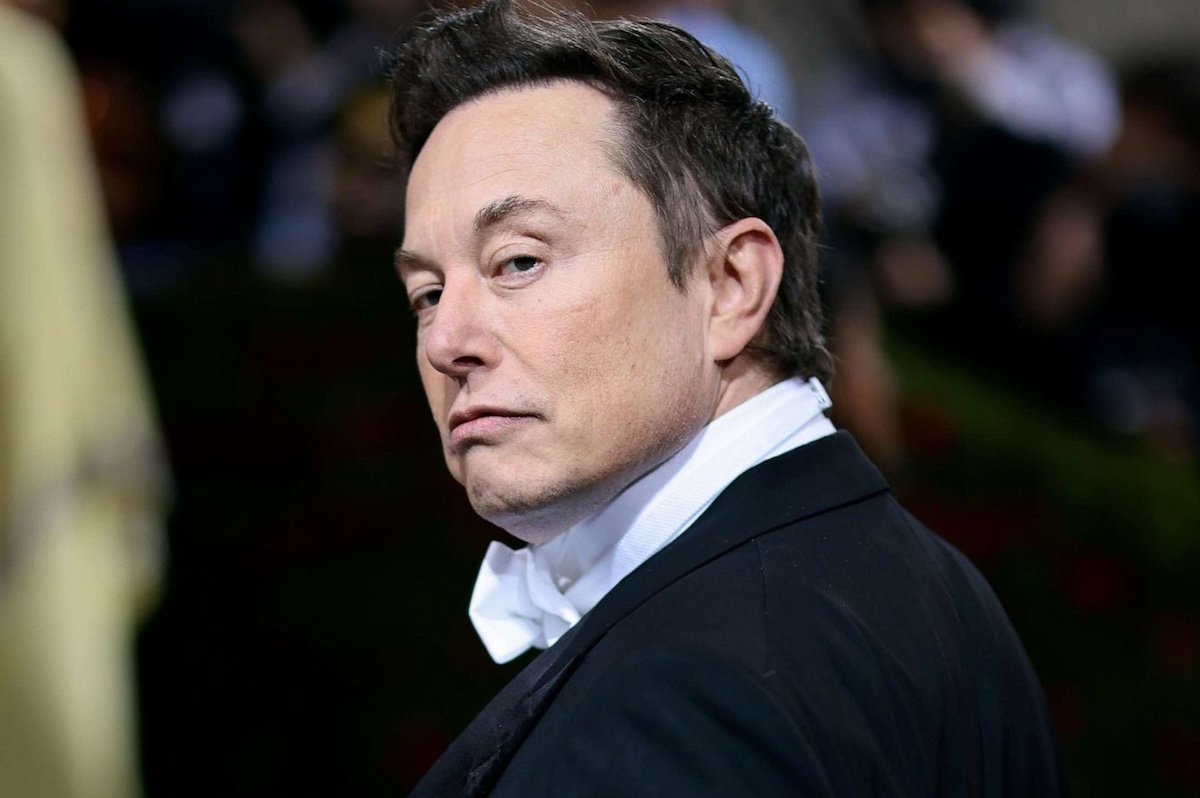
The emergence of the world's first trillionaire—Elon Musk—should serve as a stark warning for democratic systems, not just in the United States but across the globe. As Musk's fortune swells past $1.1 trillion, the concentration of power in the hands of a single individual raises profound questions about the health of self-governing republics and the future of equitable societies.
Musk's wealth, largely driven by SpaceX's recent public offering and its $2 trillion market capitalization, is not merely a personal milestone. It represents a shift in how economic power translates into political influence. In the 2024 election cycle, Musk donated $291 million to President Donald Trump and Republican candidates—a sum that, as Michael Mechanic noted in Mother Jones, amounted to just 0.1% of his net worth. The return on that investment was substantial: the Trump administration shelved dozens of investigations into Musk's companies and awarded lucrative government contracts to SpaceX, Starlink, and other ventures.
From Billionaire to Pharaoh
Musk's acquisition of Twitter, rebranded as X, transformed the platform into a partisan space rife with disinformation and hate speech. His subsequent role as head of the so-called Department of Government Efficiency (DOGE)—named after a crypto meme coin—allowed him to target federal agencies. Public Citizen found that 70% of the agencies DOGE dismantled had conflicts of interest with Musk's businesses, including the Consumer Financial Protection Bureau, which would have overseen X's move into payment processing.
The consequences extend beyond corporate advantage. DOGE cuts to USAID and other humanitarian programs have contributed to an estimated 750,000 lost lives, with projections running into the millions. This is the power of a centi-billionaire; what might a trillionaire do?
Musk is not alone. America's 16 centi-billionaires hold a combined $4 trillion, while the 977 billionaires on the Forbes US wealth list control $9.24 trillion. This concentration of wealth—whether held by liberals like George Soros or conservatives like Musk—distorts markets, politics, and society. As Oxfam notes, Musk could give $100 to every person on Earth and still remain among the ten richest people. A 10% wealth tax on his fortune alone could lift 800 million people above the extreme poverty line.
For Asia, these dynamics are not distant. The region's economies, from China to India to Southeast Asia, are deeply interconnected with US markets and policies. The rise of a trillionaire class in America mirrors trends in Asia, where billionaires in China, India, and Japan also wield outsized influence. The lesson is clear: unchecked wealth concentration undermines democratic accountability and exacerbates inequality, a challenge that transcends borders.
As the decline of American empire unfolds, the world watches. The flashing red light on US democracy is a warning for all nations that value self-governance. The question is whether societies can muster the political will to curb this influence before it becomes irreversible.