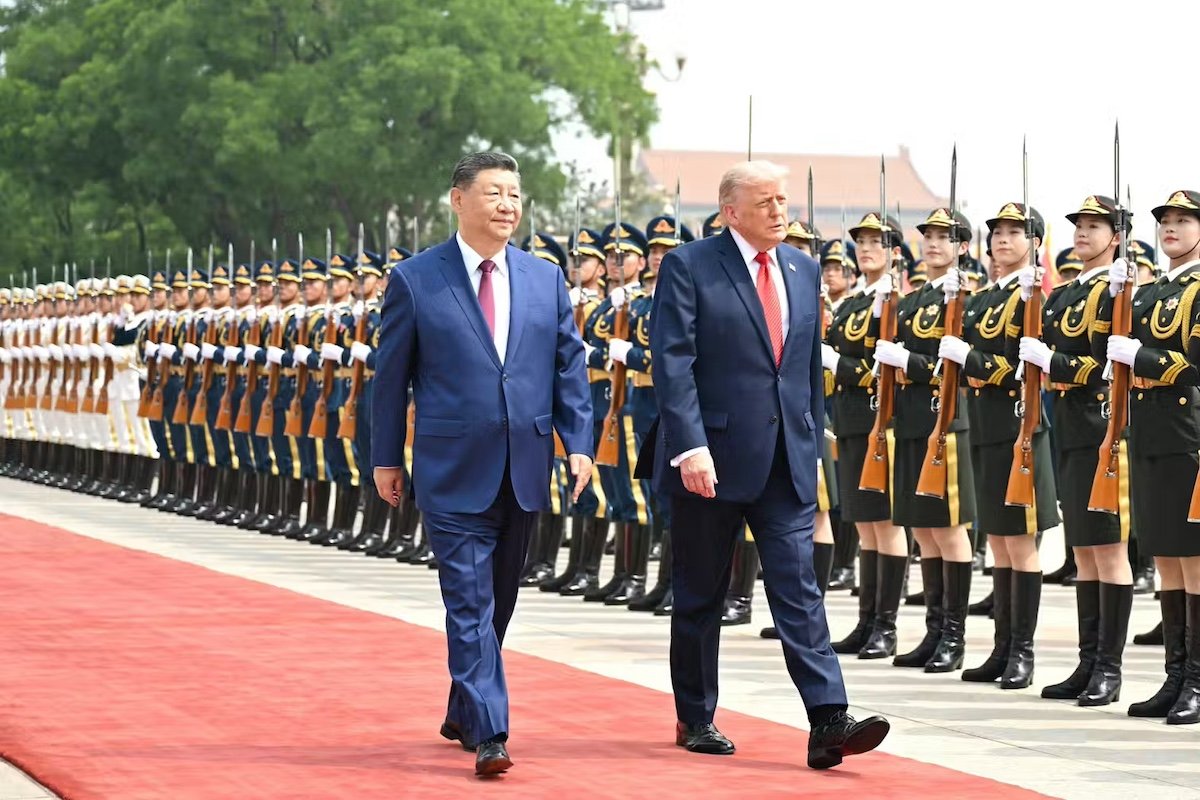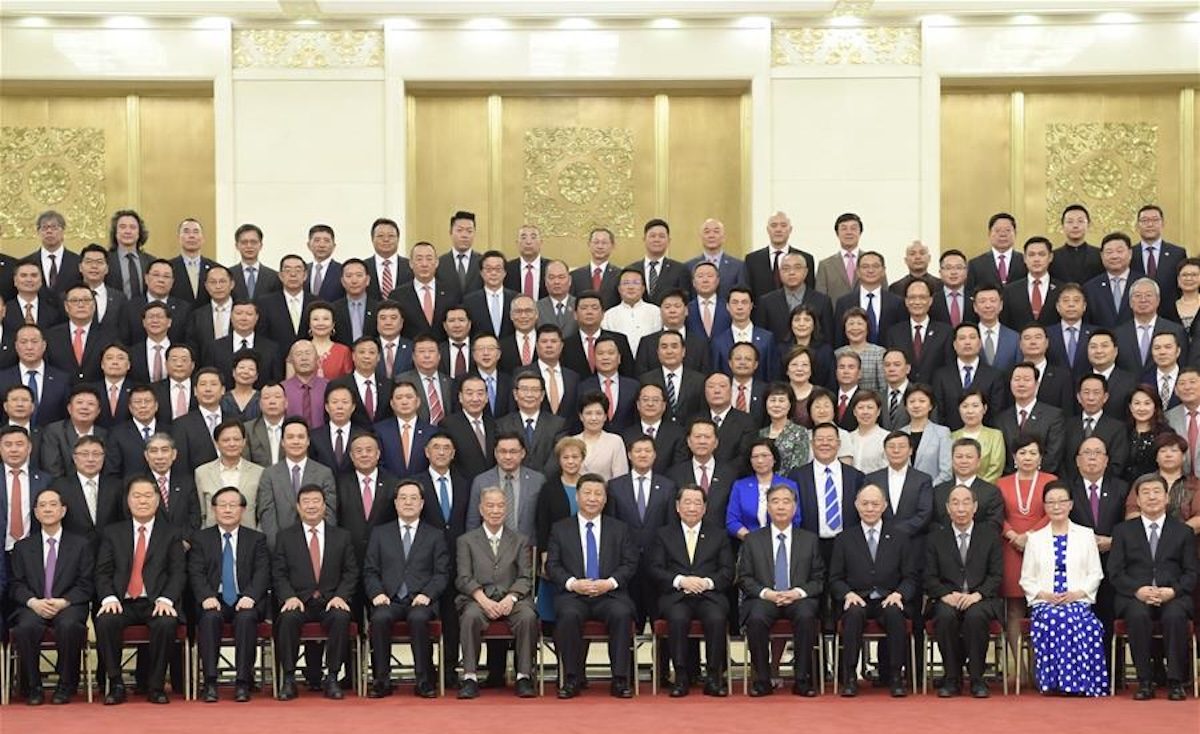
At a closed-door session of the National Committee of the Chinese People's Political Consultative Conference (CPPCC) in Beijing on July 27-28, President Xi Jinping addressed overseas Chinese affairs for the first time since the 2018 party-state restructuring. The official readout, released the following day, contained a notable shift: Xi called on the roughly 60 million-strong Chinese diaspora to "leverage their unique strengths in support of the cause of national reunification."
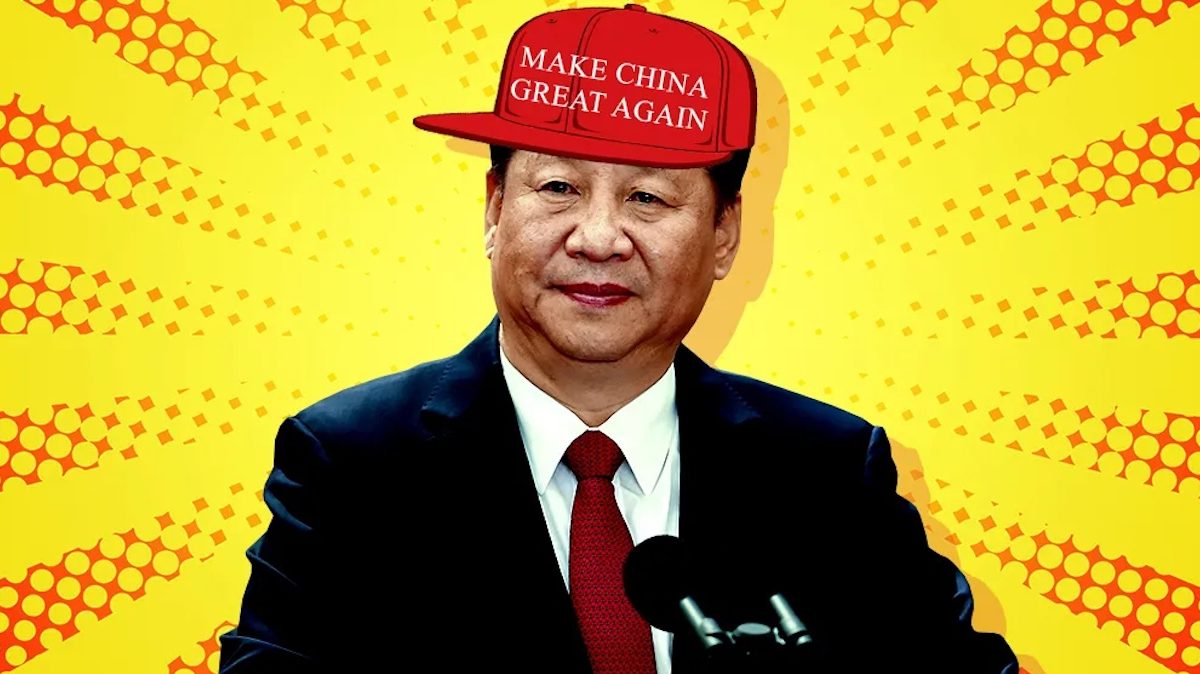
The phrase "national reunification" stands out. For years, Beijing's standard appeal to overseas Chinese has centered on "national rejuvenation"—a broad, uncontroversial goal tied to economic development and cultural pride. Reunification, by contrast, is a direct reference to Taiwan, and it carries a political weight that many in the diaspora have long preferred to avoid.
The state-run Global Times highlighted the wording, prompting some readers to double-check whether it was a typo. But the official CPPCC announcement was unambiguous: Xi urged "sons and daughters of China at home and abroad to unite and strive" to achieve a "united and unified Chinese nation."
For many overseas Chinese, especially those who have built lives in the United States, this is an uncomfortable ask. The American dream—respectable careers, suburban homes, children in elite schools—has been the reward for decades of hard work. Yet the political climate in the U.S. has soured, with culture wars and partisan gridlock dominating public life. Some in the diaspora quietly wonder whether their parents' decision to emigrate was the right one, even as they enjoy the material comforts of their adopted country.
The contrast is sharp for those who return to China for visits. A professor of materials science at a mid-tier American university might find himself hosted by a former classmate who stayed behind, now a senior manager at BYD or a mid-level official in Beijing. The once-struggling roommate now drives a NIO ET9 and puts the professor up in a suite far beyond his usual budget. The banquet circuit, once a chance to showcase American academic prestige, now feels like a minor-league affair.
This dynamic is not lost on Beijing. The diaspora has historically been a source of capital, expertise, and soft power. After 1949, hundreds of thousands of overseas Chinese returned to help build the new People's Republic, founding schools and industries. Today, the call is different: Beijing wants the diaspora to actively support its political goals, not just its economic ones.
The shift comes at a time when U.S.-China relations are fraught, and Washington's approach to Beijing has been marked by tariffs and technology restrictions. Some analysts see Xi's appeal as an attempt to mobilize the diaspora as a political asset, particularly as the Taiwan issue becomes more salient. Others view it as a natural extension of Beijing's long-standing position that Taiwan is an inalienable part of China.
For many overseas Chinese, the request is a dilemma. They are proud of their heritage and eager to contribute to China's rise, but they are also citizens of their adopted countries, with loyalties that cannot be split. The phrase "national reunification" forces a choice that many would rather defer. As one diaspora observer put it, the strategy has long been "I'll be gone, you'll be gone"—hoping the issue fades before it demands a personal commitment.
Beijing's message, however, is clear: the era of ambiguity is over. The diaspora is being asked to take sides, and the stakes are higher than ever.