For those of us who track the war in Ukraine, deciding how to frame a weekly summary is often a challenge. There are always multiple threads to pull: the intensifying ranged bombardments, the Ukrainian counteroffensive near Lyman, or the unresolved question of how to deal with the incoming Trump administration. This week, however, the framing was decided for me. I simply followed Volodymyr Zelensky's own tweets.
Over the past few days, Zelensky and his team have been unusually prolific on social media, posting at a pace I have not seen before. The topics ranged from his visit to Canada to air defense, ranged strikes, and the resumption of grain shipments through the Black Sea. But more than the volume, it was the content that stood out. These tweets were not just updates; they were a carefully constructed narrative—a mix of messages to the Ukrainian people, pleas to international partners, and signals to the Kremlin. Zelensky, it turned out, had already written the week's summary better than I could.
A brutal autumn on the horizon
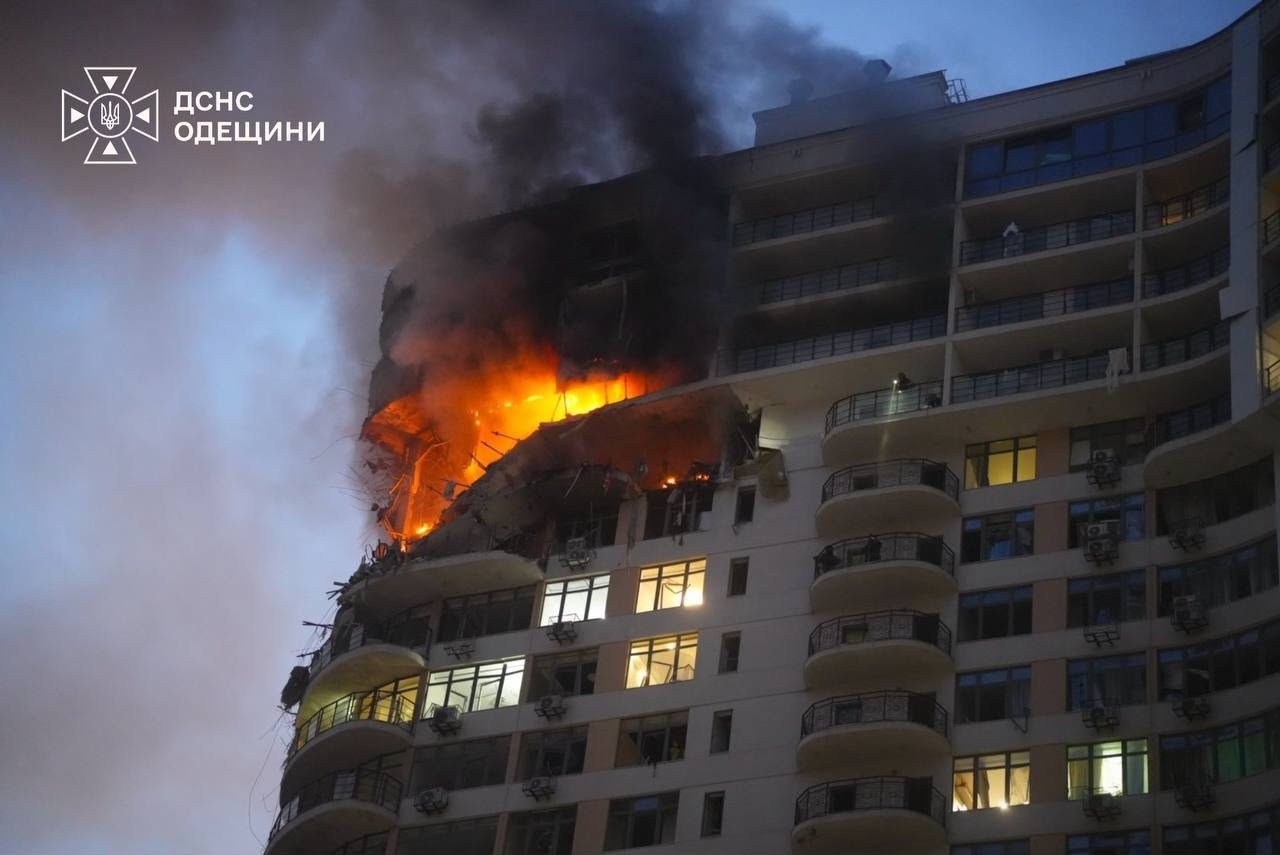
Last week, I noted that the ranged war would become extremely brutal this fall and winter. That prediction is already being borne out. Kyiv is under near-constant bombardment, day and night. In Odesa, a Russian missile struck an apartment building, injuring 37 people, with rescue operations ongoing. Zelensky's tweet about the attack was aimed at both his citizens and Ukraine's allies, carrying an implicit warning: if Russia is allowed to continue this level of destruction without a proportionate response, Ukraine will escalate.
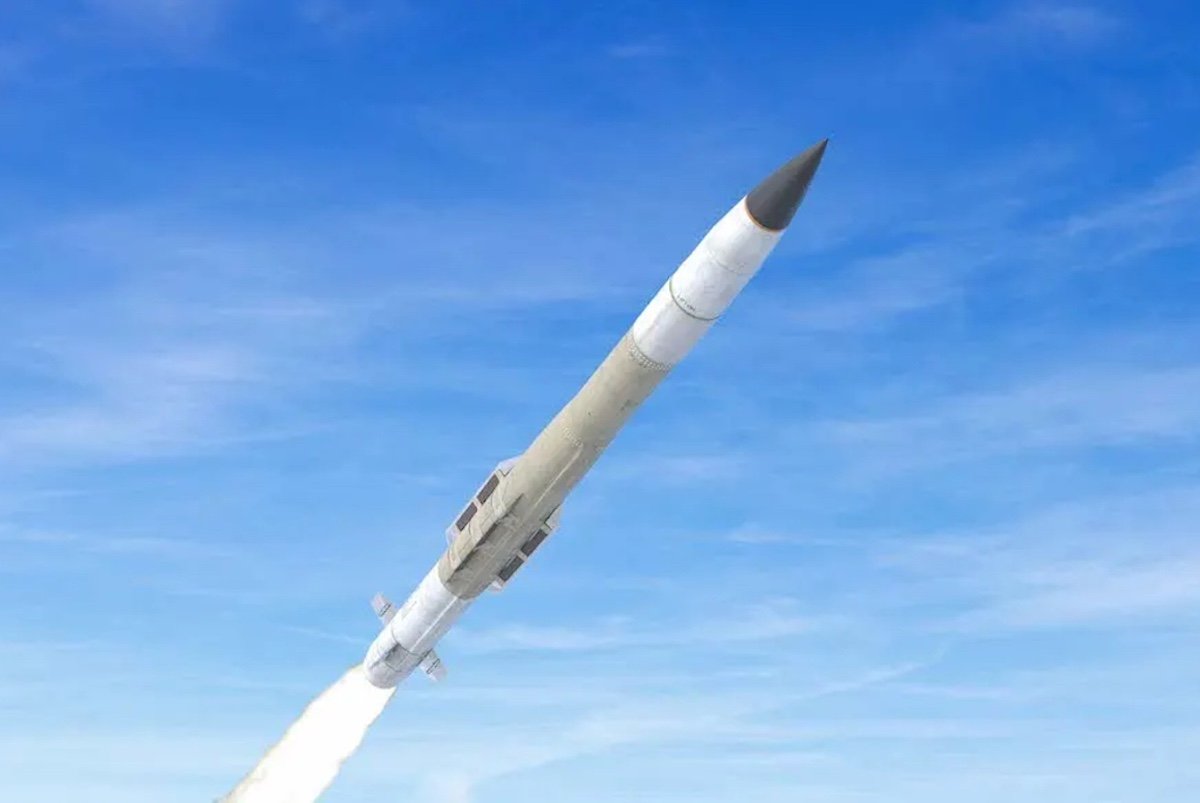
The asymmetry is stark. Russia has the advantage of launching ballistic missiles that Ukraine struggles to intercept, and it has scaled up production of jet-powered Geran drones, which are cheaper and can be sent in mass waves. This development has caught the attention of Eric Schmidt, the former Google CEO, who wrote in the Washington Post that Ukraine's current interception capabilities cannot match what is coming. The numbers are the problem: if Russia can produce these systems at scale and Ukraine cannot, the result will be extreme brutality, with attacks on individual gas stations and office windows.
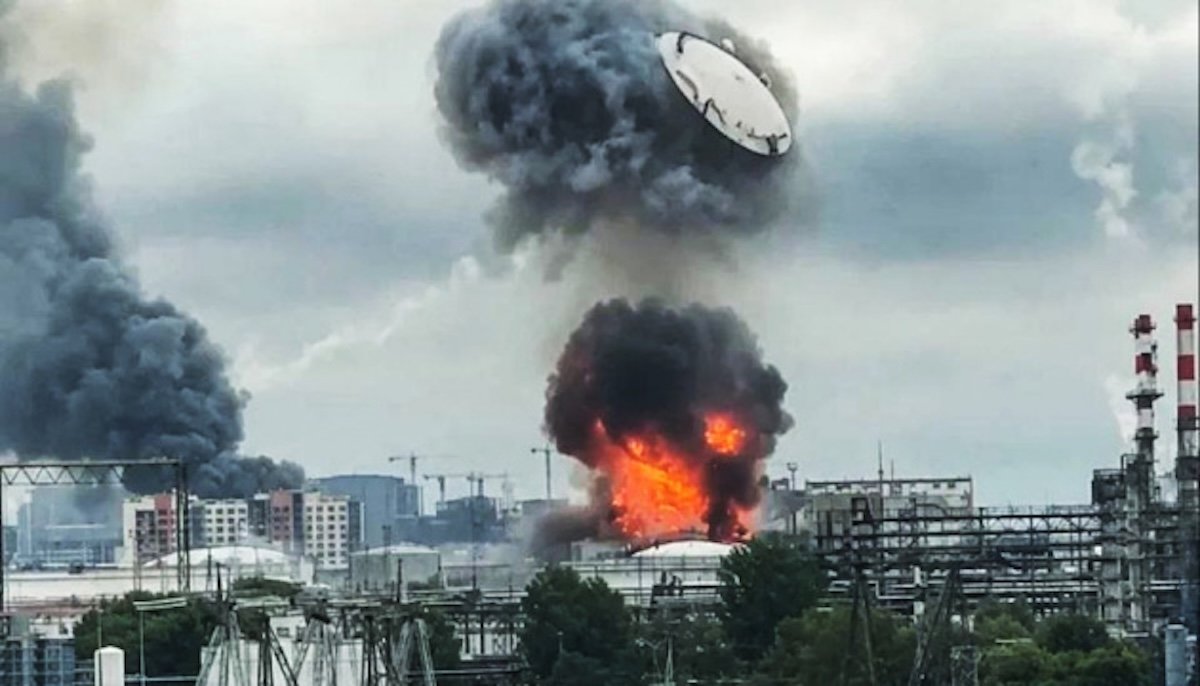
Zelensky has acknowledged this challenge. In a tweet on September 11, he made an open threat: if Russia strikes Ukraine's energy system this winter, Russia will receive the same in return. This is not idle talk. Ukraine has been extending the range of its own strikes, hitting targets deep inside Russia, including chemical industry enterprises in the Perm and Samara regions, and an FPV drone production facility in Taganrog. The message is clear: Ukraine can and will respond in kind.
This is a spiral of escalation. Both sides are improving their ability to strike at range, and both are struggling with air defense. The war is becoming more brutal, and the winter will only make it worse. For Ukraine, the choice is stark: either its partners step up with more effective air defense systems, or it will be forced to rely on its own long-range retaliation to deter Russian attacks.
Zelensky's tweets also serve as a diplomatic tool. By publicly framing the war's realities, he is putting pressure on allies to deliver on their promises. The recent visit by Witkoff and Kushner to Kyiv, which signaled tougher US terms, only adds to the urgency. Ukraine's fate may be decided in Washington and Moscow, but Zelensky is determined to shape the narrative from Kyiv.
As the war grinds on, the world is watching. The question is not whether Ukraine can survive the winter, but at what cost. And Zelensky, through his tweets, is making sure that cost is visible to everyone.