The closure of the Strait of Hormuz earlier this year, following the outbreak of war involving Iran, cut off roughly one-fifth of the world's liquefied natural gas supply almost overnight. Because about 90% of the LNG transiting that chokepoint is destined for Asia, the region bore the brunt of the shock. Gulf producers have scrambled to respond—Saudi Arabia cut prices for Asian customers—but buyers are now actively seeking alternatives, and Africa is emerging as a key hedge.
African projects ramp up
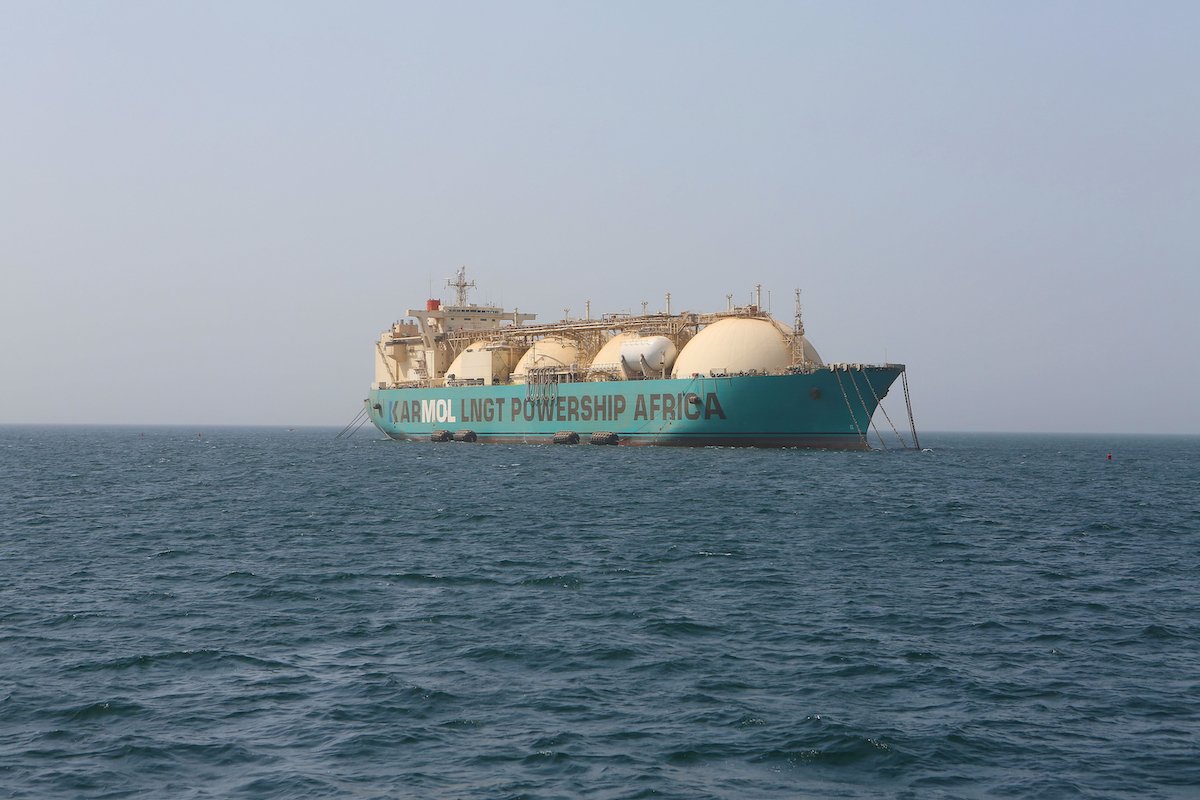
Africa's LNG capacity has been building for years, and several new projects are coming online. In Mozambique, output could jump from 3.7 million tons per year to 18.6 million tons when ExxonMobil's Rovuma LNG project starts up in 2031. TotalEnergies is also expanding its LNG trains in the country. Nigeria's Train 7 is over 90% complete and will add another eight million tons annually. The Greater Tortue Ahmeyim project, shared by Mauritania and Senegal, shipped its first cargo in April 2025, opening a new Atlantic-side source. Smaller developments in Congo and Gabon are underway, while Tanzania could eventually rival Mozambique in output.
This expansion is not just about volume—it's about geography. East African gas has a direct sea route to Asia across the Indian Ocean, while West African cargoes can be directed to either Europe or Asia, depending on prices. That flexibility is exactly what Asian buyers want as they seek to reduce reliance on the Gulf. According to Rystad Energy, Africa holds about 20% of global LNG capacity, roughly 93 million tons a year, and S&P Global projects African production could nearly double by the end of the decade.
Traders are building the bridge
Commodity traders are at the center of this rerouting. Firms like Trafigura, Gunvor, BGN Group, and Hartree Partners have established footholds in African supply markets, from Nigeria to Morocco. BGN, for instance, has become a preferred supplier of LPG and gasoline in Egypt and has signed a contract to procure 160 LNG cargoes through 2026. Its supply comes from Morocco, where it operates fuel terminals at three sites. BGN has also moved early to serve Asian demand, forming a shipping venture with South Korea's HMM and chartering a dual-fuel VLGC from Japan's IINO Lines—a vessel that can run on LPG or conventional marine fuel.
These arrangements are reshaping supply chains in practice, extending Africa's gas network to Asia and the Pacific. For East Asian economies like Japan and South Korea, which have long been vulnerable to Gulf disruptions, this diversification is a strategic imperative. Japan, in particular, has been pushed to take charge of its energy security after the Hormuz crisis exposed its dependence on Middle Eastern supplies.
Challenges remain
Africa's own growing appetite for gas could eventually eat into exports. African LNG exports rose 27% in the first quarter of 2026, but domestic demand is growing at roughly 3% annually, outpacing production growth of about 1.3%, according to the International Energy Agency. Egypt, once a major exporter, became a net importer again in 2024 despite significant discoveries since the Arab Spring. Logistics also remain a hurdle—building regasification terminals and pipelines across the continent is a slow, capital-intensive process.
Still, African suppliers are broadening Asian buyers' options and helping to lower prices. They are fast becoming a dependable link between Atlantic and Pacific markets. For Asia, that may matter more in the long run than any eventual ceasefire in Hormuz. As the centuries-old contest for Hormuz and Bab el-Mandeb continues, the shift toward African LNG represents a structural change in global energy trade—one that gives Asian importers a new layer of resilience.