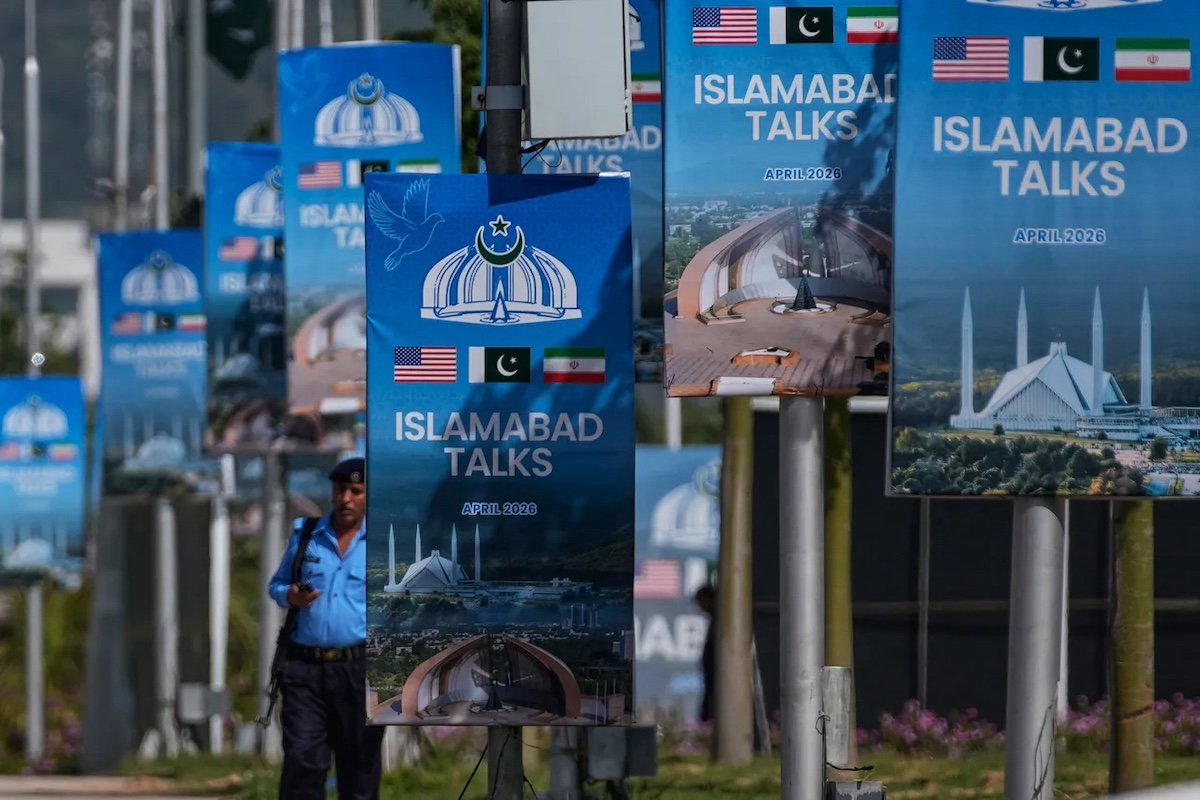
For months, the Strait of Hormuz and the Bab el-Mandeb have been in the headlines as flashpoints of geopolitical rivalry. These narrow waterways, linking the Arabian Sea and the Red Sea to the Indian Ocean, carry a significant share of global maritime trade. Whoever controls them holds a strategic lever over the world's economy.
But this contest is not new. The current standoff between Washington and Tehran is the latest in a centuries-long series of attempts by outside powers to dominate the Middle East by sea. From the fleets of Ming China to the gunboats of imperial Britain, the pattern is remarkably consistent.
Zheng He's peaceful projection
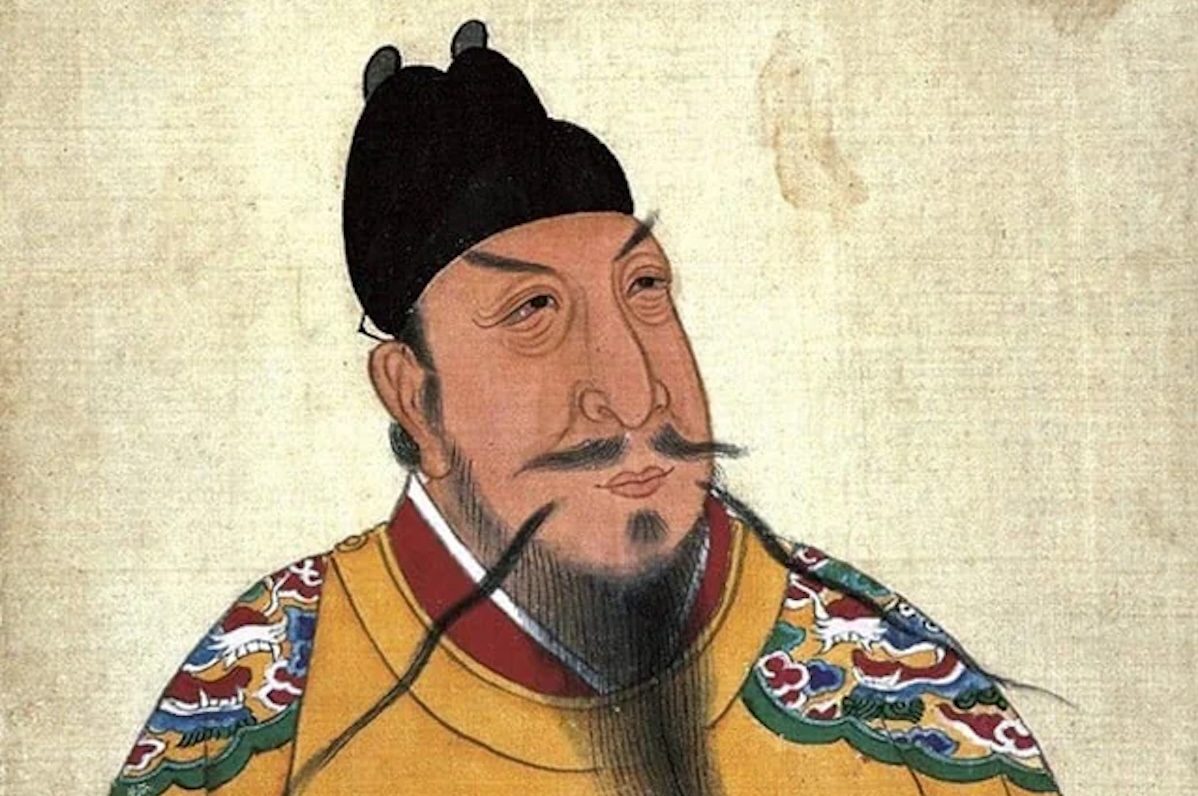
One of the earliest examples of an extra-regional power projecting naval strength was Ming China. In 1405, the Muslim admiral Zheng He set out on the first of seven expeditions across the Indian Ocean. With fleets of over 300 vessels, he reached Hormuz around 1414 and later Aden, passing through the Bab el-Mandeb into the Red Sea.
Unlike later colonial powers, Zheng He did not establish colonies. Instead, he built a trading presence through displays of naval power, diplomatic missions, and gift exchanges. He integrated into the existing commercial networks of Arab, Persian, Indian, and East African merchants. This Pax Sinica was based on cooperation, not conquest.
Yet the voyages also showed the limits of overextended maritime power. After Zheng He's final expedition in the 1430s, the Ming court shifted priorities and abandoned the fleet. The state was unwilling to fund the navy's upkeep, and the expeditions ended.
Today, Beijing invokes Zheng He's voyages to lend historical legitimacy to its ties with the Middle East. Chinese investments in ports like Gwadar in Pakistan are presented as a revival of an ancient, peaceful relationship along the Silk Road.
The Portuguese and the cartaz
The 16th century brought a more coercive form of maritime power. The Portuguese introduced heavily armed ocean-going ships and a system of permits. In 1513, Afonso de Albuquerque attacked Aden but failed to capture the fortified city. Naval superiority did not guarantee victory on land—a lesson later powers would also learn.
In 1515, Albuquerque seized Hormuz and imposed the cartaz, a paid permit for merchants to sail through the Gulf and the Indian Ocean. This regulation of trade is essentially what Iran's current tolls attempt to do. The Portuguese Pax Lusitana was more violent than its Chinese predecessor, and it was short-lived. In 1622, the Safavid dynasty of Iran and the English East India Company joined forces to expel the Portuguese from Hormuz.
British and Dutch rivalry
After Portugal's fall, a complex contest unfolded among Ottoman, Safavid, Omani, Dutch, and English forces. The Dutch East India Company entered the waters in 1614, establishing itself at Mokha in Yemen. They competed with British traders at Bandar Abbas, the principal Gulf port across from Hormuz.
The Dutch broke Yemen's monopoly on coffee by smuggling Arabica plants to Java, where they were cultivated on a massive scale. This demonstrated that control of production and trade could shift the balance of maritime power as effectively as cannons.
The British, however, gained the upper hand after capturing Aden in 1839. They signed agreements with local rulers in South Yemen, giving them de facto control over the Bab el-Mandeb. Aden became a coaling station and communications hub, linked to India by telegraph. When the Suez Canal opened in 1869, Britain dominated both chokepoints, securing the shortest sea route to its crown colony in India.
British hegemony relied on steam-powered warships, ports, loans, and treaties, often sustained by local proxies along the coast from Aden to Kuwait.
Lessons for today
After World War II, the United States replaced Britain as the dominant power in the region, using bases, carrier groups, and arms sales in exchange for Gulf oil. In 1980, President Jimmy Carter declared that any Soviet attempt to control the Gulf would be treated as an attack on American interests. That doctrine shaped US policy for decades.
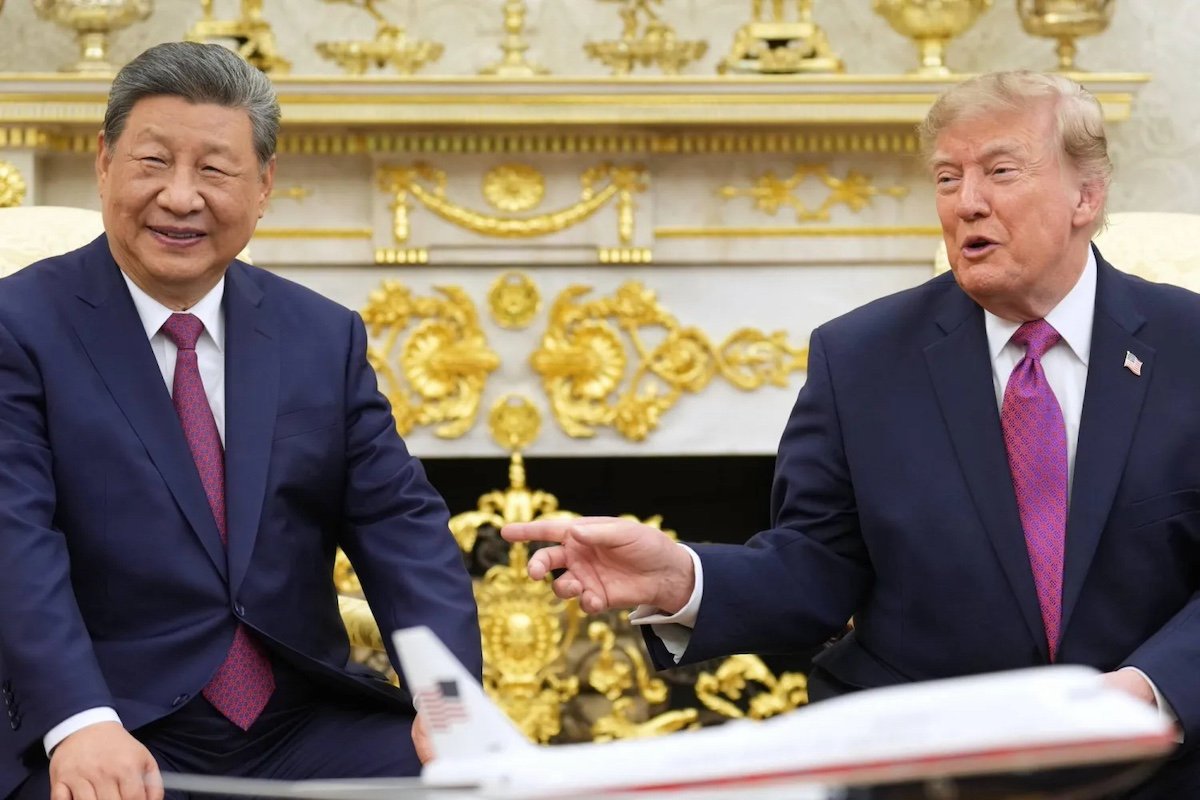
Now, under President Trump, that doctrine has been effectively dismantled. US naval vessels are in the strait to protect freedom of navigation, but it was Trump's February 2026 war that endangered shipping in the first place, prompting Iran to disrupt Gulf trade. The irony is stark.
The history of these straits offers a clear lesson: naval power alone does not guarantee control. Local rulers, production networks, and diplomacy have always mattered as much as warships. As the US and Iran face off, the region's long history suggests that the outcome will depend on more than just military might.
For Asia, the stakes are high. Japan, for instance, is rethinking its energy security in response to the crisis. And the oil buffer against Hormuz turmoil is nearly exhausted. The insurance shock has revealed the strait's real balance sheet. The contest over these chokepoints is far from over.