US President Donald Trump has publicly rejected Iran's proposal for a ceasefire and the reopening of the Strait of Hormuz, even as Tehran's top diplomat insists that only a negotiated solution can break the current deadlock.
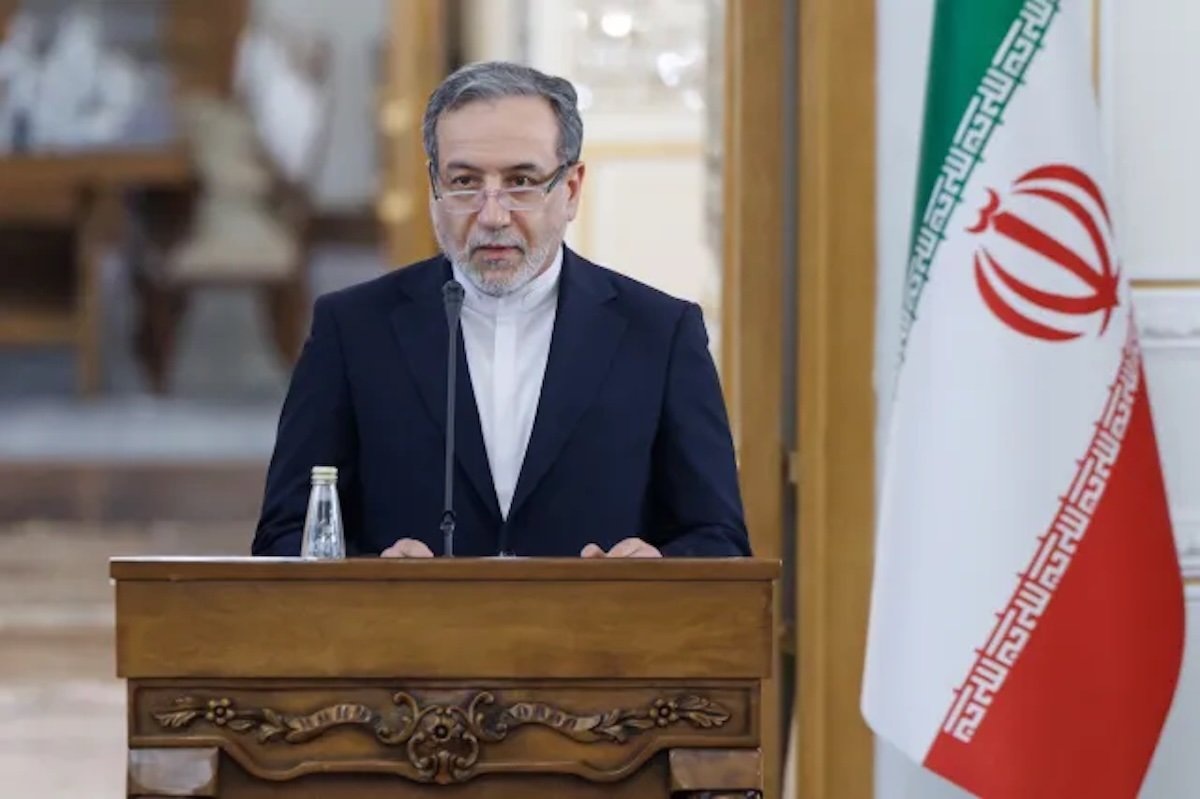
In a Sunday appearance on NBC's "Meet the Press," Iranian Foreign Minister Seyed Abbas Araghchi said, "There's always hope for diplomacy," but added that the United States has been an untrustworthy negotiating partner. He stressed that Iran is "fully prepared for the war to be resumed" and will "stand firm in the face of any new aggression, even if it comes to a doomsday war." At the same time, he said, "we stand ready for diplomacy. It is up to President Trump to choose."
The Iranian proposal, presented during President Masoud Pezeshkian's visit to the United Nations General Assembly in New York, is "essentially the same bargain" as the June deal but with a different sequence, according to Sina Toossi, a senior fellow at the Center for International Policy. Under the plan, the US would take concrete steps first, and only then would Iran ease its pressure on the Strait of Hormuz.
Trump, who launched the war despite his own intelligence agencies concluding that Iran was not pursuing a nuclear weapon, used his UNGA address to threaten to "annihilate" Iran. Over the weekend, he confirmed to journalists, "I'm rejecting their deal," adding that "they want to make a deal where they open the strait immediately because they're losing so badly... We're winning tremendously. We have total control of the Hormuz Strait."
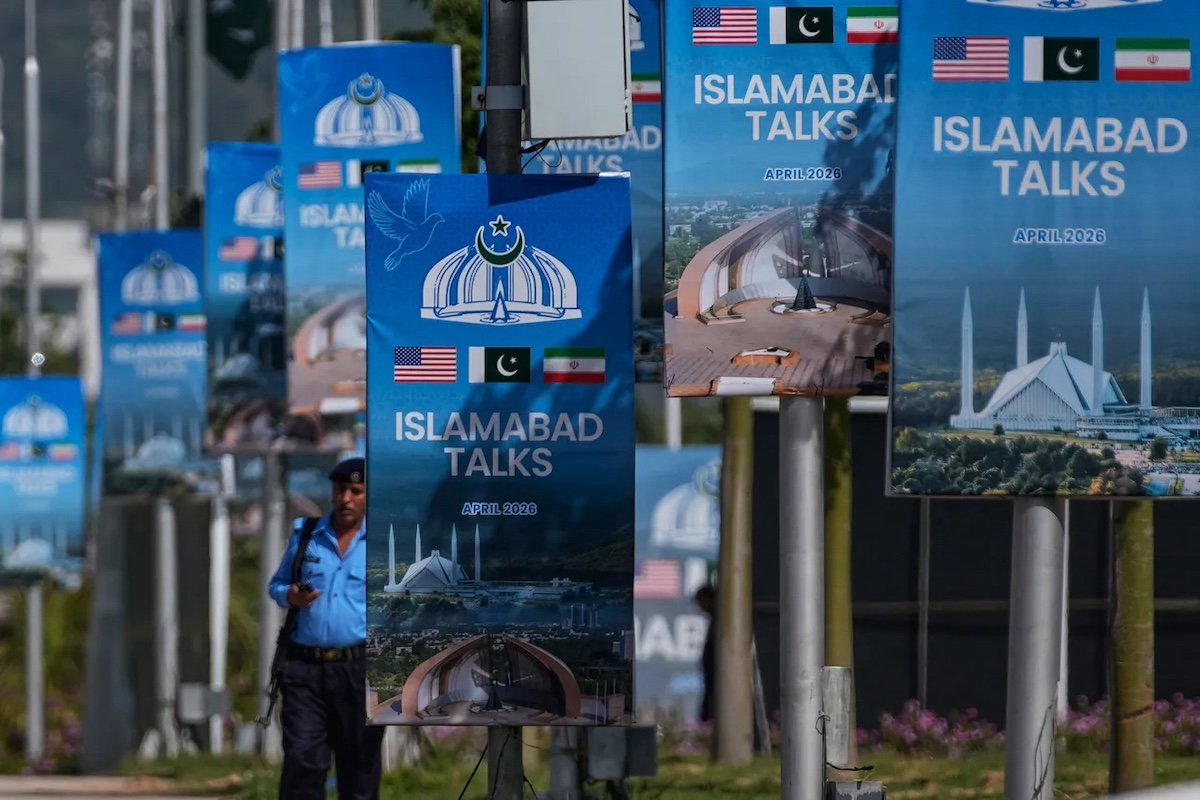
Despite the rejection, Axios reported that US officials claim "positive and constructive" discussions are still ongoing through mediators, including on nuclear issues. With Qatar's assistance, Trump envoys Steve Witkoff and Jared Kushner held a new round of indirect negotiations with Araghchi on the sidelines of the UNGA.
In a lengthy statement on Telegram, Araghchi said, "We have seen the first reaction from the US president, but nothing has been conveyed to us from the mediators yet." He noted that Trump has said "many contradictory things" and that Tehran is waiting for definitive opinions from the mediators. "Our conditions are clear; any progress toward the opening of the Strait of Hormuz is contingent upon the fulfillment of these conditions," he said. "Only a negotiated solution can get them out of this deadlock."
The commander-in-chief of Iran's army, Amir Hatam, warned that the war is at a critical stage and that Tehran would not accept a situation where it cannot trade while foreign powers use the region's strategic waterways. "If Iran cannot trade, if Iran cannot live, no one will be able to trade or live," he said, according to state media.
Domestic pressures mount
The war's economic impact is being felt in the United States, with soaring prices, particularly for diesel and gasoline. With midterm elections less than six weeks away, Trump's approval rating has hit a record low, and his Republican Party is struggling to hold its narrow congressional majorities.
Ryan Costello, policy director at the National Iranian American Council (NIAC) Action, criticized Trump's approach on social media: "Art of the deal. Attack Obama for negotiating a successful deal. Tear up the deal, say you'll get a better one. Start a war instead, blowing up the economy. Strike a deal to end the war, stick to it for a fortnight. Refuse to go back to the deal heading into the midterms."
NIAC Action has filed a federal lawsuit arguing that Trump's war on Iran, which lacks congressional authorization, is unconstitutional. Jamal Abdi, the group's president, declared that "no president should have the power to take this country into an indefinite war by himself." He added, "Congress never authorized this war. Yet Iranian families are being bombed, American service members have been killed, and communities on both sides are being forced to bear the consequences."
The standoff over the Strait of Hormuz has global implications, particularly for energy markets and for Asian economies that rely on Gulf oil. As the crisis deepens, the path to de-escalation remains unclear, with both sides seemingly entrenched in their positions.