The war with Iran has become a test of Donald Trump's credibility at home and his leverage abroad. Rising fuel prices and the conflict's toll contributed to the Republican defeat in the recent US midterm elections, giving the president a political incentive to find an exit he can sell as a win.
On November 9, Trump said he wanted to keep the war at "status quo," but warned that American forces were "locked and loaded" if circumstances changed. At the center of his dilemma lies a mountain near Iran's main nuclear complex—a target he has repeatedly threatened to destroy.
Pickaxe Mountain: a hard target
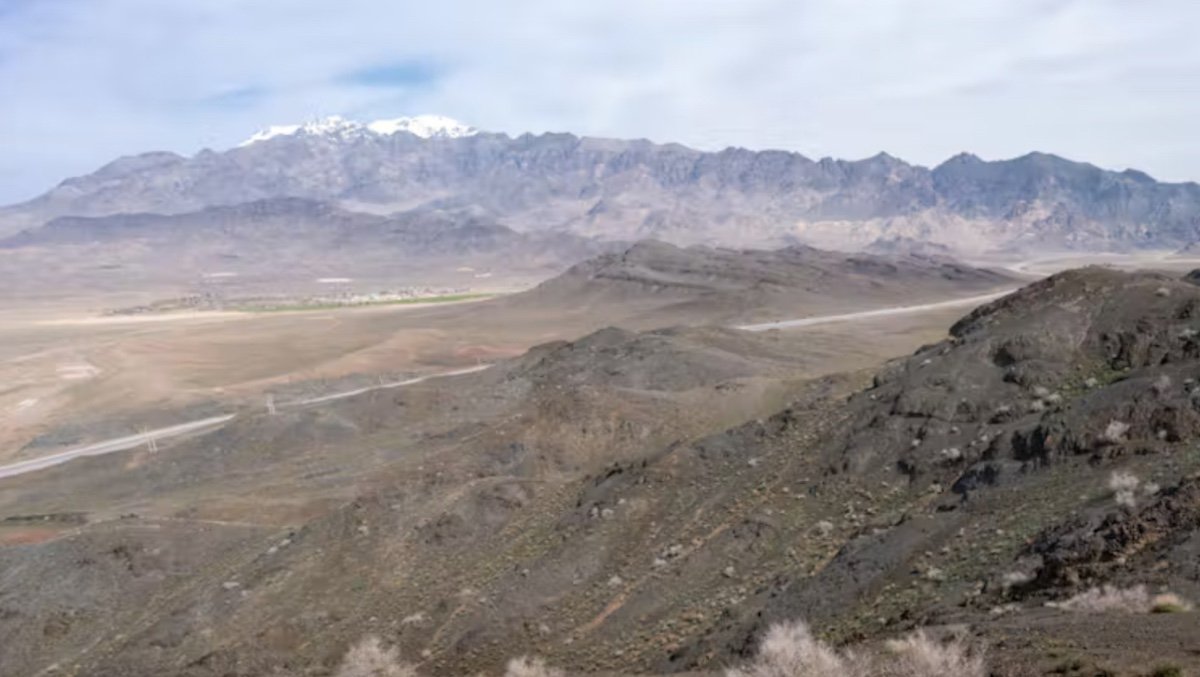
Pickaxe Mountain, known in Persian as Kūh-e Kolang Gaz Lā, is a 1,600-meter peak about a mile south of the Natanz nuclear facility in central Iran. Experts believe it hosts a nuclear facility, but it is thought to be far deeper than Natanz—between 80 and 100 meters underground, according to external estimates. That makes it significantly harder to destroy than other sites linked to Tehran's nuclear program.
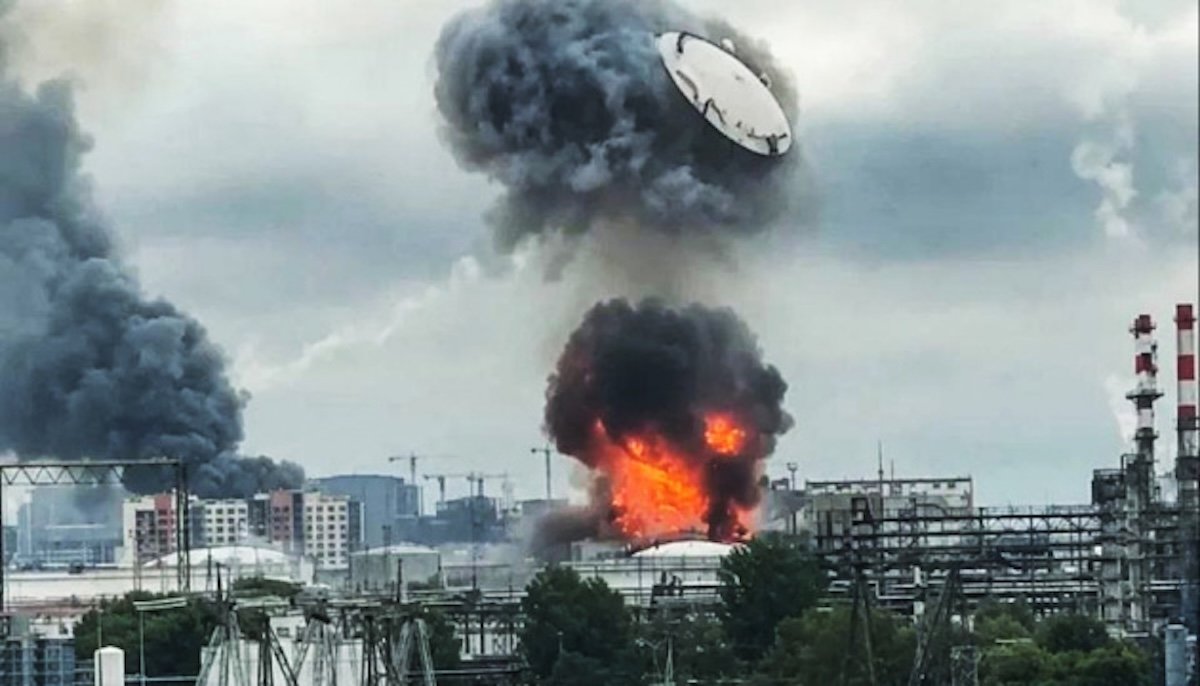
The decision to build at Pickaxe Mountain followed a series of explosions across Iran in 2020 that damaged alleged missile sites, power plants, and other facilities. One blast on July 2, 2020, hit a workshop at Natanz used for assembling centrifuges—containers that enrich uranium for civilian power or, potentially, weapons. In September of that year, the head of Iran's Atomic Energy Organization said the replacement would be built "in the heart" of the mountain.
The Trump administration's concern is that Pickaxe Mountain could shelter centrifuges capable of enriching uranium to weapons-grade levels, or support other nuclear weapons work. Israeli intelligence assessments, cited in press reports, claim Iran moved centrifuges and related equipment into the tunnels. Satellite images show continued construction and reinforced entrances, but the interior's contents remain publicly unverified.
An assessment by the Center for Strategic and International Studies in September found increased activity at the site during 2026, though analysts have not confirmed that centrifuges are actually there. Calls for nuclear weapons and a test in Iranian media, along with speculation about Mojtaba Khamenei's willingness to approve a shift toward nuclear deterrence, have added to concerns.
Why attacking is so difficult
The mountain's protection comes from its dense granite. The depth estimate of 80–100 meters is drawn from external evidence; detailed plans have never been published. America's largest conventional bunker-buster, the GBU-57, was used against Fordow and Natanz in June 2025, but its performance against Pickaxe Mountain remains uncertain. Penetration figures for earth tell us little about how the weapon would fare through solid rock.
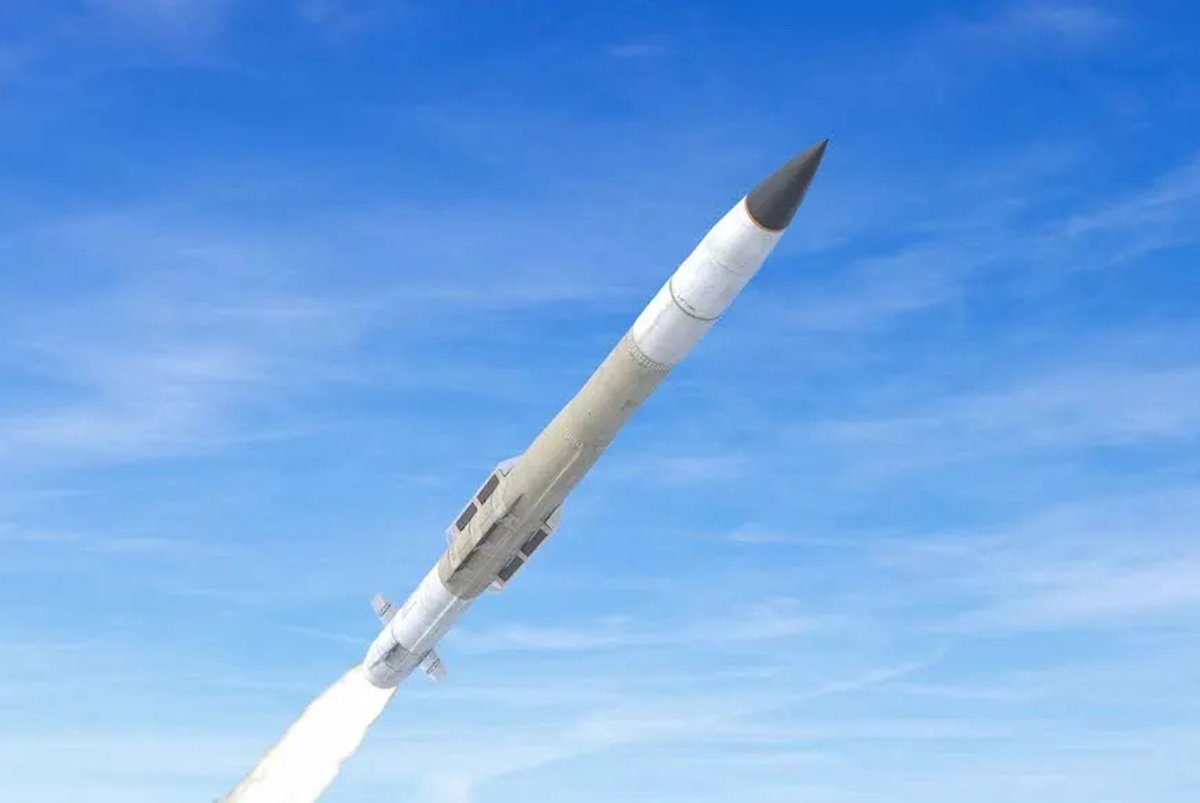
The B-2 Spirit stealth bomber is the only operational aircraft certified to carry the GBU-57. The Trump administration could try to interrupt access and operations without reaching the deepest halls, targeting entrances and external infrastructure. Such attacks could delay work, but equipment buried deeper might survive.
This creates a problem after the bombing stops. Satellite images can reveal a collapsed entrance, but establishing what happened far underground is much harder. A president could announce a successful operation while inspectors and analysts remain unable to verify its effect on Iran's capabilities.
A strike as an exit strategy
Pickaxe Mountain offers Trump a target around which he could build a victory speech. After a politically costly war, a strike would let him claim he had dealt with Iran's remaining nuclear threat and could bring American operations to an end: damage the facility, declare victory, and withdraw.
That calculation is also being discussed inside Iran. One possible course would be to let Trump claim victory and avoid retaliation so the war could end. Claims that the Trump administration had requested such an arrangement have circulated, but Iran's foreign ministry dismissed them and insisted that any attack would receive a response.
There could be an opportunity for Tehran. If underground equipment survived and Trump accepted visible damage as grounds to leave, Iran could preserve capabilities while allowing the White House to claim success. The mountain could become a useful lure.
Yet evidence that Iran has deliberately prepared such an outcome remains thin: construction began years before this confrontation. Reinforcing the site may simply reflect a long-standing desire to protect its nuclear program, not a tactical ploy.
For Trump, the temptation is clear. A strike on Pickaxe Mountain could provide a face-saving exit from a war that has hurt him politically. But the risk is that he declares victory based on visible damage, while the real capability remains intact underground—leaving the region with a false sense of security and a nuclear program that continues to advance.