For those tracking the war in Ukraine, the past week has offered a mixed picture: tactical gains on the battlefield, but a worrying strategic trend that could shape the conflict's outcome.
The Ukrainian Third Army Corps, one of the country's most effective units, has been at the forefront of the Vivaldi counteroffensive around Lyman in Donetsk Oblast. Its recent social media posts have provided a rare glimpse into how the war is evolving—specifically, the growing role of machines in combat.
Ukraine is increasingly relying on unmanned systems to preserve its manpower. This is not a recent improvisation but a long-planned response to the realities of a grinding war. While some American and European analysts urged Ukraine to mobilize all its young people, Kyiv instead invested in technology. The result is an "army of robots," as Deputy Prime Minister Mykhailo Fedorov recently described it.
Robots on the front lines
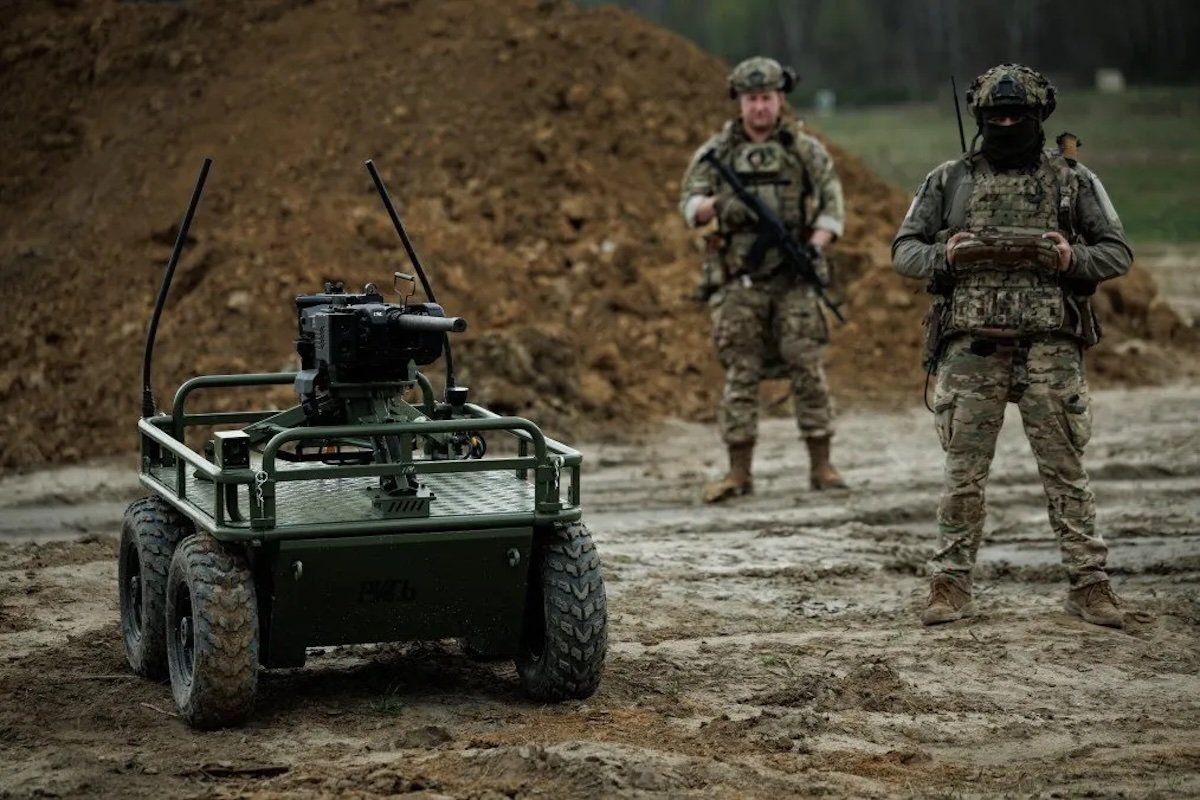
Fedorov's vision includes humanoid robots in trenches, but the present is already striking. On September 20, Ukrainian forces combined unmanned aerial vehicles (UAVs) and unmanned ground vehicles (UGVs) in a novel operation: drones air-dropped small robotic vehicles behind Russian lines to sow chaos and target enemy soldiers. The Third Corps commander emphasized the lifesaving intent: "Infantry wins wars, but we protect our infantry, so robots go to the enemy first."
This mechanization extends to mine-clearing, casualty evacuation, and supply runs. Ukrainian units claim to have cleared 30 kilometers of roads in two days using UGVs without a single loss. While exact numbers are hard to verify, the trend is clear: machines are taking over the most dangerous tasks.
The impact on the Vivaldi offensive is tangible. Ukrainian forces have reportedly pushed Russian troops out of Lyman, and even Russian military bloggers—often more pessimistic about Ukrainian progress—show deeper advances north of the city. The shift to robotics is not just a tactical choice; it is a strategic necessity to conserve lives in a war where every meter costs dearly.
Yet the good news on the front is tempered by a more ominous development. Russia's most effective campaign is not its land offensive or its indiscriminate bombing of civilians, but its long-range strikes on Ukraine's economic and productive infrastructure. These attacks are eroding the country's ability to sustain the war effort, and they are being enabled, in part, by US policy.
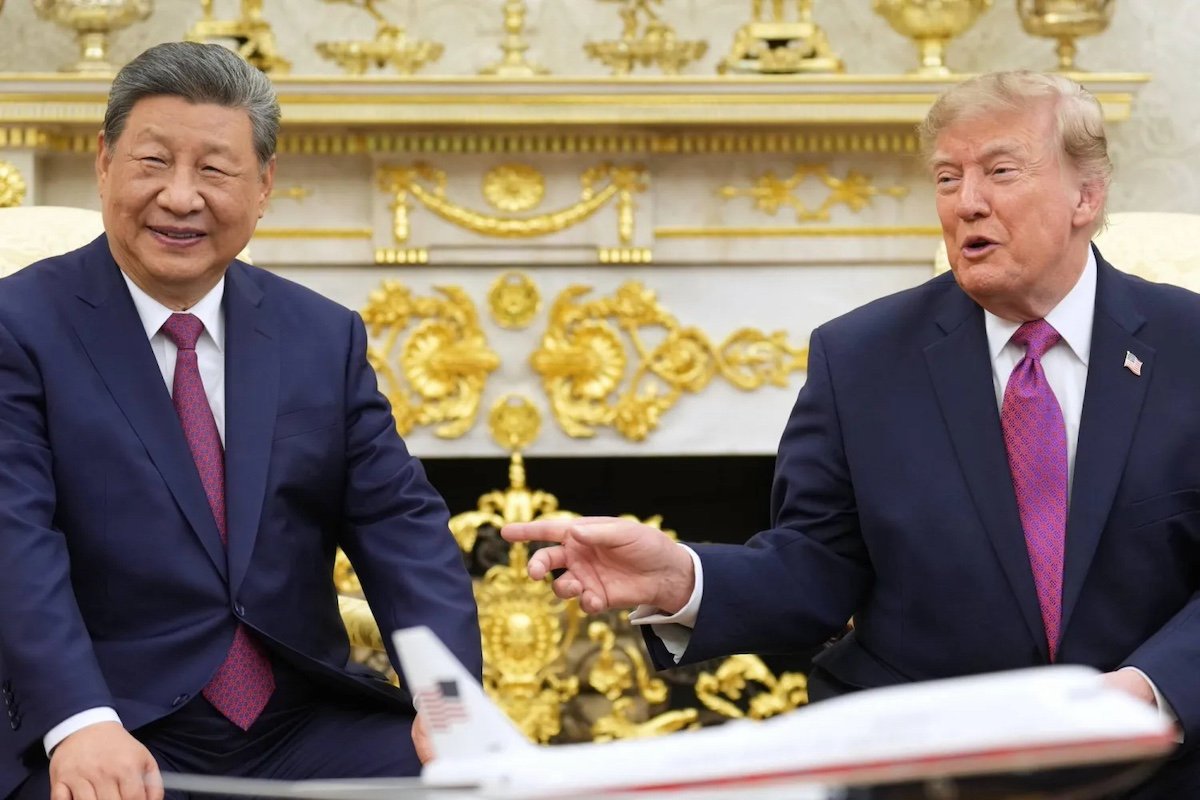
President Donald Trump has told Ukrainians they must settle with Vladimir Putin, even as he invited the Russian leader to the G20 summit in the United States. Trump also undercut Ukraine after President Volodymyr Zelensky claimed he had a "final" promise for a license to build Patriot interceptors. The mixed signals from Washington have left Kyiv in a precarious position.
As Ukraine adapts with robotic warfare, the broader strategic picture remains fraught. The war is entering a phase where technological innovation on the battlefield may not be enough to counter the economic attrition Russia is inflicting. The coming months will test whether Ukraine's robot army can offset the damage to its industrial base—and whether its allies will provide the support needed to survive the winter.