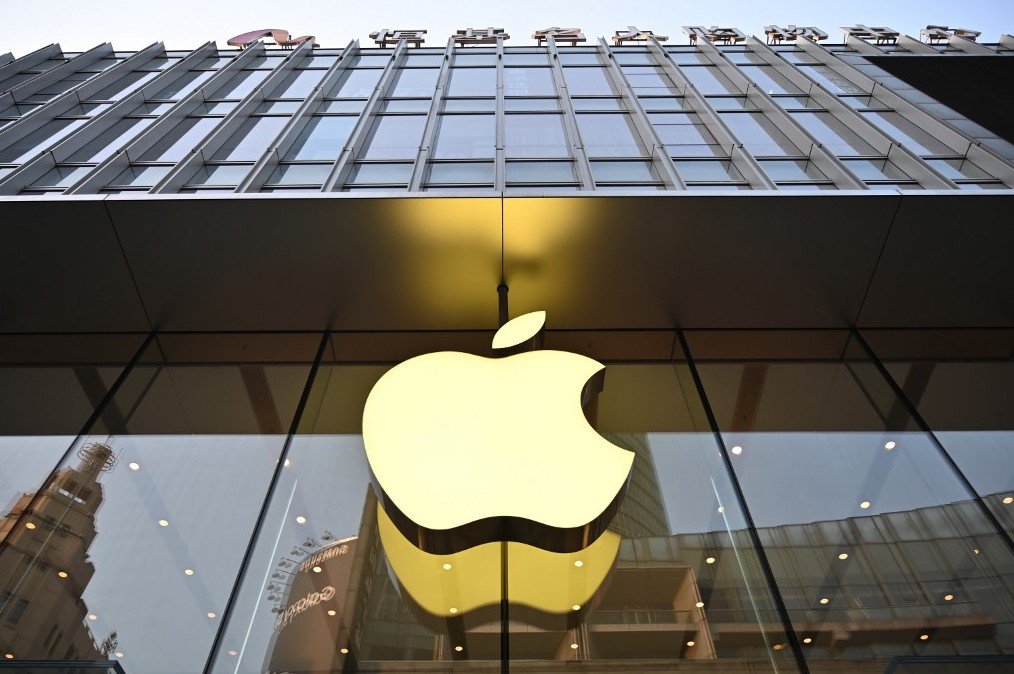
Apple is set to unveil a suite of new products and services this week, strategically shifting focus to its wearable devices and subscription bundles to drive growth during the critical year-end shopping season. The event, teased with the cryptic tagline "Time Flies," is expected to highlight updates to the Apple Watch, iPad, and possibly Mac computers, rather than the flagship iPhone.
Analysts note this approach is partly necessitated by pandemic-related disruptions to the supply chain, which have delayed the launch of a keenly anticipated 5G-capable iPhone. This model is considered vital for Apple's fortunes, particularly in Asian markets where next-generation networks are already widespread. The company's shares have slipped more than 7% this week, trimming its market valuation from a record $2.3 trillion to approximately $1.92 trillion, though it remains Wall Street's most valuable firm.
Holiday Lineup Leans on Ecosystem
The immediate strategy centers on reinforcing Apple's ecosystem of devices and services. Analysts anticipate a new iPad with enhanced augmented reality capabilities and a potential bundled subscription offering for services like Apple Music, News+, and TV+. For the Apple Watch, software updates already hint at new sleep tracking and health monitoring features.
"There is competition in the smartwatch space, but Apple is the sales leader by a large margin and there is room for Apple to build on its lead," said Avi Greengart, lead analyst at Techsponential. He highlighted the transformative potential of non-invasive blood glucose monitoring, a feature Apple has acknowledged developing. "It would be enormous if they could pull that off."
Analyst Patrick Moorhead of Moor Insights and Strategy emphasized the core business logic: "The key part for Apple is to keep the base of iPhone users and sell them a ton of accessories like AirPods and get services." This ecosystem lock-in is a cornerstone of the company's resilience.
The 5G Imperative in Asia
The delayed 5G iPhone reveals the geographic pressures shaping Apple's roadmap. While U.S. telecom carriers are awaiting Apple's device to accelerate their own network investments, the commercial urgency is greatest in Asia.
"Apple absolutely needs 5G right now," Greengart stated. "Not for the US, but for China where 5G is driving purchase decisions." Chinese consumers are already adopting 5G at a rapid pace, with domestic rivals like Huawei and Xiaomi offering advanced models. China's lead in 5G deployment creates a market dynamic Apple cannot ignore. As analyst Moorhead noted, "5G is happening in China with or without Apple; in fact more 5G phones than non-5G phones are selling in China."
Beyond China, South Korea also boasts a mature 5G network, making the region a critical battleground for premium smartphone sales. Apple requires a competitive 5G device to maintain its premium brand image globally and defend its significant market share in these key economies. The company's reliance on Asian manufacturing and consumers underscores its deep ties to the region, akin to the geopolitical factors influencing other global supply chains, such as those in fusion energy.
Bob O'Donnell, chief analyst at Technalysis Research, suggested the separate iPhone event will likely be scheduled closer to the actual product availability: "Because of all the supply chain rumors saying the iPhone is running a little late, they will want to announce it closer to the launch date."
Financial and Competitive Landscape
Apple's current market position, while strong, faces headwinds. The dip in its stock price reflects investor anxiety over the iPhone delay and broader economic uncertainty. However, the company's financial health, bolstered by its services and wearables divisions, provides a buffer.
In a report to investors, Baird senior research analyst William Power pointed to the strength of Apple's "ecosystem" due to its wearables, services, and the potential of the forthcoming 5G iPhone. This diversified revenue stream is increasingly important as hardware sales face volatility.
The competitive tech landscape also involves financial pressures on other innovators, as seen in the significant losses reported by OpenAI despite revenue growth. For Apple, the immediate challenge is to generate holiday momentum without its main product, while preparing for a high-stakes 5G launch that will test its appeal in its most crucial overseas markets.