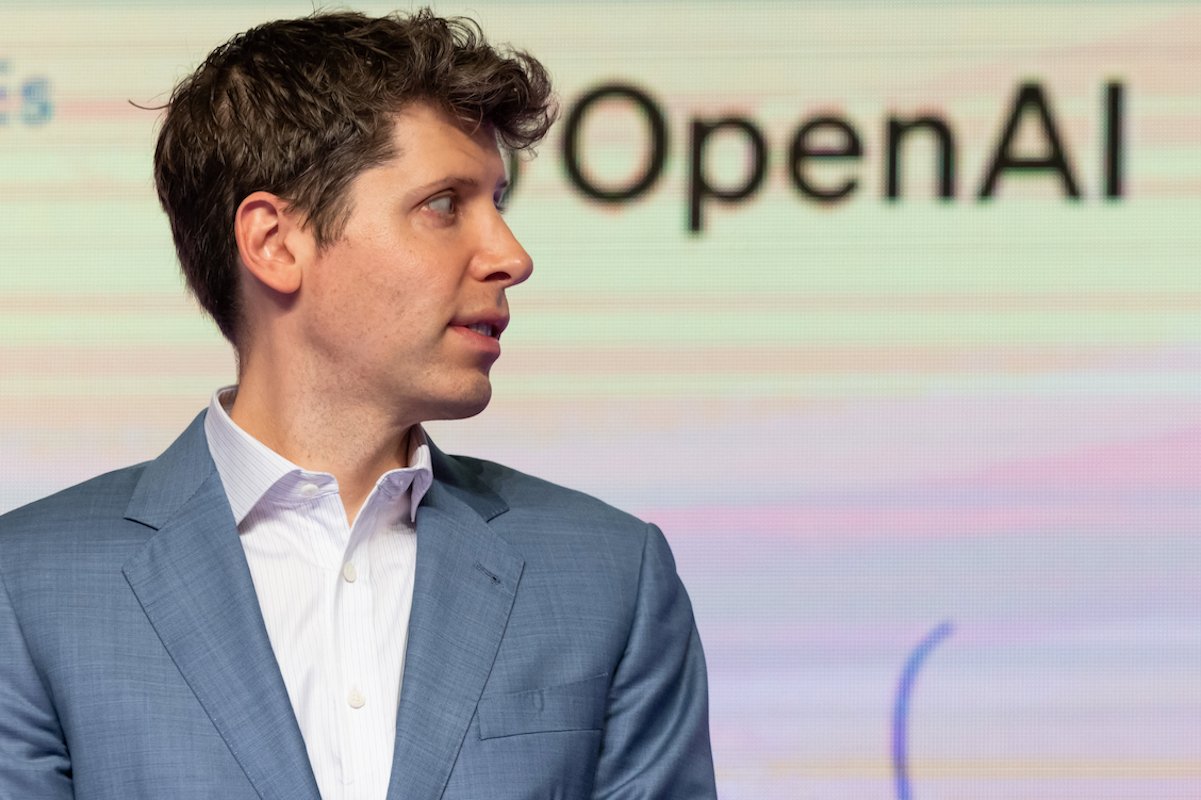
OpenAI, the artificial intelligence research laboratory behind the ChatGPT phenomenon, is preparing for an initial public offering this year. This move marks a significant departure from its original non-profit, public-benefit mission toward a market-oriented structure. Founded in 2015 by Sam Altman and Elon Musk, the organization initially aimed to develop artificial intelligence safely and distribute its benefits broadly, distinguishing itself from proprietary models pursued by tech giants like Google and Microsoft.
The Cost of Generative AI
The shift toward commercialization became inevitable due to the staggering economics of generative AI. Unlike conventional software, where replication costs approach zero, each AI query consumes substantial computing resources. A single ChatGPT interaction costs between one and ten cents, while generating a high-definition image can cost ten to twenty cents. These micro-costs become monumental at the scale of billions of daily queries, requiring massive infrastructure investments.
This infrastructure relies heavily on specialized Graphics Processing Units (GPUs), primarily from suppliers like Nvidia. These chips, costing tens of thousands of dollars each, must run continuously in vast data centers. OpenAI, like its competitors, depends on tens of thousands of these units. Industry estimates suggest necessary investments will reach hundreds of billions of dollars by the end of this decade, forcing the organization to abandon its purely non-profit model in 2019 for a hybrid structure to attract capital.
Revenue Growth Masks Structural Losses
The launch of ChatGPT in late 2022 dramatically accelerated OpenAI's trajectory, attracting 100 million users within two months and surpassing 900 million weekly users by early 2026. Revenue skyrocketed from approximately $200 million in 2022 to over $10 billion in 2025. This growth is fueled by a multi-stream business model including individual subscriptions, enterprise licenses, API usage fees, and strategic partnerships, notably with Microsoft's Copilot integration.
Despite this revenue surge, OpenAI remains deeply unprofitable. Reports indicate that in the first half of 2025, the company generated about $4.3 billion in revenue but recorded losses between $7 billion and $13 billion—averaging over $2 billion in losses per month. Cumulative losses from 2024 through 2029 could exceed $140 billion. The core issue is that every user interaction incurs a direct cost, while the company must also fund enormous research and development expenditures, which reached nearly $16 billion in 2025 alone.
The Talent War and Asian Competition
Human resource costs represent another massive financial drain. Base salaries for top AI researchers range from $250,000 to $700,000 annually, with total compensation frequently exceeding $1 million when including stock and bonuses. In competitive cases, annual packages can surpass $10 million. This intense competition for talent is global, with Asian tech hubs like Beijing, Shanghai, Bangalore, and Tokyo also driving demand. Companies across Asia, from China's Baidu and Alibaba to Japan's SoftBank and South Korea's Naver, are investing heavily in AI, creating a worldwide bidding war for expertise.
The financial strain has led some analysts to suggest OpenAI could face bankruptcy as early as 2027 if current trends continue. The company has relied on massive external financing to cover losses, raising approximately $58 billion since inception, including over $13 billion from Microsoft. A 2025 funding round reportedly added $40 billion, and a March 2026 round involving Amazon, Nvidia, and Japan's SoftBank raised $122 billion, valuing the company at $852 billion. Yet even these colossal sums may be insufficient given the ongoing cash burn.
The situation underscores broader questions about the sustainability of the generative AI business model. As the technological race intensifies, with significant US and China competing to build strategic technology supply chains, the pressure on all players to secure capital and talent will only increase. The immense costs also highlight how the AI revolution is reshaping global capital flows, with implications for investors and policymakers worldwide.
For the Indo-Pacific region, OpenAI's challenges reflect the high-stakes nature of the AI competition. Countries like Japan, through investors such as SoftBank, and South Korea, through its own corporate champions, are deeply invested in this sector's outcome. The financial sustainability of frontier AI development affects strategic planning from Tokyo to New Delhi, as governments assess how to foster innovation while managing economic risks. The region's tech ecosystems, particularly in Shenzhen, Bangalore, and Singapore, are watching closely as the industry's economic foundations are tested.
Ultimately, OpenAI's journey from non-profit idealism to market reality illustrates the formidable economic barriers to leading in artificial intelligence. The planned IPO represents not just a financial milestone but a critical test of whether public markets will sustain a company burning billions annually in pursuit of artificial general intelligence. The outcome will resonate through boardrooms and government offices across Asia, where the race for AI supremacy is increasingly framed as a matter of economic and strategic security.