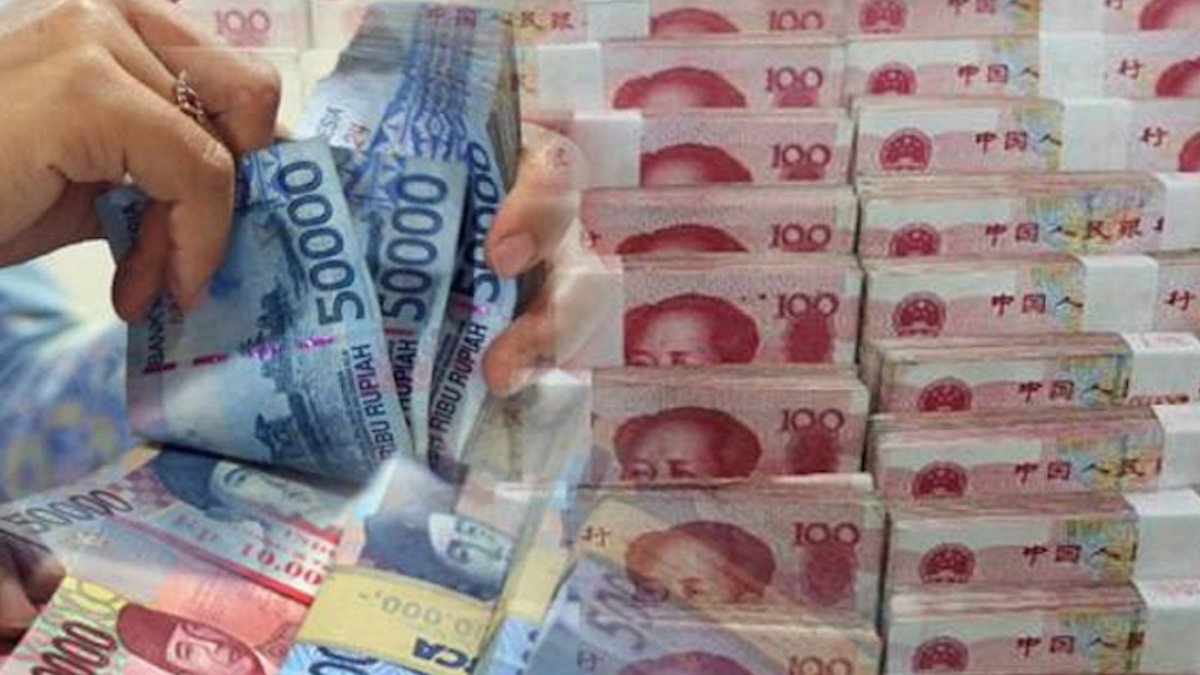
Leaders from fifteen Asia-Pacific nations convened virtually this week to formally sign the Regional Comprehensive Economic Partnership (RCEP), a landmark trade agreement that establishes the world's largest free trade bloc by economic output. The signing, conducted during an online summit hosted by the Association of Southeast Asian Nations (ASEAN), represents the culmination of eight years of complex negotiations and is widely viewed as a major strategic achievement for China in shaping the region's economic architecture.
A Geopolitical and Economic Milestone
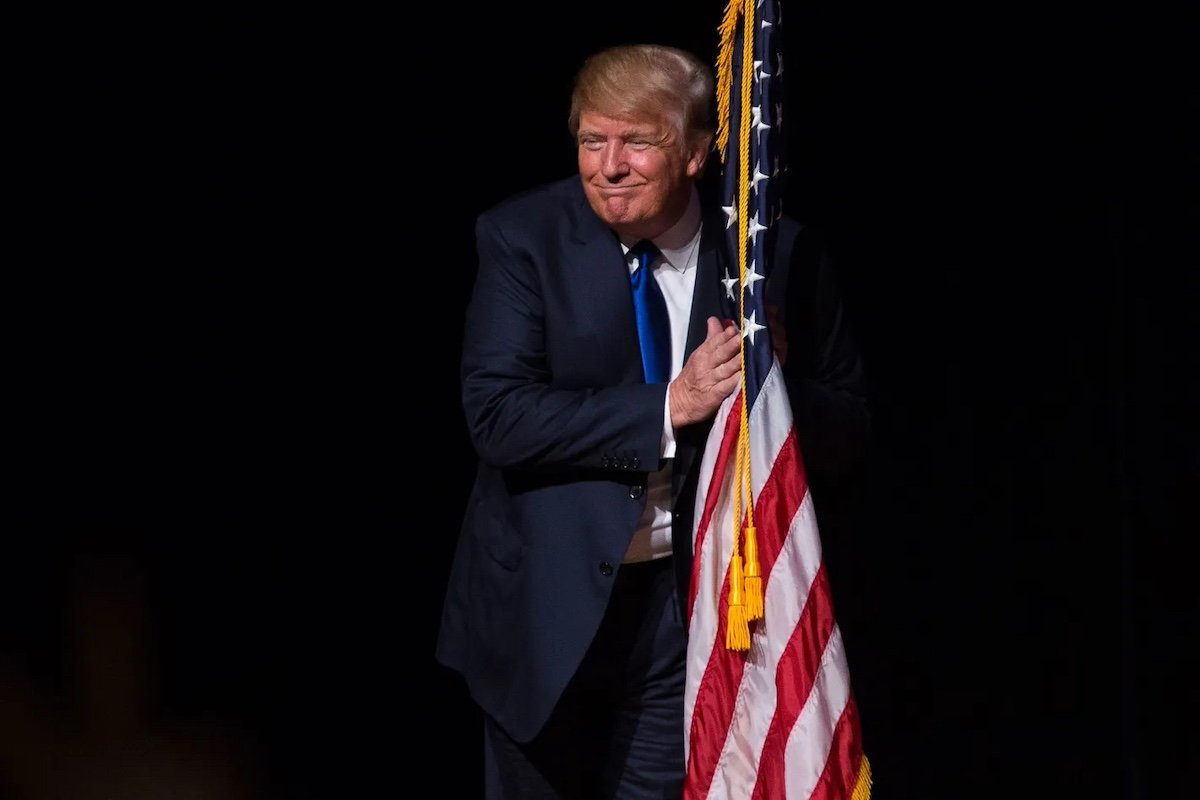
The RCEP brings together the ten ASEAN members—Brunei, Cambodia, Indonesia, Laos, Malaysia, Myanmar, the Philippines, Singapore, Thailand, and Vietnam—with China, Japan, South Korea, Australia, and New Zealand. The bloc accounts for roughly 30% of global GDP and population. While the pact is framed as an ASEAN-led initiative, its scale and timing are seen as a direct response to years of U.S. disengagement from regional trade frameworks under President Donald Trump, allowing Beijing to assert greater influence over commercial rules.
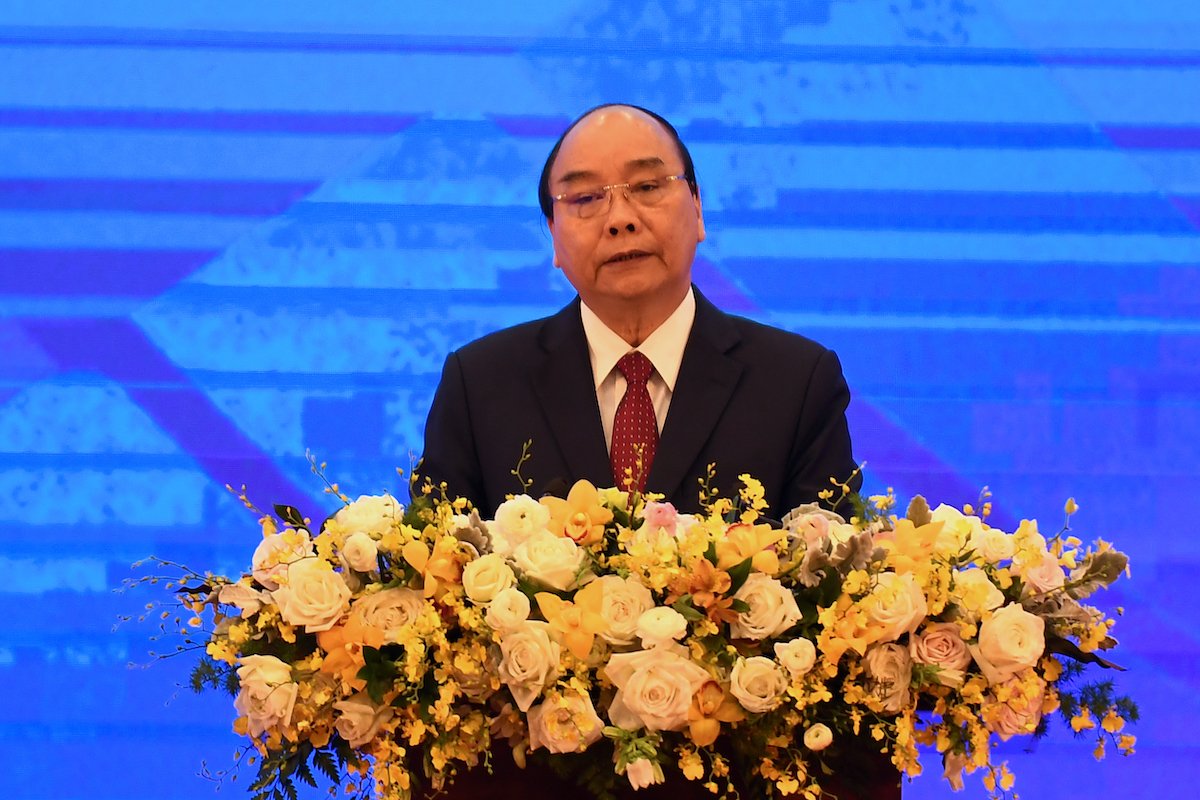
"After eight years of negotiating with blood, sweat and tears, we have finally come to the moment where we will seal the RCEP Agreement," said Malaysia's Senior Minister and Minister of International Trade and Industry, Mohamed Azmin Ali, ahead of the signing. Vietnamese Prime Minister Nguyen Xuan Phuc confirmed the pact's finalization during his opening remarks at the summit.
Notably absent from the agreement is India, which participated in negotiations but withdrew in late 2019 over concerns about being flooded by cheap Chinese manufactured goods and agricultural imports. The pact allows for India's potential entry at a later date should it reconsider its position.
"RCEP will be the world's biggest free trade area measured in terms of GDP," said Rajiv Biswas, Asia Pacific chief economist at IHS Markit. He described the agreement as a "major positive step forward for trade and investment liberalization" across the region.
Recovery and Resilience in a Pandemic Era
The signing occurs as many signatory nations, particularly tourism-dependent economies in Southeast Asia, grapple with severe economic contractions and public health crises caused by the COVID-19 pandemic. Analysts suggest the pact could provide a crucial framework for coordinated recovery.
"In the light of COVID-19, RCEP could enable ASEAN to bounce back more quickly as such a deal allows firms to diversify their supply chains and increase resiliency of the regional economies," said Kaewkamol Pitakdumrongkit, an assistant professor at the Centre of Multilateralism Studies in Singapore's S. Rajaratnam School of International Studies.
Vietnamese President Nguyen Phu Trong struck a cautious note, telling fellow leaders that "the road ahead is not a bed of roses," and emphasizing the need for collective action to control infections and support citizens. The urgent need for economic revival may have tempered diplomatic disputes, including longstanding tensions over the South China Sea, which are claimed by China and contested by Vietnam, the Philippines, Malaysia, Brunei, and Taiwan.
Alexander Capri, a trade expert at the National University of Singapore Business School, noted the agreement "certainly lends advantage to China's geopolitical ambitions." However, he suggested the incoming administration of U.S. President-elect Joe Biden may re-engage with the region more actively, potentially mirroring the "pivot to Asia" strategy of the Obama era. "Think of the Biden administration as sort of a continuation of the Obama administration, certainly when it comes to the pivot to Asia," Capri said.
The pact's finalization prompts broader questions about the future of global trade governance. As global economic institutions reassess state-led growth models, China's central role in RCEP exemplifies its growing capacity to set standards. Furthermore, the agreement could intensify competitive pressures on other Asian manufacturing hubs, a dynamic explored in our analysis of how China's industrial overcapacity reshapes global trade.
While focused on tariffs, intellectual property, and e-commerce, RCEP's deeper significance lies in its potential to rewire supply chains and cement East Asia's economic integration. This comes as major powers compete for advantage in foundational technologies, a contest evident in the parallel US and China race to build fusion energy supply chains. For Southeast Asian nations, the agreement offers promised economic benefits but also requires navigating the complex sovereignty concerns that arise amid intensifying U.S.-China tensions, a challenge facing leaders in Jakarta as Indonesia's foreign policy drift raises sovereignty concerns.
The implementation of RCEP will now move to the forefront, testing whether the grand vision of streamlined regional trade can deliver tangible growth and whether the bloc can maintain cohesion amid the geopolitical currents that swirl around it.