When Japan and South Korea announced their record investment commitments to the United States—Tokyo up to US$550 billion and Seoul US$350 billion—the headlines focused on the sheer scale of capital. In exchange, Washington agreed to cap tariffs at 15%. But as the autumn deadline for project identification passed, the gap between promise and delivery became clear: Japan had earmarked projects worth only US$109 billion, while South Korea was still deciding where to start.
The debate has centered on money: who controls the funds, which sectors qualify, and how quickly the cash can be deployed. Yet the scarcer resource is not capital—it is leadership. Wiring billions takes a day; finding the right person to run a South Korean battery plant in Georgia, a Japanese gas project in Ohio, or a Taiwanese chip fab in Arizona takes months or years.
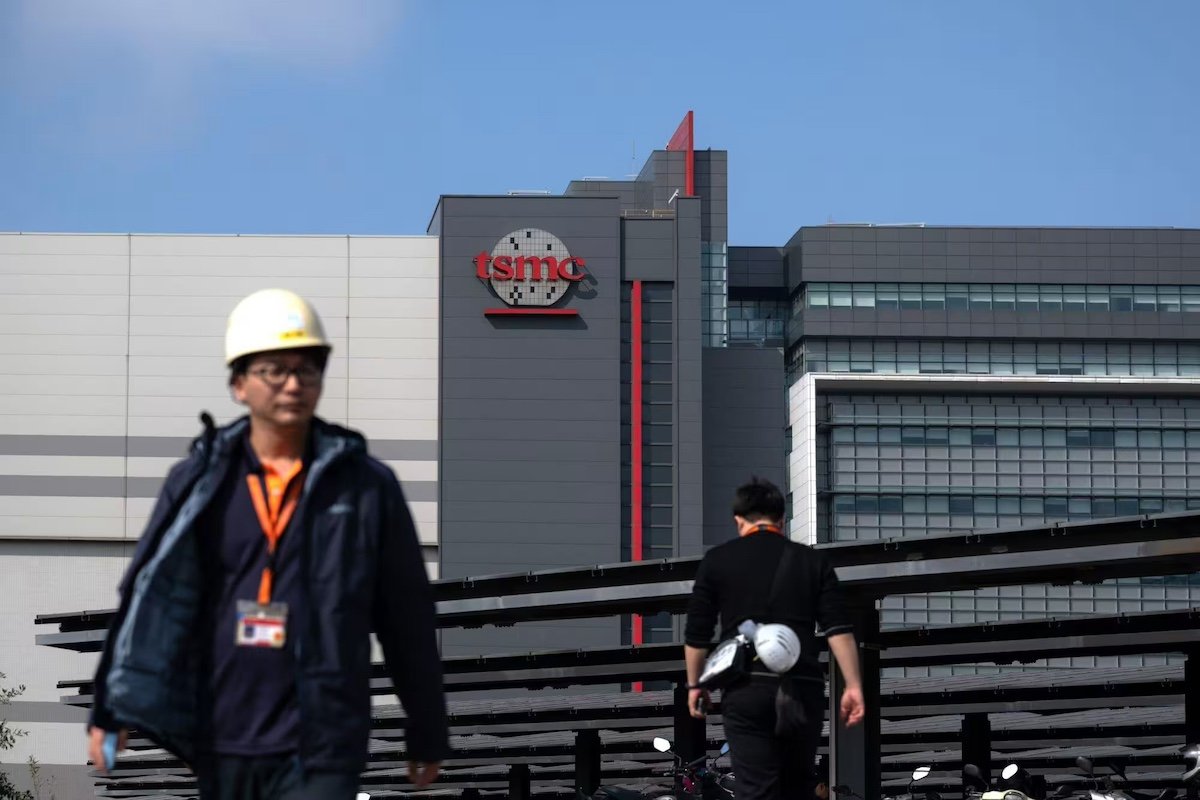
Over two decades of recruiting senior executives for overseas companies in the US, I have seen more projects fail on leadership than on financing. The pattern is already visible. In 2023, Taiwan's TSMC delayed production at its first Arizona fab, citing a shortage of workers with the right specialist skills. In September 2025, US immigration authorities detained 475 people at the Hyundai-LG facility in Georgia, most of them South Korean nationals, many on business trips, according to LG Energy Solution. The incident underscored a heavy reliance on flying in experts from the parent company rather than building local capability.
Four decisions that determine success
Whether these investments succeed or fail hinges on four choices made by Asian corporate boards.
First, timing. Many Asian firms appoint the US leader only after the factory site is chosen, permits are filed, and contractors are hired. By then, the critical decisions—incentives, labor strategy, supplier networks—have been made by people who will not have to live with the consequences. The US leader should be in the room when those decisions are made, which means hiring a year or more before operations begin, not a few months before launch.
Second, the origin of the leader. An executive from Seoul or Tokyo knows the products, the corporate culture, and the decision-makers at HQ. A US manager understands the regulators, the labor market, and the political landscape. Rarely does one person combine both. The most effective model I have seen is a US CEO with genuine authority, backed by a senior HQ executive who acts as a translator, ally, and early-warning system in both directions. Neither role should be a sinecure.
Third, compensation and decision-making power. Cultural differences here are more significant than financial ones. US senior managers expect a substantial portion of pay tied to performance and a clear mandate to make decisions without constant HQ approval. A salary that is generous in Tokyo may be uncompetitive in the US, and a title that sounds senior can be hollow if any hire above a certain level requires parent-company sign-off. Experienced candidates quickly sense this.
Fourth, the reporting line. In many firms, the US subsidiary reports to a regional or global function several levels below the CEO. If HQ considers this a strategic investment, that structure is a misnomer. The US leader needs a direct, fast link to someone at the parent company who can make decisions in a week, not a quarter. When that line is weak, US managers tend to leave early, and the company starts over with diminished credibility.
These challenges are not unique to Asian firms. European companies face the same issues, but the stakes are higher here because these investments are tied to intergovernmental pledges and monitored by two governments. Investors are asking whether the new factories will be built on time and run profitably. Boards might ask a simpler question: who will be accountable for the US operations, and what powers will they have?
The investment promises were struck by trade officials. They will be kept or broken by plant managers, divisional bosses, and US country heads who understand both the parent company and the American market. Asian investors who bring that layer of talent in early and equip them with real authority will turn political commitments into viable businesses. Those who overlook leadership may find that the hardest part of investing in the US is not the money.
For more on the broader regional dynamics, see our analysis of Japan-South Korea ties and the chip technology challenges facing the region.