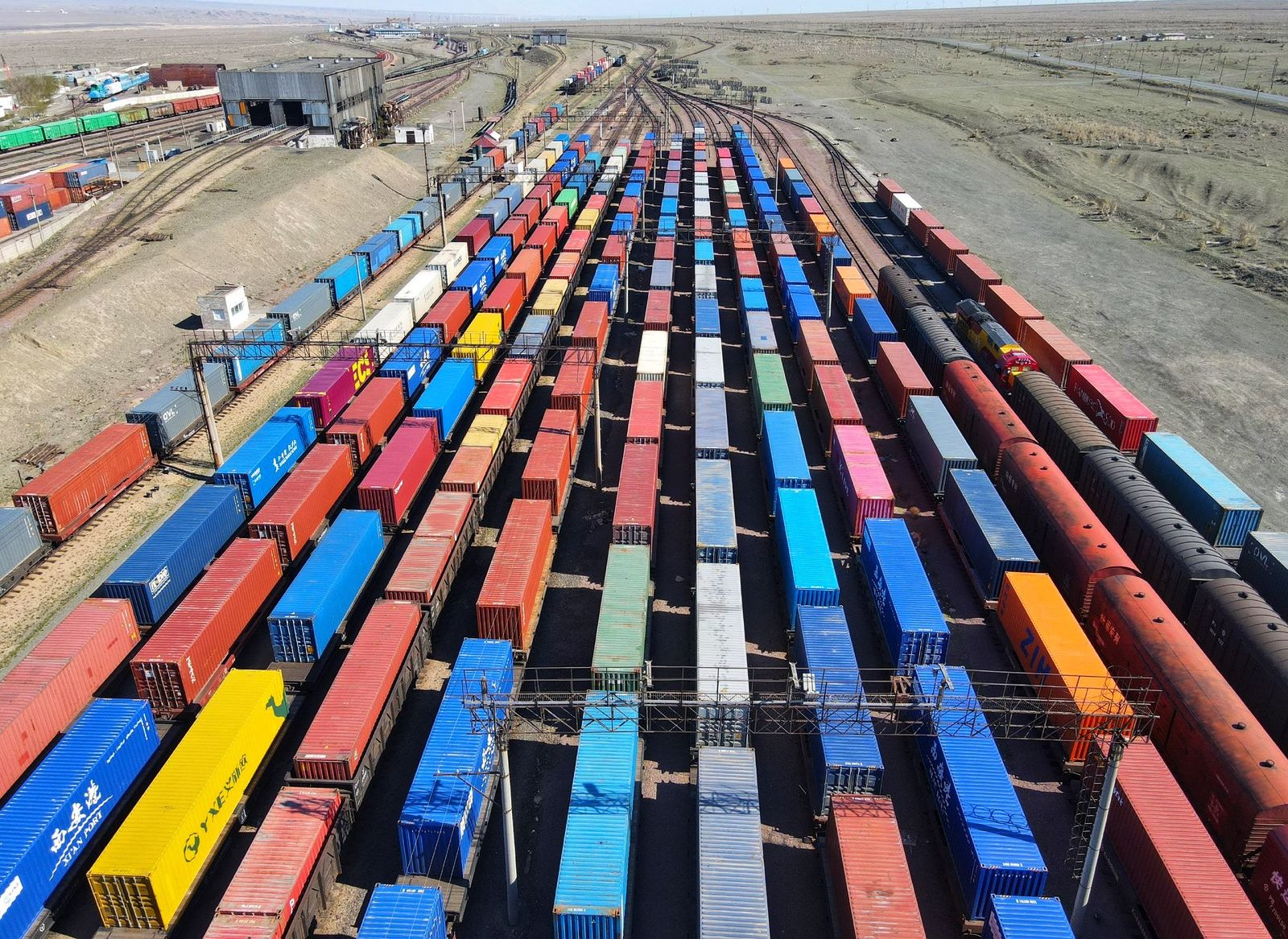
In a significant move to operationalize a key Eurasian trade route, the leaders of Azerbaijan and Kazakhstan have shifted from planning to implementation for the Trans-Caspian International Transport Route, commonly known as the Middle Corridor. During a summit of the bilateral Supreme Interstate Council in Astana on October 21, Presidents Ilham Aliyev and Kassym-Jomart Tokayev endorsed a concrete package of measures designed to transform the corridor from a concept into a schedulable logistics network.
From Agreement to Action
The summit resulted in roughly 16 sectoral agreements spanning logistics, energy, digital connectivity, and industry. Crucially, the two heads of state set a definitive target to increase bilateral trade to nearly US$1 billion and issued instructions to activate the long-planned Kazakhstan–Azerbaijan Direct Investment Fund. This fund is intended to finance the rolling stock, port upgrades, and vessel renewals necessary for the corridor's success.
One immediate, tangible outcome was Azerbaijan's decision to remove restrictions on cargo transit to Armenia. Officials simultaneously marked the first post-Soviet shipment of Kazakh grain routed through Azerbaijan, Georgia, and Armenia. This creates a functional feeder route through the South Caucasus, providing practical redundancy and moving the corridor beyond a theoretical option.
The timing of this bilateral push is strategic. The European Union is scaling up its Global Gateway initiative to support the trans-Caspian chain, while international lenders like the European Bank for Reconstruction and Development (EBRD) are active in port upgrades. The agreements from Astana align a head-of-state implementation program with these external financing timelines, increasing the likelihood that tariff coordination, terminal sequencing, and infrastructure upgrades will proceed on a bankable schedule.
Operationalizing the Trans-Caspian Link
The operational heart of the Middle Corridor is the sea link across the Caspian. Its reliability hinges on the synchronization of Azerbaijan's Port of Alat with Kazakhstan's ports of Aktau and Kuryk. Key tasks now include smoothing rail handoffs, adhering to published vessel schedules, and clearing port queues through targeted infrastructure works.
EBRD- and EU-backed upgrades at Aktau—focusing on berth extensions, handling gear, and yard improvements—are directly addressing known bottlenecks that cause scheduling volatility. Concurrently, Baku and Astana have agreed on specific digitalization projects aimed at achieving real-time cargo visibility, faster customs clearances, and fewer ad-hoc surcharges. Harmonized tariffs and interoperable IT systems are expected to reduce wait times and introduce greater pricing discipline for east-west freight moves.
The immediate objective is to lock the feeder route into published, predictable schedules that shipping companies and financiers can plan around. Azerbaijan's transport authorities are already issuing facilitation standards and process timelines to anchor terminal operations and locomotive diagrams.
Financing the Physical Network
The activation of the bilateral Direct Investment Fund provides a critical tool for project execution. It serves as a first-resort subscriber for equity in rolling stock, port handling equipment, and vessel upgrades, giving state operators a defined mechanism to anchor initial investments. This structure allows procurements to be staged in tranches aligned with actual delivery and maintenance windows.
By pointing to a domestic funding source and a named project list, rather than general intent, this setup is designed to accelerate co-financing talks with EU Global Gateway instruments and international lenders. Where institutions like the EBRD are already supporting capacity, the bilateral fund can take first-loss positions or match tranches, speeding up critical works. The result is a clearer division of labor: domestic capital for enabling assets, and external capital for scaling up.
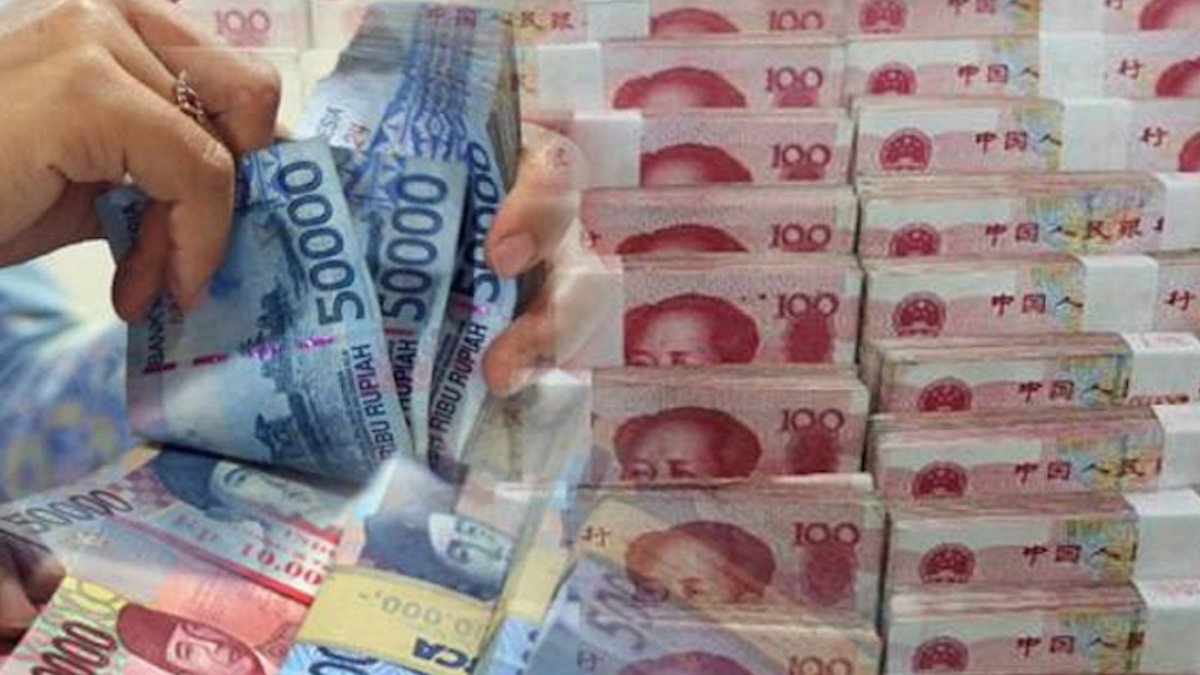
This development occurs as other major infrastructure initiatives in Asia face challenges. For instance, the Afghanistan-Pakistan border conflict threatens China's Belt and Road corridors, highlighting the geopolitical risks to continental trade networks. Meanwhile, the petroyuan's rise will be driven by geopolitical crises, not gradual shifts, a financial evolution that could reshape the economic landscape of the wider region.
To lock in the gains from the Astana summit, the European Union must now move from general endorsement to time-bound funding commitments explicitly tied to the trans-Caspian operating schedule. Concrete support—such as guarantees and grants aligned to published rail-port rotations, customs-IT interoperability, and verifiable vessel upgrades—is needed to translate the Global Gateway into bankable capacity on near-term commissioning windows. The meeting in Kazakhstan was not a routine ceremony but the start of routine operations for a corridor seeking to reshape Eurasian trade flows.