Intensifying military clashes between Pakistan and Afghanistan are transforming a long-running border dispute into a significant regional security crisis. Sustained fighting along the Durand Line frontier is drawing scrutiny from major powers and raising alarms about stability across South and Central Asia.
For China, the escalating conflict presents a direct challenge to its strategic and economic ambitions. Over the past decade, Beijing has constructed a vast network of connectivity projects under its Belt and Road Initiative (BRI), aiming to link western China to the Arabian Sea and global markets. The China-Pakistan Economic Corridor (CPEC), a flagship BRI component, is central to this vision, designed to diversify China's energy import routes and enhance its security.
Diplomatic Efforts Stalled as Fighting Intensifies
China has attempted to mediate, emphasizing the need for stability to protect its investments. In early March, Beijing's special envoy for Afghanistan, Yue Xiaoyong, met with Afghanistan's acting foreign minister, Amir Khan Muttaqi, in Kabul. He urged both sides to resolve differences through dialogue, warning that prolonged instability threatens connectivity corridors and broader regional development. Despite these efforts, hostilities have continued.
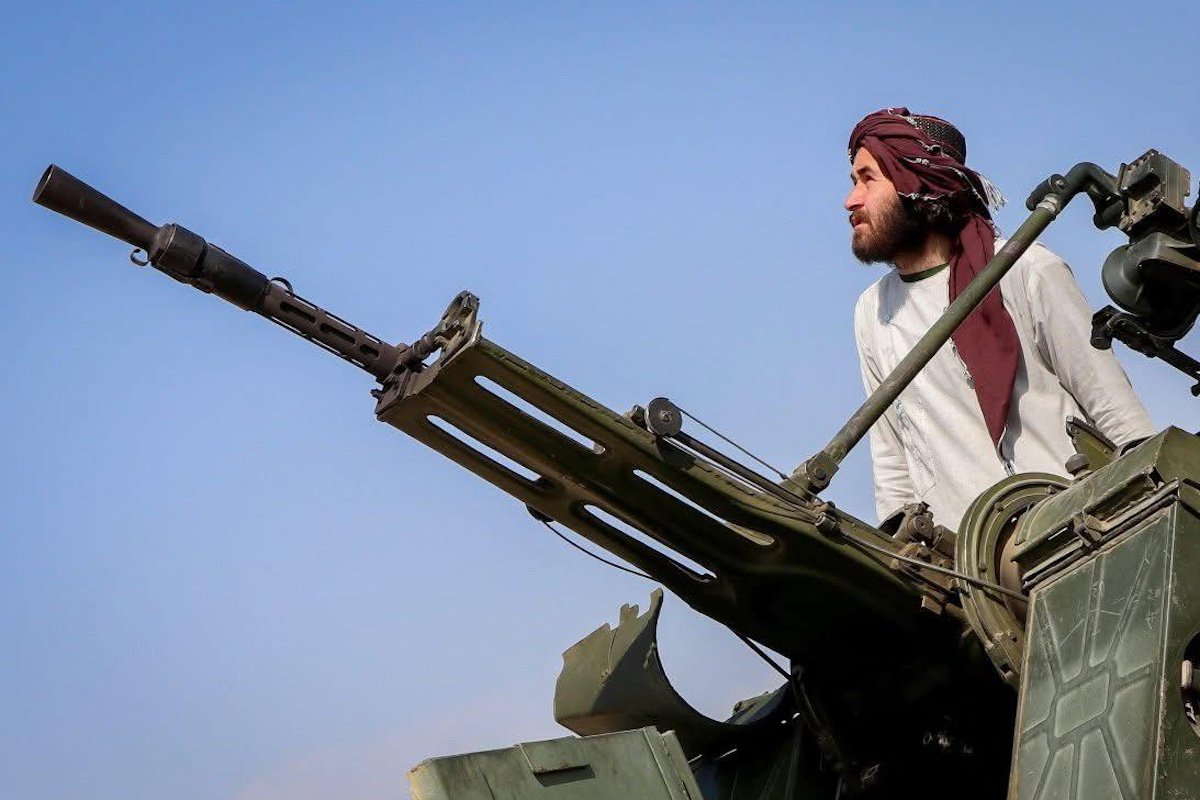
The immediate trigger is a surge in militant attacks inside Pakistan attributed to the Tehreek-e-Taliban Pakistan (TTP). Islamabad accuses the Afghan Taliban of allowing TTP to operate from its territory, a charge Kabul denies. Pakistan's response, including air strikes under Operation Ghazab Lil Haq, has been condemned by Afghanistan as a violation of sovereignty, creating the most serious military standoff between the neighbors in decades.
Broader Regional Rivalries and Security Threats
The conflict is intersecting with wider geopolitical tensions. Pakistani officials suspect Afghanistan is cultivating closer ties with India, a development Islamabad views as strategic encirclement. India has cautiously re-engaged with the Taliban government in Kabul, heightening Pakistani anxieties about pressure on both its eastern and western borders.
Furthermore, international security assessments warn that Afghanistan remains a base for extremist groups like the TTP, Islamic State Khorasan Province, and al-Qaeda remnants. These networks exploit weak governance and porous borders. Russian officials have echoed concerns, noting the potential for spillover instability into Central Asia, a region of traditional Russian influence. The crisis also complicates global energy security, intersecting with concerns from the war in Iran and the closure of the Strait of Hormuz, a vital chokepoint. This broader instability underscores the challenges for China's navigation of Middle Eastern security.
Connectivity Versus Ingrained Conflict
China's regional strategy is predicated on the idea that economic integration through infrastructure and trade fosters political stability. Projects like CPEC were envisioned as platforms to eventually integrate Afghanistan into wider Eurasian networks. However, the current confrontation exposes the limits of this logic. Connectivity alone cannot resolve disputes rooted in sovereignty, militant violence, and deep-seated security rivalries.
Trade routes cannot dismantle insurgent networks, and infrastructure investments cannot settle contested borders. The fighting along the Durand Line represents a fundamental test of whether economic interests can override entrenched security calculations. The instability threatens not only CPEC but also China's broader plans to link Central Asia, Afghanistan, and Pakistan into a cohesive transport corridor to the sea.
This security-first reality is forcing a reassessment of development models in volatile regions. As global institutions reassess state-led growth, the Afghanistan-Pakistan crisis demonstrates how geopolitical friction can unravel carefully laid economic plans. The situation may also influence how other Asian nations balance ties with major powers, as seen in Vietnam's evolving strategic calculations.
For now, Beijing's hedging strategy—maintaining working relations with both Pakistan and Afghanistan's Taliban authorities—is under severe strain. The crisis underscores that in South Asia's complex security landscape, the promise of belts and roads can quickly become entangled in the crossfire of older, more volatile disputes.