The European Union is moving to extend its trade defenses against Chinese imports, preparing safeguard measures on chemicals, furniture, and machinery, according to a Bloomberg report. The move comes after Beijing, in closed-door talks earlier this month, agreed to cap its hybrid car exports to the bloc—a concession that marks a notable shift in China's trade strategy.
The European Commission is planning to use WTO-compliant safeguards, which could take the form of import caps or tariffs, and would apply to all countries outside the European Economic Area. These measures could be presented as early as the first quarter of 2027, the report said, citing people familiar with the matter.
The agreement on hybrid cars was reached on October 9 in Beijing, where EU Trade Commissioner Maros Sefcovic met with Chinese Commerce Minister Wang Wentao. Chinese officials, who had previously refused to set quotas, agreed to limit hybrid car exports to the EU at 350,000 units per year. The cap, expected to take effect in December and last four years, would cut China's exports by nearly half in 2027, with the quota rising by 6% annually after the first year.
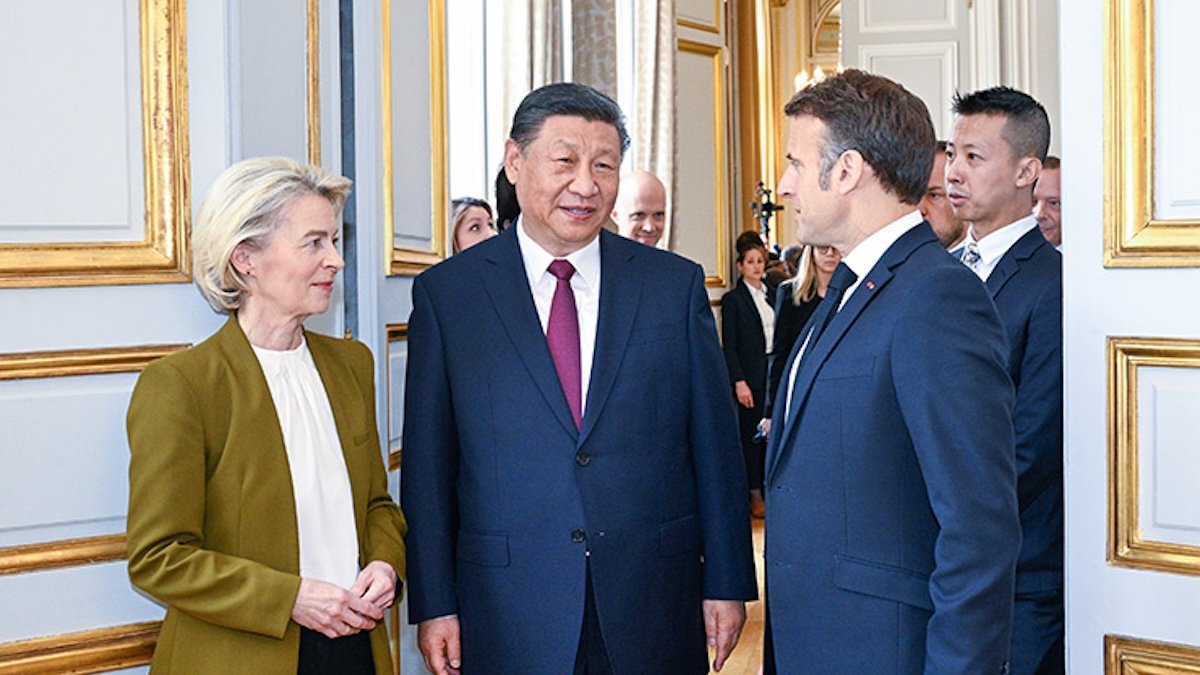
European Commission President Ursula von der Leyen said after an EU summit on October 16 that the hybrid deal would not resolve the bloc's structural trade imbalance with China. The EU's goods trade deficit with China now exceeds €1 billion (US$1.12 billion) a day, she noted. "And this is why we need to act," von der Leyen said. "Our industries have called for action and we have heard them and we will respond, including some more safeguards."
The deal marks a departure from Beijing's earlier confrontational approach. After the EU imposed duties of up to 35.3% on Chinese-made battery electric vehicles in October 2024, China filed a complaint at the WTO and retaliated with its own duties on European brandy, pork, and dairy products. However, WTO disputes typically take years to resolve, and the organization's Appellate Body has been unable to hear appeals since December 2019.
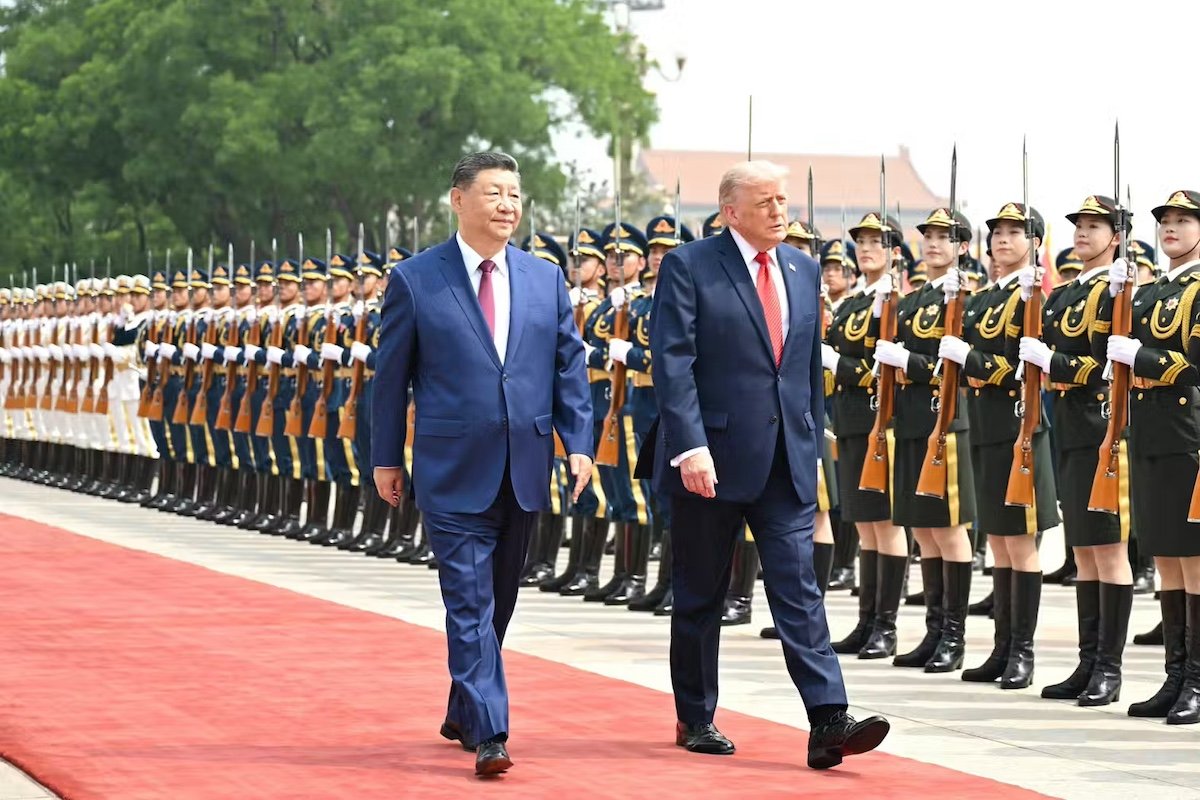
Beijing also faces a tighter deadline: its trade truce with the United States runs only until January 10, leaving little room for a second trade war with Europe. The two-month extension was announced on September 23, as Chinese President Xi Jinping arrived in the US for a state visit hosted by President Donald Trump.
Chinese media downplay concession
Chinese media and commentators have largely played down Beijing's concession in the hybrid car talks, instead highlighting the win-win nature of China-EU cooperation and stressing that Beijing is ready to respond to unreasonable curbs. A Hubei-based columnist writing under the pen name "David Talks Tech" argued that China should use WTO rules to protect its industries. "An effective countermeasure does not fight on every front. It strikes where the other side depends on us and hurts the most," he wrote.
"Expanding the confrontation without a clear aim will hurt both sides. A precise and rule-based response tells the other side that trade barriers are not cost-free and that every unreasonable restriction will be answered," he added. "Disputes should be settled within the multilateral framework and based on evidence, not on who shouts the loudest."
He said Beijing need not treat all European companies as rivals and should keep its door open to firms that follow the rules and seek win-win cooperation, while responding precisely to restrictions that cross the line. China-EU trade is too large to escape short-term friction, he noted.
Xue Taohong, a Hunan-based columnist, pointed out that China's share of the EU's chemical imports has doubled over the past decade to nearly 18%, making it the bloc's largest supplier. She also noted that China overtook Germany as the world's largest machine tool exporter in 2025, with exports up 13% to €8.6 billion (US$9.6 billion) while Germany's fell 10% to €7 billion.
"Saying that China has taken away Europe's market is too easy and too lazy," Xue wrote. "Chinese firms are indeed entering the European machinery market quickly, but the troubles of some European companies also come from long research cycles, rigid organizations, runaway costs and a reliance on past strengths." She added that European companies may want to use import quotas to buy time to upgrade equipment, cut energy use, and rebuild research capabilities, but such measures should not last forever.
Some observers say Beijing wants to bargain for generous import quotas and long transition periods so Chinese manufacturers have enough time to integrate into the EU's supply chain, rather than face heavy tariffs. The strategy reflects a broader effort to avoid a two-front trade war, especially as Washington's China policy remains uncertain. For more on that, see why Washington's China policy still avoids hard truths.
Meanwhile, a wave of protests, some violent, has swept across Europe in recent weeks, driven largely by economic hardship. In France, where the unrest has been particularly intense, the EU's trade moves are seen as a response to domestic pressures. The bloc's approach to China is being closely watched, as it tests the limits of de-risking without triggering a full-blown trade war. For a deeper analysis, see Europe's trade gambit with China.