Silicon Valley futurist Roy Amara's principle—that we overestimate short-term technological impacts and underestimate long-term ones—applies equally to geopolitical disruptions. The immediate fallout from a conflict, such as an attack in the Middle East, is stark: supply chain interruptions, spiking prices, and tragic loss of life. The enduring consequences, however, are more profound and less easily quantified, often cementing regional animosities and strategic distrust for generations.
For the energy-dependent economies of Asia, this reality presents a persistent vulnerability. Nations like Japan, South Korea, and India rely heavily on oil and gas transiting the Strait of Hormuz, a chokepoint perpetually at risk of closure. While strategic reserves offer a brief buffer, they are costly and primarily designed for military readiness, not long-term civilian energy security. The prospect of being drawn into distant conflicts to secure supply is viewed by most as a prohibitively expensive and morally fraught relic of a past era.
A Vast, Underutilized Resource
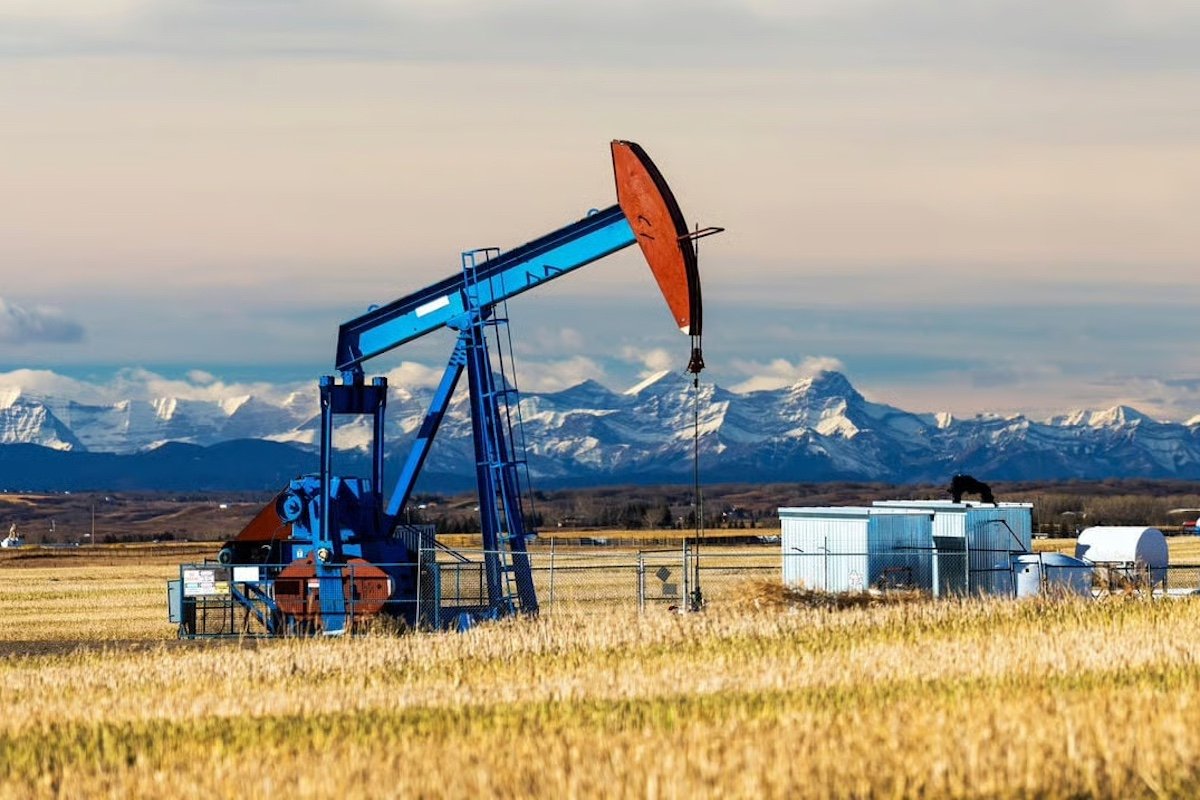
An alternative exists far from the turbulent Middle East. The Canadian province of Alberta possesses the world's third-largest proven oil reserves, trailing only Saudi Arabia and Venezuela. Its current production of roughly four million barrels per day could, in theory, satisfy the entire oil demand of a nation like Japan. Alberta is also a major natural gas producer with access to affordable electricity, crucial for liquefaction processes.
Yet this potential remains largely untapped for Asian markets. Nearly 90% of Alberta's oil exports flow south to refineries in the US Midwest, such as those in Illinois and Minnesota. With limited alternative outlets, Canada sells into what is effectively a monopsony, accepting a persistent discount to global market prices. This arrangement has persisted due to domestic climate policies, pressure from environmental groups, and a longstanding belief in a stable US partnership.
Political and economic shifts are now challenging this status quo. The election of figures like former central banker Mark Carney signals a more pragmatic approach to resource development. Concurrently, Canada faces increasing pressure from an unpredictable US trade relationship, fueling a serious push for trade diversification. With public finances tightening, energy development offers a clear path to economic growth, making expanded market access a renewed priority.
The Pacific Gateway Challenge
For Asia, Western Canada offers a compelling proposition: abundant energy from a stable, rules-based democracy with mature financial and legal institutions. Crucially, it provides a supply route to the Pacific largely insulated from Middle Eastern instability. The core obstacle is infrastructure. Canada has only one major pipeline to its West Coast—the Trans Mountain Pipeline. Its recent expansion increased capacity to just under one million barrels per day, a fraction of Alberta's potential output.
Plans for further expansion are under consideration, but the scale of investment required is immense. The previous expansion cost approximately US$30 billion and required federal government intervention. A meaningful increase in Pacific-bound capacity would need significant commitment, potentially through direct foreign investment in pipelines and upstream development. The potential reward for Asia is a reliable, decades-long energy supply, likely available at a competitive discount to global spot prices.
This strategic pivot coincides with a period where Asian nations are actively reassessing their energy security frameworks. Recent events, such as the Iran conflict straining Asian energy importers, highlight the acute risks of over-reliance on specific regions. Some are exploring alternatives, including the reassessment of nuclear energy and security postures.
Canada's opportunity hinges on decisive action. It must navigate complex environmental assessments, Indigenous consultations, and economic debates to build the necessary infrastructure. For Asian partners, engaging with Canada represents a long-term bet on diversification and stability. It is a move away from mercantilist insecurity and toward a more predictable energy relationship. As global tensions remind us that vital trade routes can be weaponized, the value of a stable, alternative supplier like Canada only grows.