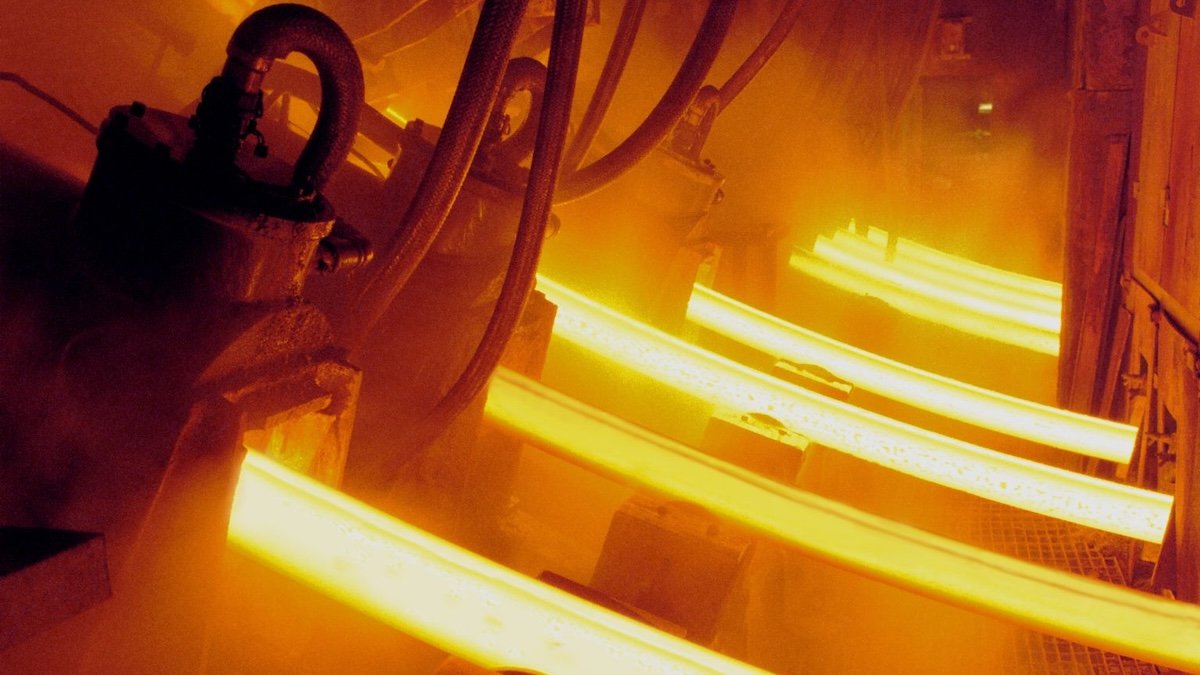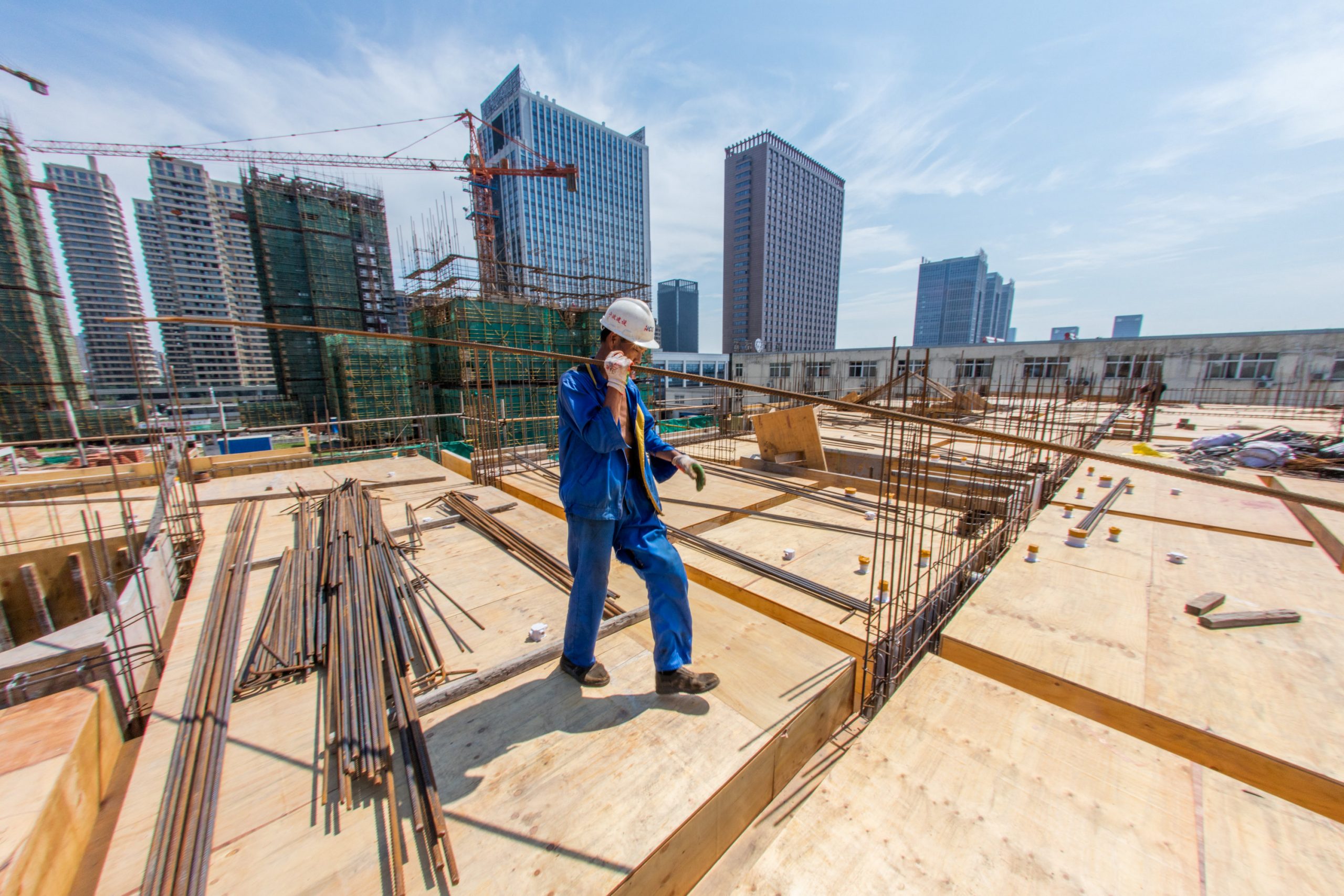
China's building materials industry, a key barometer for construction and infrastructure activity, has shown tentative signs of recovery after a period of contraction. According to data from the Ministry of Industry and Information Technology (MIIT), the sector's value-added output increased by 0.7% year-on-year for the first three quarters of the year, marking a reversal from the previous downward trend.
The recovery appears to have accelerated sharply in September, with output surging 8.9% compared to the same month last year. This represents an expansion of 2.4 percentage points from the growth rate recorded in September a year ago. While overall profits for the sector for the January-September period edged down slightly by 0.9%, they nearly returned to last year's levels. A strong monthly performance in September, where profits surged 16.4% year-on-year, helped narrow the gap.
Price Divergence and Trade Resilience
Price movements within the sector were mixed. For the first three quarters, the overall price index for building materials rose a marginal 0.05% year-on-year. This figure masks a divergence: cement prices fell by 3.3%, while plate glass prices increased by 6.9%, reflecting differing supply-demand dynamics across subsectors.
Separate data from the General Administration of Customs (GAC) indicates China's broader foreign trade expanded by 4.6% year-on-year in October. Exports saw a robust 7.6% increase, while imports grew by a more modest 0.9% when measured in yuan. For the first ten months of the year, total goods trade reached 25.95 trillion yuan (approximately US$3.91 trillion), up 1.1% from the same period in the previous year.
The Association of Southeast Asian Nations (ASEAN) consolidated its position as China's largest trading partner during this period, followed by the European Union and the United States. Private enterprises were highlighted as a significant driver, with their foreign trade growing 10.5% in the first ten months and accounting for 46.2% of China's total trade volume. This trend underscores how global economic institutions are reassessing state-led growth models as private sector dynamism becomes more pronounced.
Automotive Sector Activity and Regional Investment
Industrial activity was also evident in the automotive sector. Six Chinese auto parts suppliers have committed to a combined investment of 5 billion yuan in Chengdu, the capital of Sichuan Province. The suppliers signed the agreement with the local economic and technological development zone to produce components including seats, battery packs, and bumpers for Volvo Cars, which operates a manufacturing plant in Chengdu producing its XC60 model.
"Bringing suppliers to Chengdu not only optimizes Volvo's value chain, but also helps us realize our commitment to China, the world's largest single auto market," said Li Hai, vice-president of procurement for Volvo Cars Asia Pacific. The move is part of a broader pattern of supply chain localization. Volvo Cars also has manufacturing bases in Daqing in Heilongjiang Province, Luqiao in Zhejiang Province, and Zhangjiakou in Hebei Province.
Domestic automaker Great Wall Motors (GWM), China's largest SUV and pickup manufacturer, reported a strong October. Vehicle sales rose 15% month-on-month to 135,559 units, setting a new monthly sales record. The company's leading SUV brand, Haval, was the primary growth driver, selling 97,950 units. The Haval H6 model alone sold 52,734 units, maintaining its position as China's best-selling SUV for an 89th consecutive month. Great Wall's pickup truck sales grew 28% year-on-year to 20,405 vehicles, while its new-energy ORA brand saw sales skyrocket 352% to 8,011 units.
The recovery in core industrial sectors like building materials, coupled with resilient trade figures and automotive investment, suggests a degree of stabilization in the world's second-largest economy. However, the mixed price data and the slight annual dip in sector profits indicate underlying challenges remain. The continued prominence of ASEAN in trade data highlights the deepening economic integration within Asia, even as China's industrial capacity continues to reshape global trade and pressure regional economies. The performance of these foundational industries will be closely watched for signals about the durability of China's economic momentum in the coming quarters.