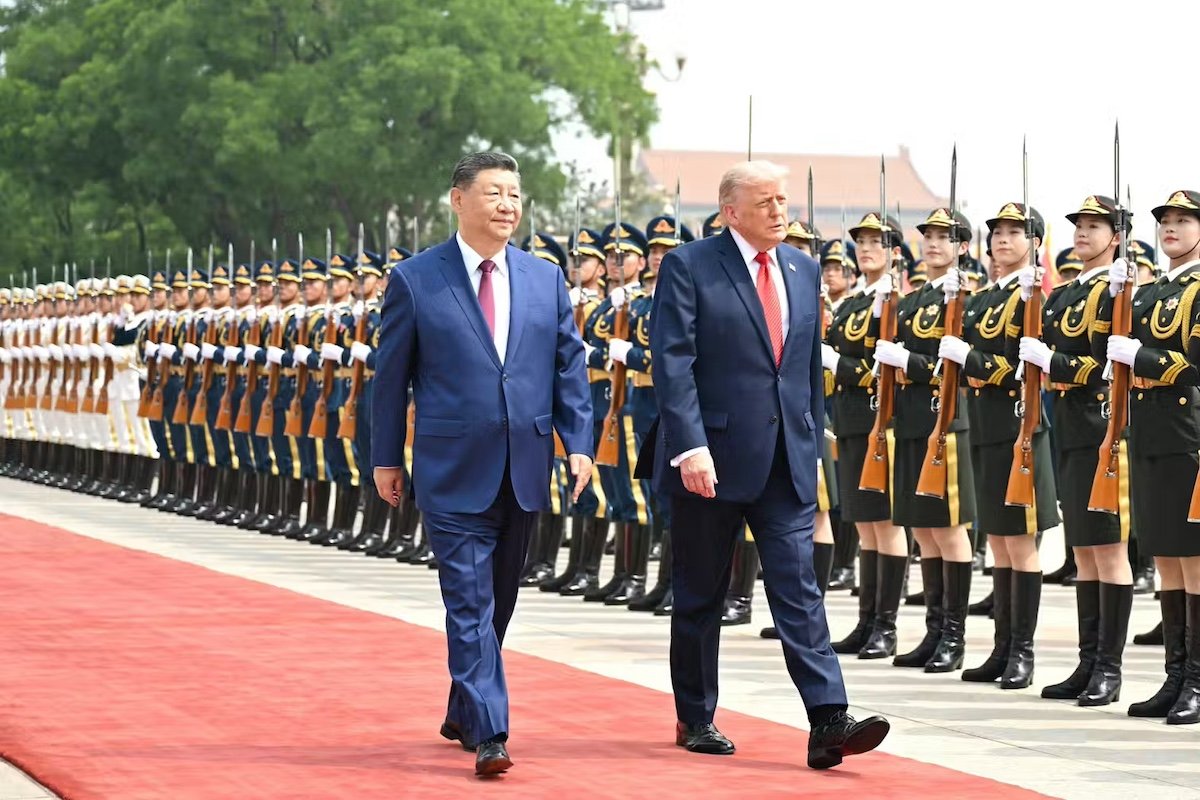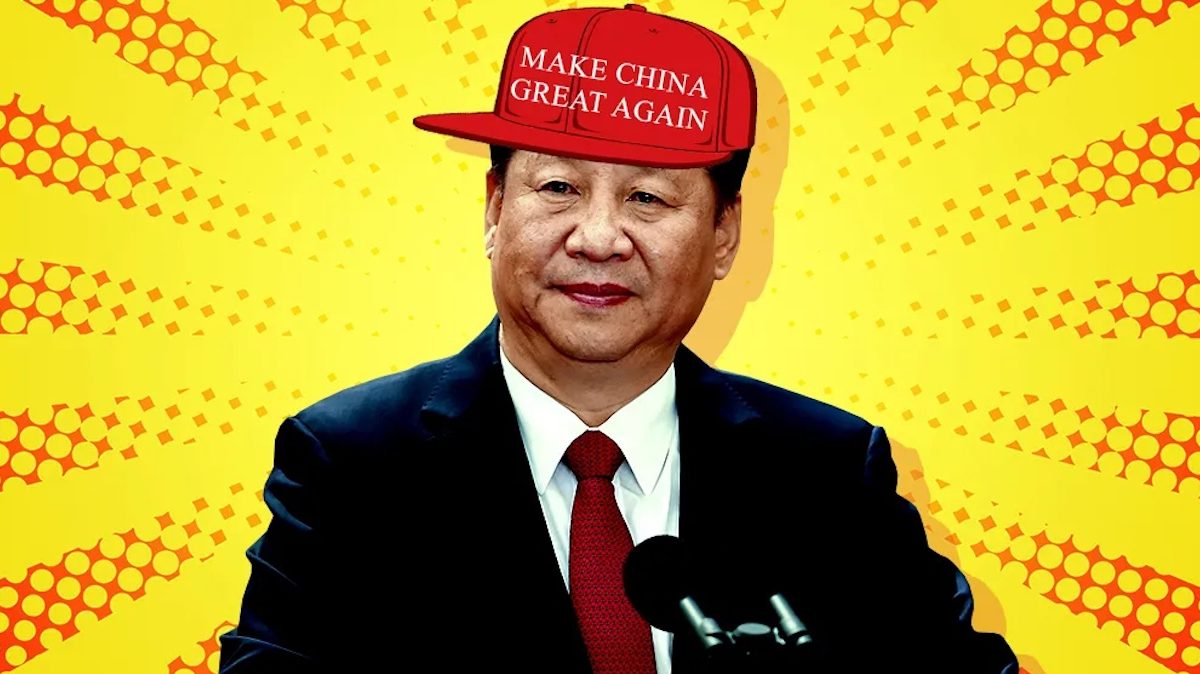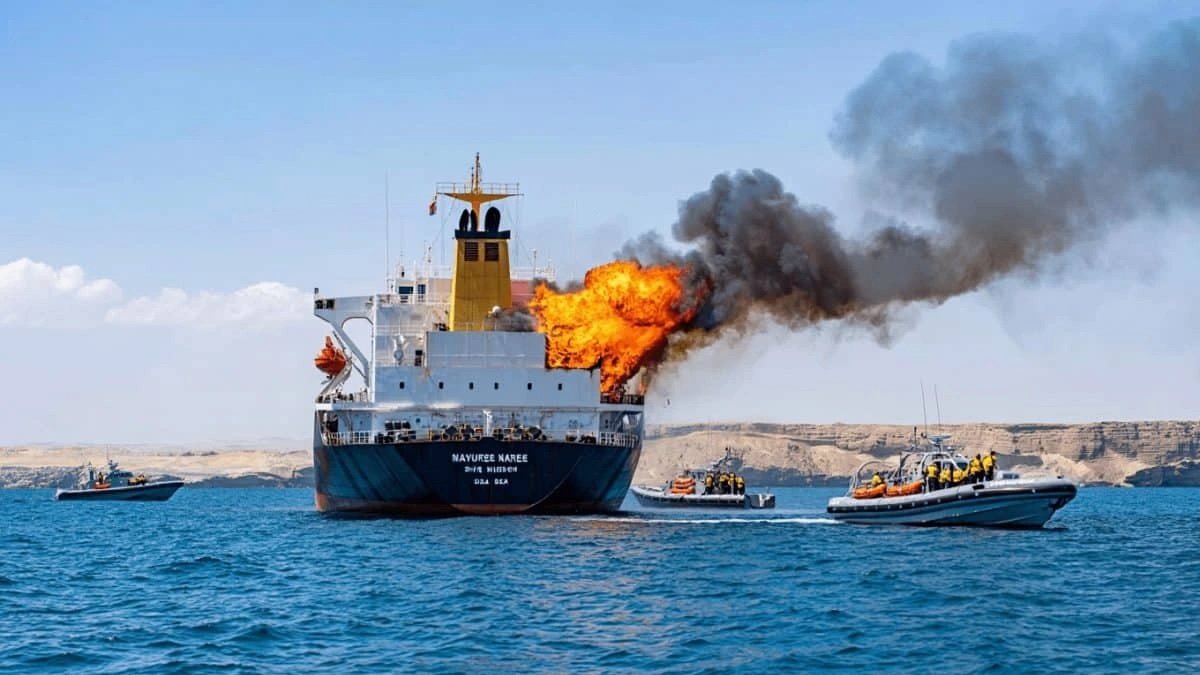
President Donald Trump's move to halt all ship traffic through the Strait of Hormuz has placed China in a precarious position. Beijing must now decide whether to accept Washington's prohibition on trade with Iran—a key ally—or challenge the blockade and risk a direct confrontation between the world's two largest nuclear powers.
For over six weeks, China has largely observed the joint US-Israeli military campaign against Iran from a distance. While criticizing the bombing, Beijing continued to benefit from discounted Iranian crude oil and natural gas that flowed freely through the strait into the Indian Ocean. That comfortable arrangement has now ended.
To maintain its energy supply and demonstrate its value as an ally, China must confront the American blockade. Trump has stated the strait will remain closed until all ships, including those from US-allied Arab states, can pass without threat.
Iran's Strategic Value to China
Zineb Riboua, a Middle East expert at the Hoover Institution, argues that the crisis is fundamentally about China. “Beijing has spent billions of dollars building Iran into a structural asset,” she wrote shortly after the bombing began. “By striking Iran directly, the Trump administration is dismantling—whether by design or by consequence—a pillar of China’s regional architecture.”
Iran supplies roughly 15 percent of China's annual petroleum needs, purchased at below-market prices. This is a far more significant share than the 4 percent China once sourced from Venezuela, where Beijing made no effort to prevent Trump's commandos from capturing President Nicolás Maduro. The Caribbean is America's backyard, and China lacked the military capability to intervene there. Iran is different.
Beyond oil, China and Iran have deepened their partnership in rare earth minerals—critical for producing high-tech computer chips used in everything from smartphones to AI systems and advanced weaponry like the Tomahawk cruise missile and F-35 fighter jet. China currently refines about 90 percent of the world's rare earth material. In 2021, Beijing agreed to provide Iran with $400 billion in economic aid over 25 years, securing access not only to oil but also to these strategic minerals.
OilPrice, an online energy news outlet, noted that by positioning itself as a rare earth mineral hub, Iran increases its value to China. This gives Xi Jinping “a reason to view the country as more than a ‘sanctioned’ gas station.” The US offensive, it concluded, is “a direct threat to this resource axis.”
Surveillance and Censorship Cooperation
Chinese companies have also built much of Iran's telecommunications infrastructure, including systems to monitor domestic phone and internet traffic. During anti-government protests in January, Iranian authorities used Chinese-supplied facial recognition cameras to identify and detain demonstrators. Iran also deployed China's “Great Firewall” technology to shut down the entire national internet, preventing information about the crackdown from spreading.
“Iran has not developed its censorship infrastructure in isolation,” the Washington-based Arab Gulf States Institute wrote in a January report. “The regime has received assistance from China, the world’s most experienced practitioner of internet control.” Such systems can track users, reconstruct emails, block traffic, and deliver manipulated web pages.
All of this is now at risk. China's diplomatic gains in the region—brokering a rapprochement between Iran and Saudi Arabia, welcoming Iran into the Shanghai Cooperation Organization, and extending the Belt and Road Initiative across Central Asia—could unravel if Beijing fails to protect its partner.
So far, China has taken a legalistic approach. Fu Cong, China's ambassador to the United Nations, stated that “the sovereignty, security, and territorial integrity of Iran and other regional countries must be respected.” But whether Beijing will move beyond words to action remains the central question. The reputations of both Trump and Xi are on the line, and the outcome will shape the balance of power in the Indo-Pacific for years to come.