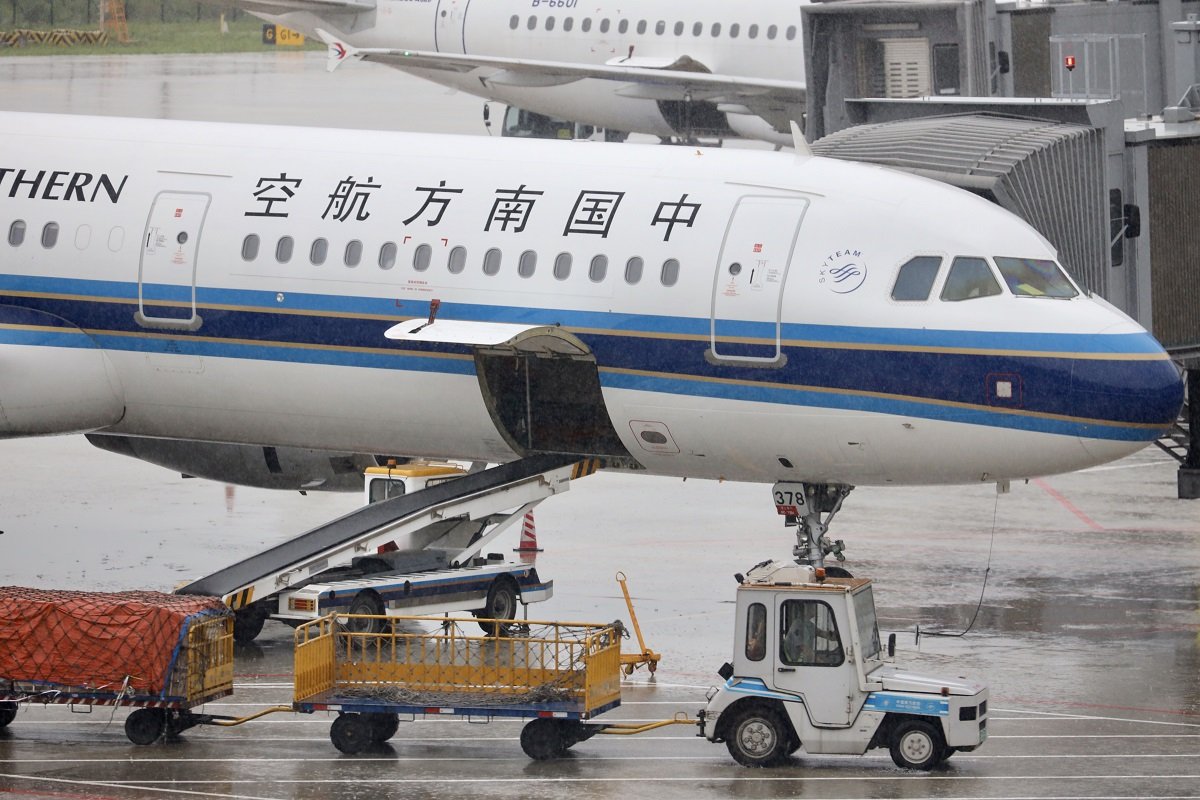
China's aviation sector is showing tentative signs of recovery from the Covid-19 pandemic, with the nation's largest carriers reporting a mixed financial picture for the second quarter. The improvement is driven primarily by a resurgence in domestic travel, as China has largely suppressed local transmission of the virus through strict public health measures.
Financial Results Reflect a Fragile Upturn
China Southern Airlines, the country's largest carrier by passenger numbers, reported a net loss of 2.9 billion yuan (approximately $422 million) for the April-June period. This represents a significant narrowing from its first-quarter loss of 5.3 billion yuan. In its earnings statement, the airline acknowledged the "long-term and profound impact" of the pandemic globally but expressed cautious optimism about the domestic market. "The aviation market in China will be the first to rebound, and the overall trend of recovery and development is prosperous," the company stated, citing "strong potential demand for passenger travel" if the virus remains under control.
The national flag carrier, Air China, reported a total net loss of 9.4 billion yuan for the first half of the year. Its second-quarter loss of 4.6 billion yuan was only marginally better than the 4.8 billion yuan lost in the first three months of the year.
In a contrasting trend, China Eastern Airlines, the country's second-largest carrier, reported deeper losses in the second quarter. It lost 4.6 billion yuan from April to June, compared to 3.6 billion yuan in the first quarter. The airline attributed this to an aggressive pricing strategy designed to lure passengers back, which succeeded in boosting traffic but severely compressed profit margins.
Discounting Drives Demand, Squeezes Profits
This pricing war is a central feature of the current recovery phase. Approximately ten Chinese airlines have launched unlimited-flight subscription deals to stimulate demand, a tactic made possible after domestic outbreaks were stamped out through lockdowns, contact tracing, and neighborhood monitoring. While effective in filling seats, this strategy presents a long-term challenge for carrier profitability.
Olivier Ponti, Vice-President of Insights at travel analytics firm ForwardKeys, identified a pivotal moment. "This is a highly significant moment because it is the first time, since the start of the Covid-19 outbreak, that a major segment of the aviation market anywhere in the world has returned to pre-pandemic levels," Ponti said. He highlighted the central dilemma facing the industry: "The crunch question is whether heavy discounting will still be needed to maintain the recovery, or whether the industry will return to profitability during the upcoming Golden Week holiday in October."
The recovery remains almost entirely domestic. China's borders remain largely closed to international tourism, and stringent quarantine requirements persist for arriving passengers. This has created a lopsided market where domestic capacity rebounds while international routes, typically more lucrative, remain dormant. The situation underscores the broader global reassessment of economic models as China's internal market dynamics gain greater weight.
The airline industry's struggles are a microcosm of the wider Chinese economy, which is grappling with the dual challenges of stimulating domestic consumption and managing external headwinds. The sector's reliance on discounting mirrors pressures seen in other Chinese export industries, where industrial overcapacity continues to reshape global trade and affect neighboring Asian economies.
Regional and Global Context
China's aviation rebound stands in stark contrast to the continued devastation in the global airline industry, where many carriers are surviving on government bailouts. The tentative recovery offers a potential blueprint for other Asia-Pacific nations once they gain similar control over the virus. However, it also highlights the fragility of a rebound dependent on deep discounts and confined within one country's borders.
The sector's health is also indirectly tied to broader geopolitical and trade stability. Any significant disruption to global supply chains or regional security could dampen the business travel essential for a full recovery. For instance, tensions in key maritime corridors like the Strait of Hormuz, which China must carefully navigate, or wider conflicts that exacerbate export slowdowns, pose risks to the economic confidence needed to sustain travel demand.
Looking ahead, the industry's focus is on the National Day Golden Week holiday in early October, a traditional travel peak. This period will serve as a critical test of whether passenger volume can be sustained at higher, more profitable fare levels. The performance of Chinese airlines in the coming months will provide a crucial indicator of the resilience and trajectory of consumer spending within the world's second-largest economy.