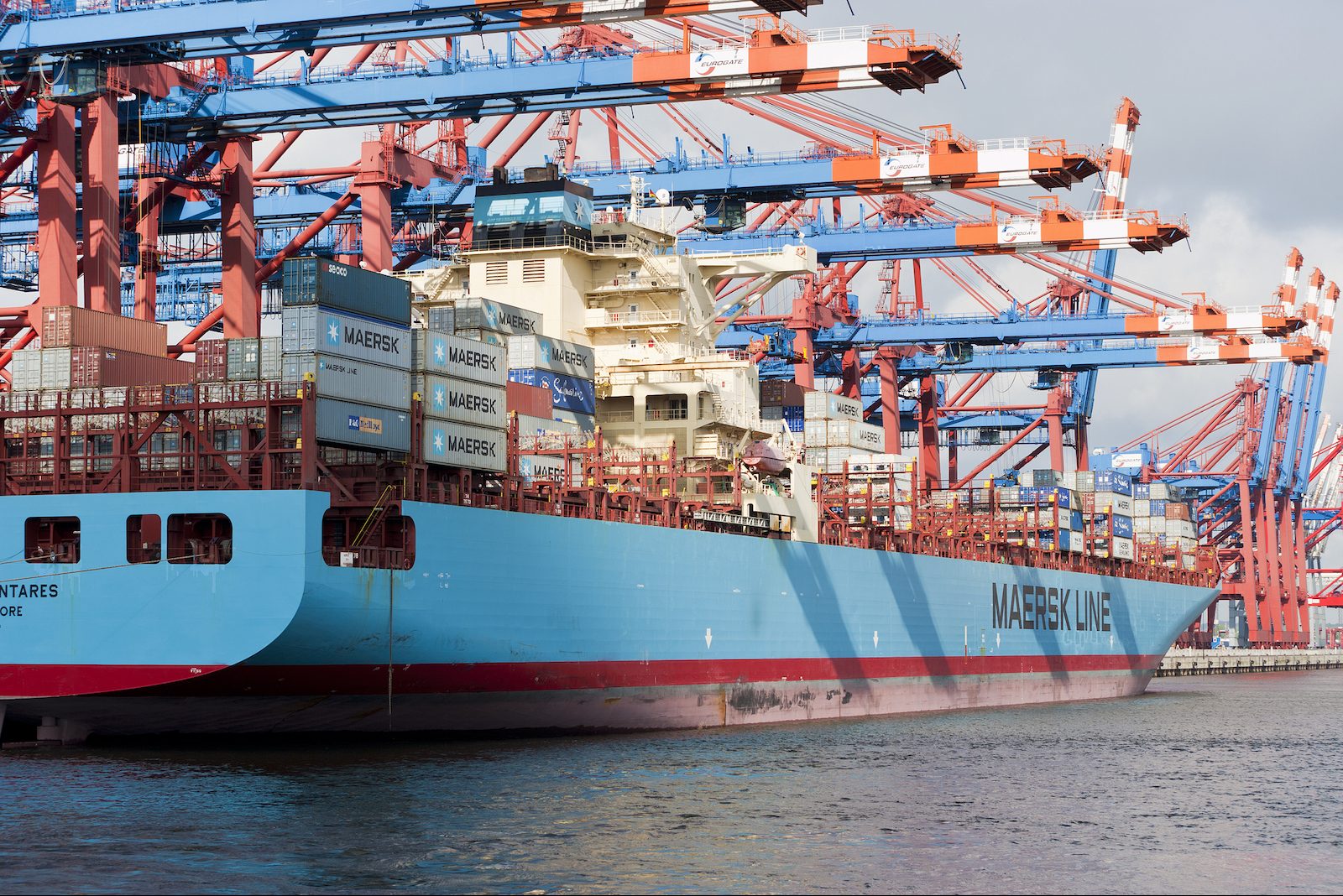
New trade data from Beijing reveals the mounting external pressures on China's economy, with the ongoing conflict in Iran emerging as a significant disruptive force. Year-on-year export growth slowed sharply to 2.5% in March, a marked deceleration that underscores how geopolitical instability is translating into tangible economic strain.
Energy Volatility and Trade Disruption
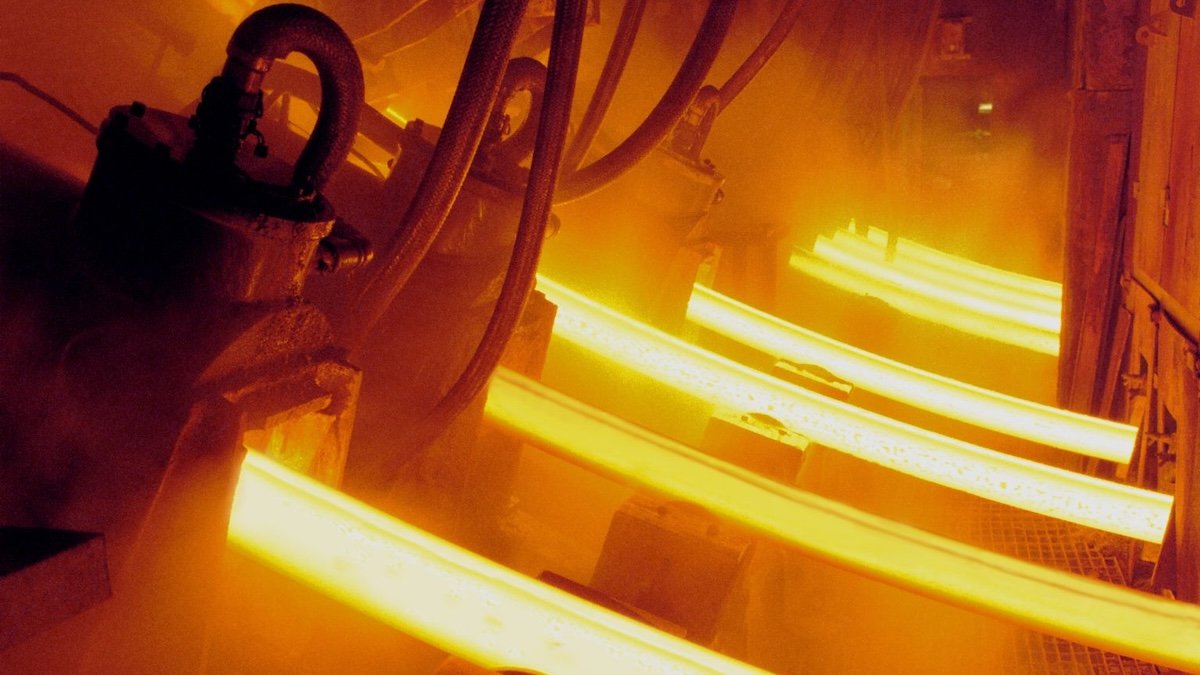
The hostilities in the Middle East have triggered volatility in global energy markets, a critical concern for the energy-intensive manufacturing sectors that drive Chinese exports. Sustained higher oil prices increase production and transportation costs, eroding the competitiveness of Chinese goods abroad. Furthermore, security risks in key maritime chokepoints, including the Strait of Hormuz, threaten the smooth flow of both energy imports to China and finished exports to global markets.
This comes at a delicate time for China's economic policymakers, who are already navigating a complex domestic landscape of property sector adjustments and subdued consumer demand. The external shock from the Iran conflict complicates efforts to stabilize growth. Analysts note that prolonged instability could force a reassessment of growth projections and fiscal strategies for the year.
The ripple effects extend beyond China's borders. Major Asian economies deeply integrated with Chinese supply chains are feeling the pinch. Japan's intricate supply networks are particularly vulnerable to disruptions in energy flows and shipping logistics. Similarly, export-oriented economies in Southeast Asia that feed components into China's industrial machine face potential slowdowns.
Diplomatic and Strategic Repercussions
The economic pressure amplifies China's diplomatic dilemma. Beijing has maintained a working relationship with Tehran, positioning itself as a potential mediator. As China's role emerges as key to reviving the Iran nuclear deal, its significant economic stakes in regional stability are now more pronounced. The conflict tests China's ability to balance its strategic partnerships with its pressing need for a stable global trade environment.
Meanwhile, the United States' military and diplomatic posture in the region adds another layer of complexity. The continuation of a naval blockade and ceasefire dynamics directly impacts commercial shipping lanes vital to Asian economies. This situates the Iran conflict within the broader framework of US-China strategic competition, where economic security is increasingly inseparable from traditional security concerns.
The uncertainty is also influencing long-term strategic planning across the Indo-Pacific. Some nations may accelerate efforts to diversify energy sources and supply routes to mitigate similar risks in the future. This could lead to increased investment in alternative energy and a reevaluation of strategic stockpiles.
Financial markets in Asia are reflecting this anxiety. Investors are closely monitoring capital flows, concerned that sustained conflict could trigger volatility reminiscent of periods when an Iran ceasefire fails to stem capital flight from Asia's emerging economies. Central banks in the region may be forced to factor in prolonged energy-led inflation alongside growth concerns.
For China, the immediate challenge is twofold: managing the direct impact on export industries and inflation, while navigating the diplomatic tightrope to help de-escalate the conflict. The March trade figures are not merely a statistical blip but a clear signal that geopolitical fires in one region can quickly scorch economic prospects in another. How Beijing responds will have significant implications for economic stability across Asia.