The US naval blockade of the Strait of Hormuz, imposed after the breakdown of US-Iran talks in Islamabad on April 11, faces its first major test: a Chinese-linked tanker has transited the waterway, and more vessels may follow. The incident underscores the growing risk of a direct standoff between Washington and Beijing in one of the world's most strategically vital maritime chokepoints.
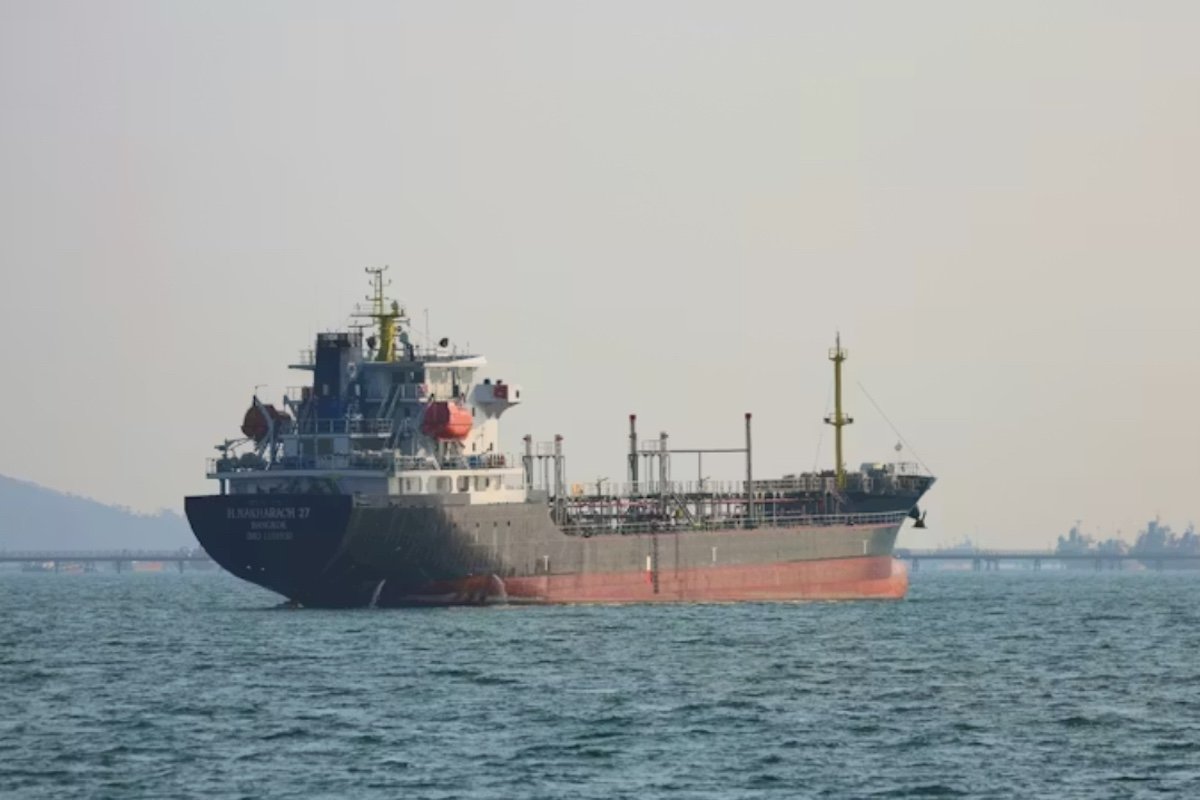
The tanker Rich Starry, which is under US sanctions for carrying Iranian goods, passed through the strait after being anchored off the United Arab Emirates. According to Lloyd's List, the vessel is falsely registered in Malawi but is Chinese-owned and crewed. Its cargo remains unknown. While the transit itself did not technically violate the blockade—which targets Iranian ports, not the strait itself—the move is widely seen as a deliberate test of American resolve.
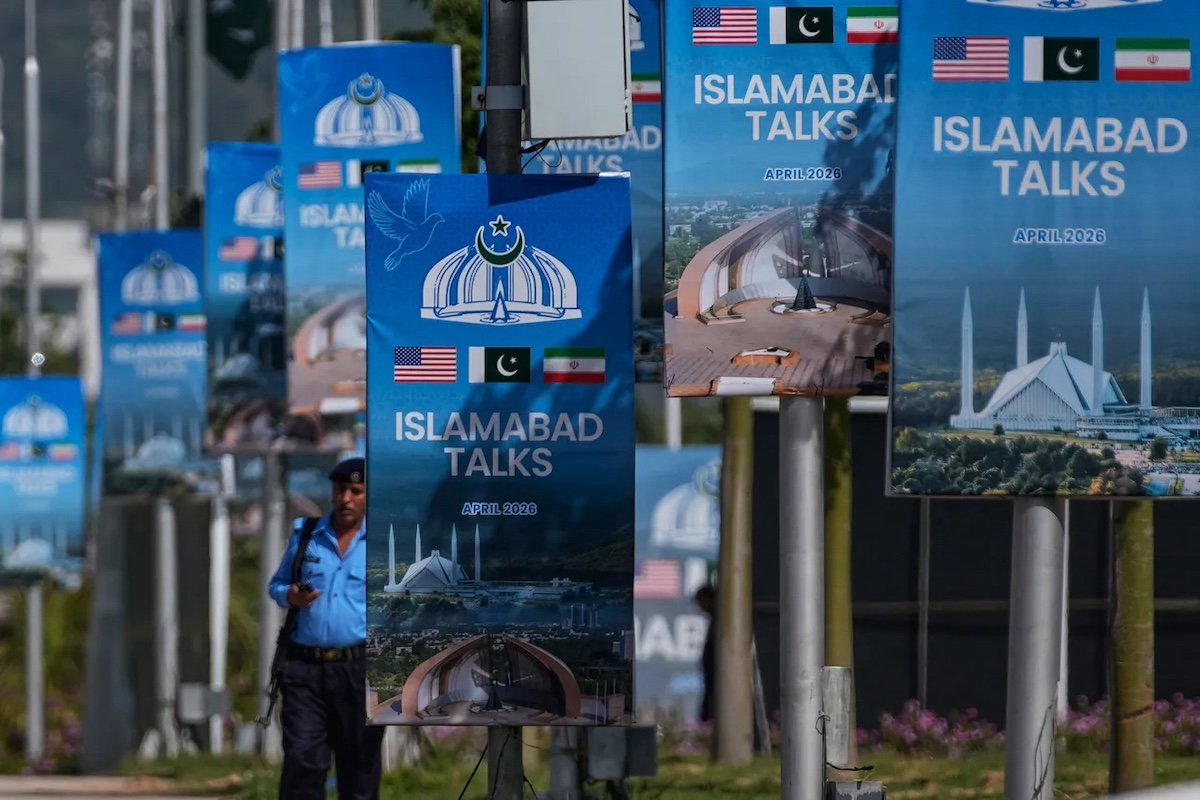
US President Donald Trump announced the blockade on April 11 after peace talks with Iran in Islamabad collapsed. A subsequent statement from US Central Command clarified that the operation would prevent ships from entering or exiting Iranian ports and coastal areas, but would not impede vessels transiting the strait to and from non-Iranian ports. Trump also declared that the US Navy would “seek and interdict every vessel in International Waters that has paid a toll to Iran,” though it remains unclear how this directive will be enforced.
The Strait of Hormuz has been effectively closed since late February, when the US and Israel launched attacks on Iran. Most shipowners, charterers, and insurers have refused to accept the financial and human risks of transiting under threat of Iranian attack. Iran has long threatened to use its geographic position to close the strait, and since the attacks, Tehran has demanded tolls of up to US$2 million per vessel for safe passage. Lloyd's List reported on March 25 that 26 vessels had used a pre-approved route under an Islamic Revolutionary Guard Corps (IRGC) “toll booth” system.
Asymmetric costs and strategic risks
Former US diplomat to the Middle East David Satterfield told the BBC on April 13 that the standoff now hinges on which side can absorb more pain. “The Iranians believe … that they can absorb more pain for a longer period than their opponents can,” he said. The cost calculus is asymmetric: maintaining a blockade is expensive and resource-intensive for the US, while Iran's strategy of disrupting global oil and LNG prices has proven effective.
The US has reportedly deployed up to 21 warships in the Middle East, including the aircraft carrier USS Abraham Lincoln and the amphibious assault ship USS Tripoli, which carries marines trained for boarding operations. These assets must operate near Iranian coasts, exposing them to missiles, drones, and fast attack craft. The operation is politically exposed and operationally demanding.
In December and January, US naval and coastguard vessels boarded and seized several ships linked to Venezuela's shadow fleet that had broken the blockade. But whether Washington would take similar action against a Chinese-linked vessel is an open question. Firing warning shots near tankers risks oil spills and carries obvious political dangers.
The Rich Starry incident suggests that some countries are now calling America's bluff. Other vessels are reportedly waiting to transit the strait. The big concern for the US president and his national security team must be the serious risk of escalation if the blockade is enforced against a Chinese-owned ship. Such a confrontation could draw Beijing directly into a conflict that has already reshaped energy markets and strained alliances across Asia.
For Asian economies heavily dependent on oil and LNG from the Gulf, the stakes are enormous. The blockade and Iran's toll system have already disrupted supply chains, driving up prices and threatening food security in fertilizer-importing nations. As the standoff deepens, the question is not just whether the US can sustain the blockade, but whether it can do so without triggering a broader crisis with China.