For European capitals that still harbored doubts about the dependability of the United States as a military partner, the past week has provided conclusive evidence. Within seven days, Washington first canceled the deployment of a 4,700-strong Brigade Combat Team to Poland, then announced the withdrawal of 5,000 troops from Germany, and finally—to the apparent surprise of its own defense officials—reversed course again, pledging to send 5,000 soldiers to Poland because President Donald Trump personally favors the Polish president.
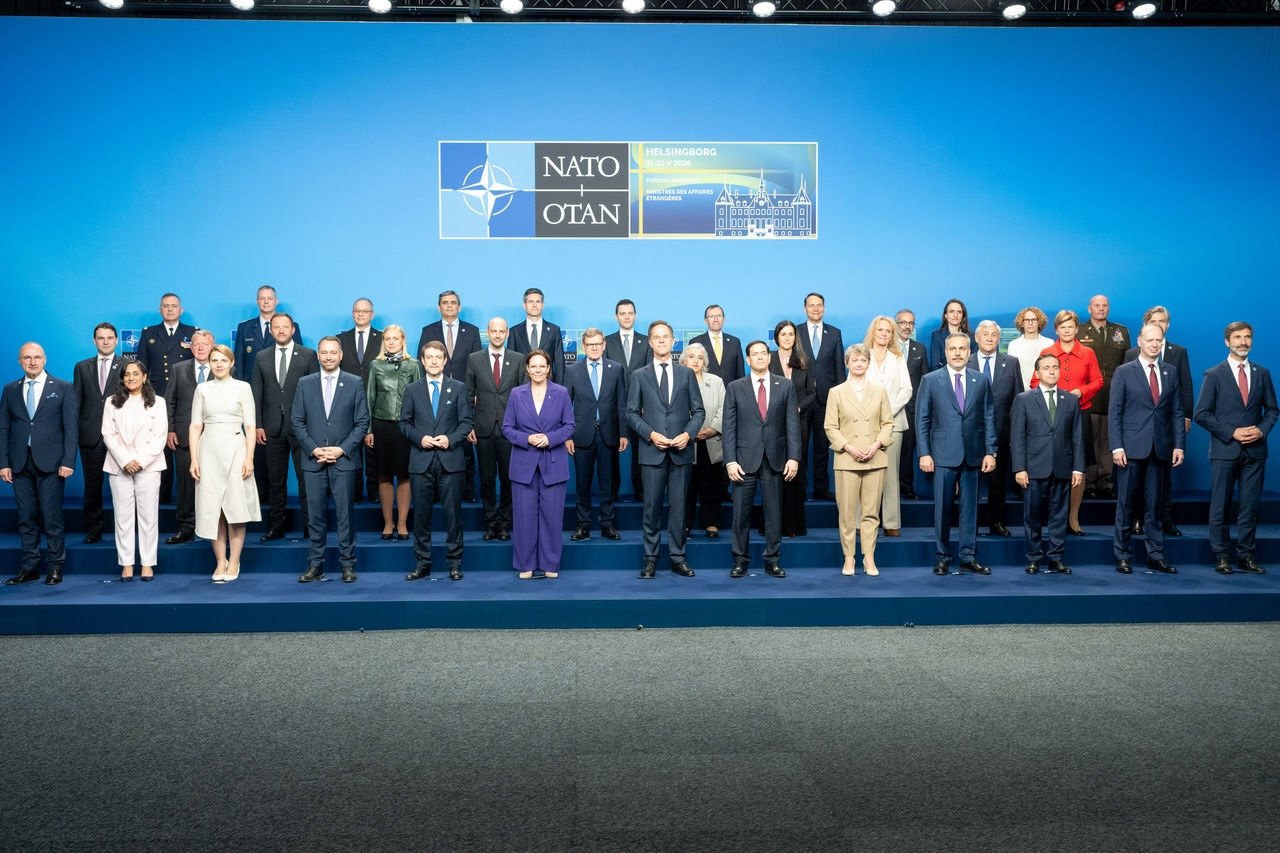
The spectacle at Friday's NATO foreign ministers' meeting in Helsingborg, Sweden, was telling. Secretary of State Marco Rubio, who also serves as National Security Adviser, struggled to explain the administration's shifting stance. The underlying reality is that no one in Washington can predict Trump's next move, and this unpredictability has fundamentally undermined the alliance's operational logic.
NATO's Diminished Role
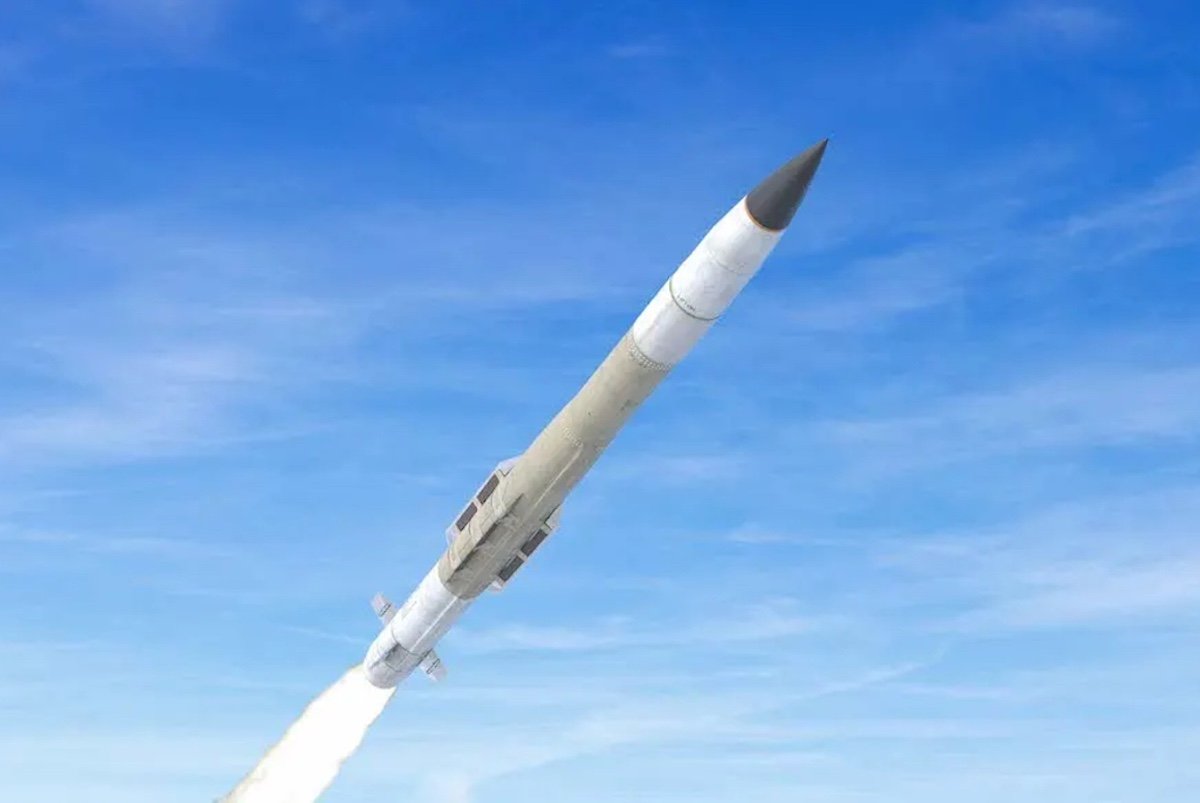
For 77 years, NATO has functioned through shared long-term planning, interoperability of forces, and a unified command-and-control system—all directed largely by the United States. European members have accepted this arrangement partly because of America's military superiority, but also because Washington provided critical capabilities such as satellite communications, missile defense, and heavy-lift transport. Now, abrupt policy reversals—like last week's cancellation of planned Tomahawk missile deployments to Germany—render shared planning meaningless and raise fundamental questions about the reliability of American-supplied systems.
As NATO's next summit approaches on July 7-8 in Turkey, European members must treat the alliance as peripheral rather than central to their defense. They will seek to preserve NATO in hopes that a future U.S. administration after 2028 will restore traditional alliance commitments. But for the immediate future, Europe's security planning must occur outside the NATO framework.
This shift aligns superficially with the "America First" agenda of Trump, Vice President J.D. Vance, and their allies. However, the driving force behind Europe's rearmament is not American lectures but Vladimir Putin's invasion of Ukraine four years ago—a war that has already surpassed the duration of World War I. Ukraine, though not a NATO member, has demonstrated how a determined nation can resist Russian aggression.
The Joint Expeditionary Force Alternative
European militaries are already more capable than Ukraine's forces were in February 2022. What they lack is the integrated planning and command structures that NATO provided. An existing framework could fill this gap: the Joint Expeditionary Force (JEF), established in 2014 by the United Kingdom, the three Baltic states, the Netherlands, and five Scandinavian countries (Denmark, Finland, Iceland, Norway, and Sweden). Though currently a hollow organization with a command headquarters in the UK, the JEF could be rapidly strengthened through regular military exercises and integration with new European defense funding mechanisms, such as the European Commission's Security Action for Europe (SAFE) fund.
To transform the JEF from theory into reality, its membership should expand to include Ukraine—Europe's most battle-tested military—as well as Germany and Poland, the continent's two largest armed forces. Such a structure would provide the shared planning and command-and-control that Europe urgently needs.
NATO Secretary-General Mark Rutte has warned European members not to fantasize about operating without American support, arguing that defense budgets would need to rise to 10% of GDP to replace U.S. capabilities. But this assessment may be overly pessimistic. Europe faces only one serious military threat—Russia—and does not require American-level spending to defend itself in the foreseeable future. The Baltic states, which spend heavily on defense, demonstrate that focused investment can yield disproportionate results.
The deeper challenge is not American pressure but American disruption. As long as Washington's security policy remains subject to presidential whims, Europe cannot rely on the United States as a stable partner. The continent must assume it is on its own—and plan accordingly.