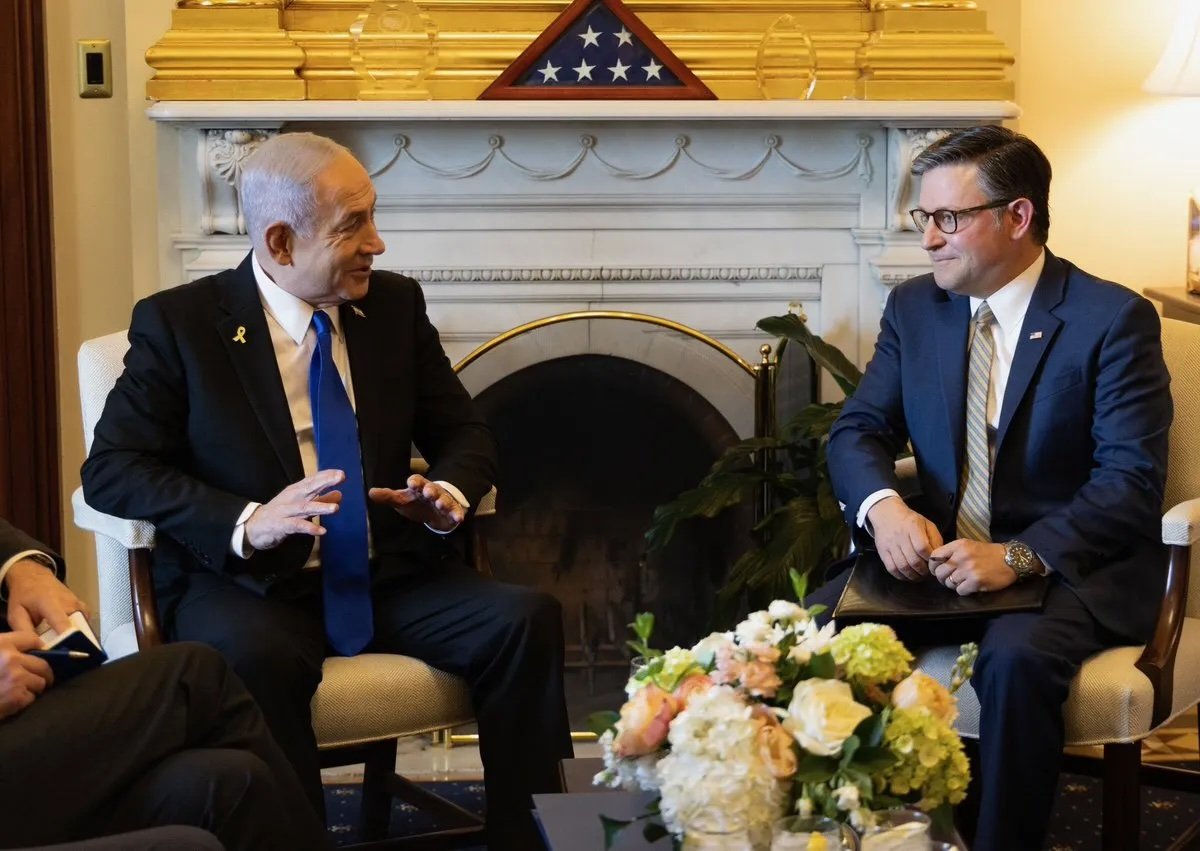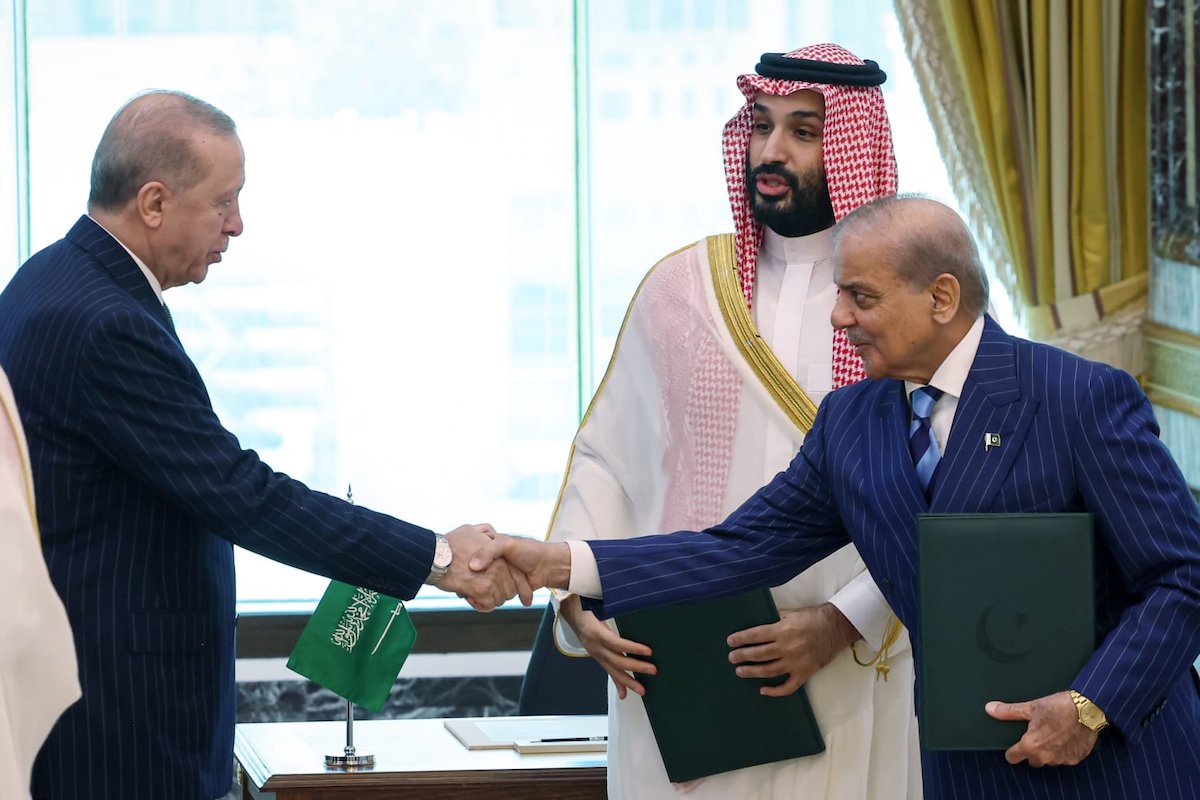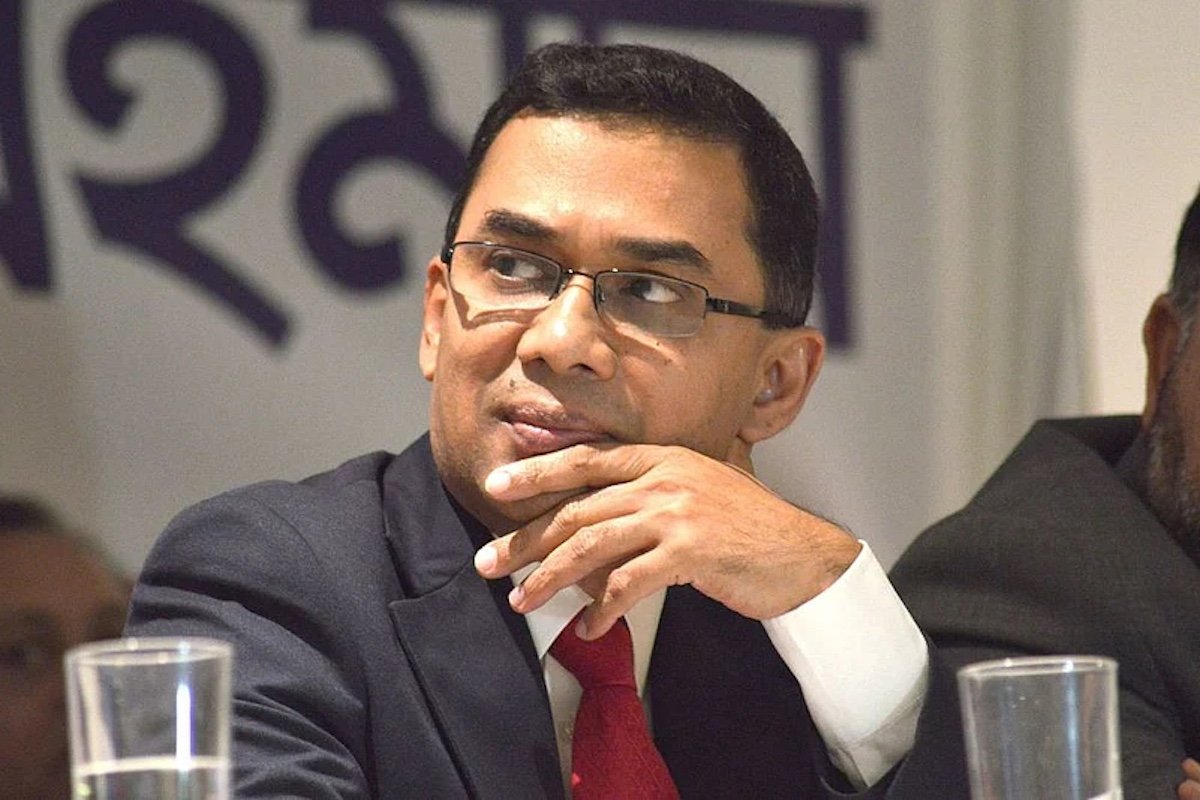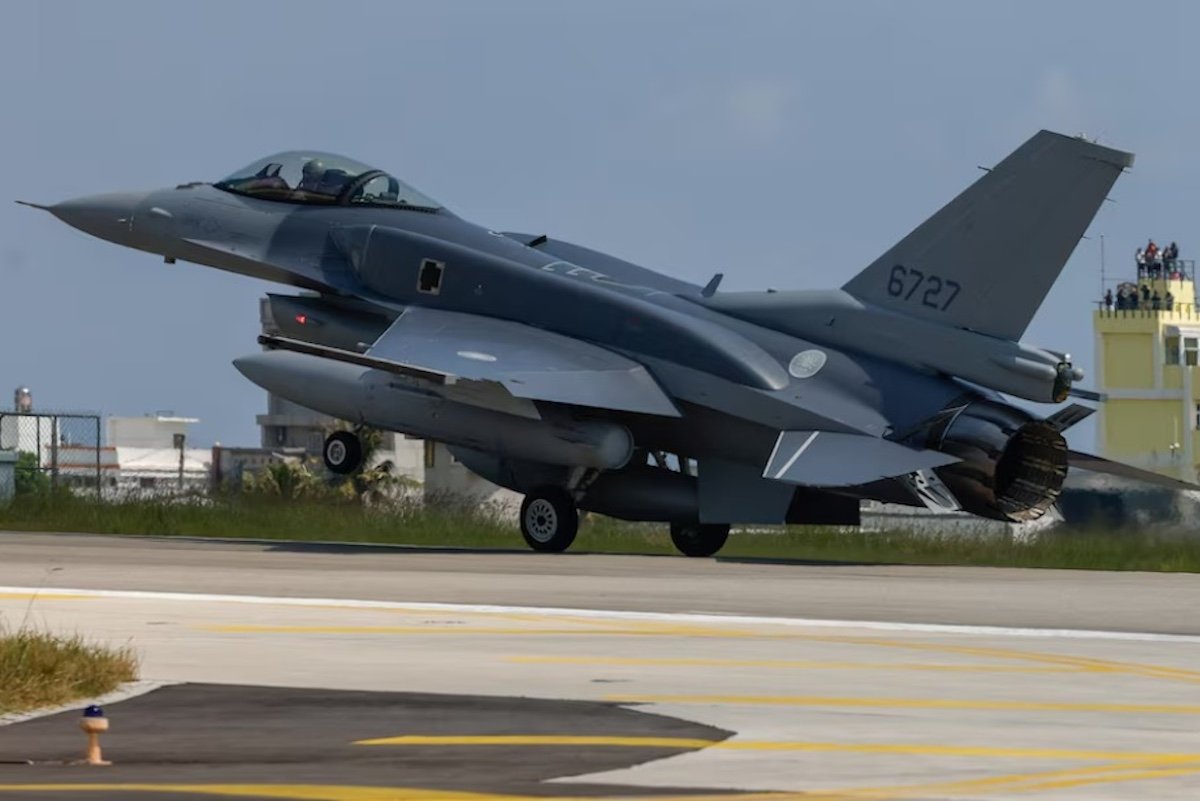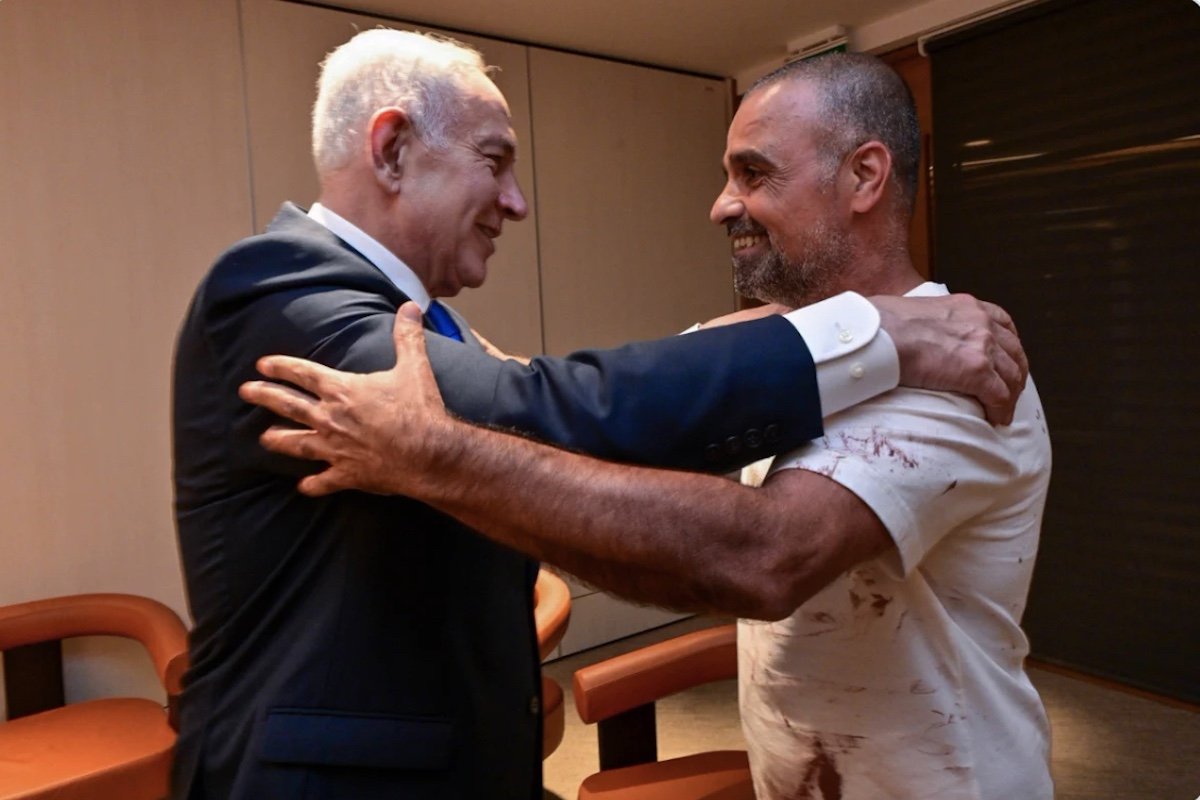
The apparent attempted hijacking of a Flydubai flight carrying 170 passengers, most of them Israeli, has injected fresh momentum into Benjamin Netanyahu's re-election campaign. The incident, which was thwarted by the pilot and passengers, served as a stark reminder of the security threats facing Israelis, a theme the prime minister has been keen to amplify.
Hours before the incident, Netanyahu had released a video warning of attempts to harm Israelis in the lead-up to the October 27 general election. Critics initially dismissed this as a political stunt, aimed at shifting attention from his role in the intelligence and military failures that allowed the October 7, 2023 Hamas attack. But the Flydubai incident has given Netanyahu a tangible example to point to, allowing him to claim that his warnings were justified.
Netanyahu, Israel's longest-serving prime minister, has long cultivated an image as the nation's protector. He was quick to capitalize on the incident, posting on social media a video of himself embracing a passenger who had stormed the cockpit, his shirt still stained with blood. The passenger, a known Netanyahu supporter, was hailed as a hero.
October 7 failures still haunt Netanyahu
Despite the political boost from the Flydubai incident, Netanyahu continues to face intense scrutiny over his handling of the October 7 attack, which killed nearly 1,200 Israelis and saw some 250 taken hostage. He has refused to accept responsibility, blocking the establishment of a judicial commission of inquiry and instead proposing a more favorable investigative committee. He has repeatedly argued that security officials failed to alert him in time, claiming that if he had been woken earlier, "things would have been very different."
However, recent reports contradict this narrative. Israeli media have revealed that Netanyahu and his top security officials received explicit warnings from Arab leaders, including Egypt's intelligence minister and the UAE's Mohammed bin Zayed, days before the attack. A new book also claims that Hamas leader Yahya Sinwar directly warned Netanyahu of an "earthquake" in Gaza, which Israeli officials misinterpreted as a demand for economic concessions.
This failure has been attributed to a deeply entrenched set of assumptions, known in Israel as the conceptzia, which led decision-makers to believe that Qatari money funneled to Hamas would "buy quiet." Netanyahu approved the transfer of millions of dollars from Qatar to Gaza from 2018 onward, but much of these funds are believed to have been diverted to Hamas's military buildup.
Opposition struggles to capitalize
Netanyahu's main challenger is Gadi Eisenkot, a former IDF chief and head of the Yashar! Party, which polls suggest will emerge as the largest party after the election. Eisenkot has called Netanyahu a "pathological liar" and accused him of waging a "forever war as a tool for political survival." However, forming a coalition remains a challenge for the anti-Netanyahu bloc, which is a fragile alliance of right, left, and center parties with little in common beyond their opposition to the prime minister.
A key obstacle is the demand by several Zionist parties for a "Zionist-only" government, which would exclude the Arab Islamic party Ra'am. Ra'am was crucial in enabling the Bennett-Lapid coalition in 2022, and without its support, the anti-Netanyahu bloc may struggle to reach a majority. The fate of small parties that must pass the electoral threshold adds further uncertainty to the outcome.
Recent polls show the race tightening, as the pro- and anti-Netanyahu blocs are nearly evenly matched. The inclusion of Arab parties and the centrist Hendel/Zelekha party could tip the balance, but it remains unclear whether these parties will clear the threshold.
October 7 looms over the vote
The election will take place just days after Israelis mark the third anniversary of the October 7 attack, a date that has profoundly shaped the campaign. Many candidates are family members of victims or soldiers wounded in the war, and a poll of first-time voters shows a significant shift to the right. The war in Gaza, which has killed over 70,000 Palestinians and displaced 1.2 million, remains a deeply divisive issue.
As Israelis head to the polls, the specter of another deadlock looms large. The country urgently needs a leader who can navigate these turbulent times, but the political landscape remains fragmented. Netanyahu's "protector" narrative may resonate with voters, but his record on October 7 and the ongoing war will be hard to escape.