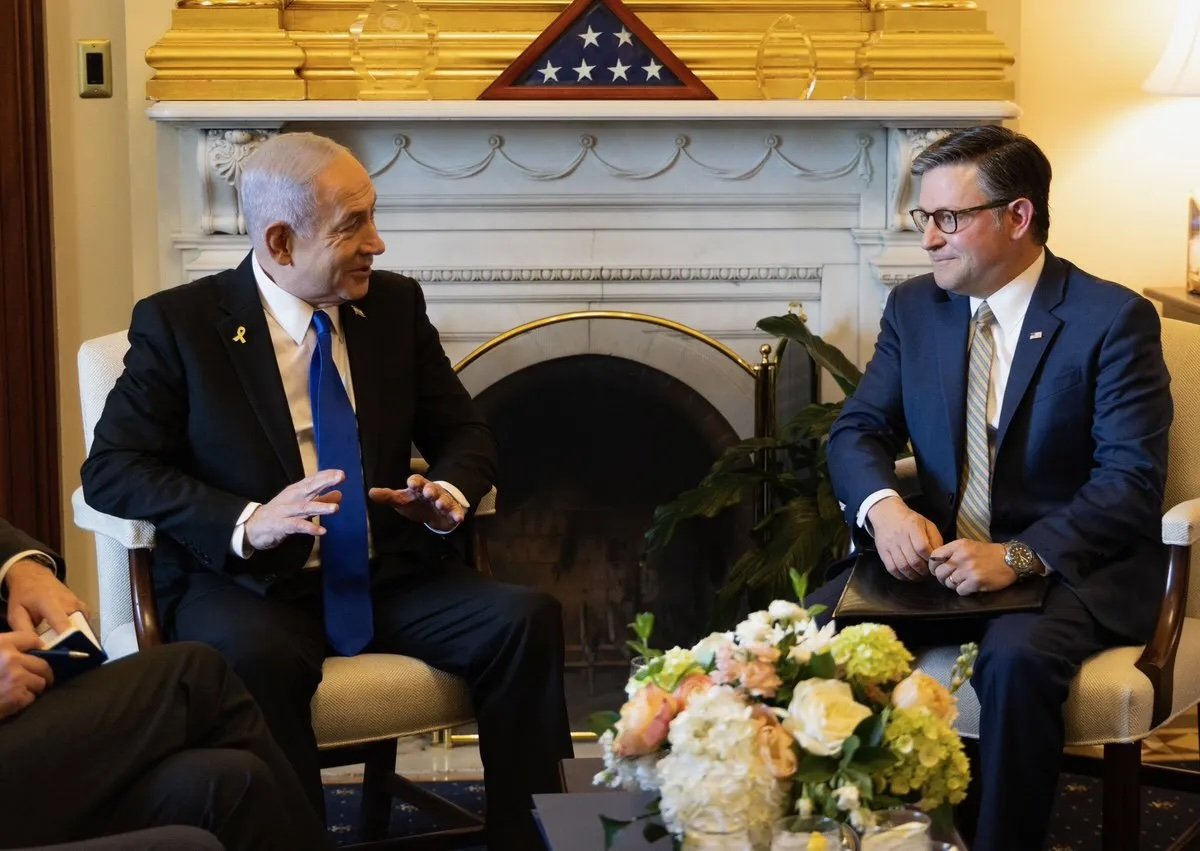
Senator Chris Van Hollen of Maryland, who is weighing a challenge to Chuck Schumer for the Senate majority leader post, has rallied a dozen Democratic colleagues to demand that congressional leaders strip out provisions that would deepen military and intelligence ties between Washington and Jerusalem. In a letter sent on November 10 to both Democratic and Republican leaders, the group argued that the proposed measures would compromise US national security and entangle America in Israeli policies in Gaza, the West Bank, and beyond.
The letter targets three specific provisions in the Fiscal Year 2027 National Defense Authorization Act (NDAA) and the accompanying Intelligence Authorization Act (IAA). Two of those provisions—Section 1217 in the Senate version and Section 219 in the House version—would establish a “United States-Israel Defense Technology Cooperation Initiative” designed to accelerate joint research, development, and industrial collaboration on sensitive military technologies.
“These agreements and projects threaten U.S. national security interests by handing Israel leverage over American weapons systems and military technology,” the senators wrote. They added that embedding Israeli technology into the US defense industrial base would create long-term dependencies, making future policy shifts costly or impractical. “We do not share, let alone co-produce, many of these sensitive technologies even with our closest partners, including NATO or other treaty allies,” the letter continued. “To do so in this instance would be unwise, especially as the government of Israel continues to pursue policies in Gaza, the West Bank, and other parts of the region that are inconsistent with US interests and values.”
A broader battle over US-Israel policy
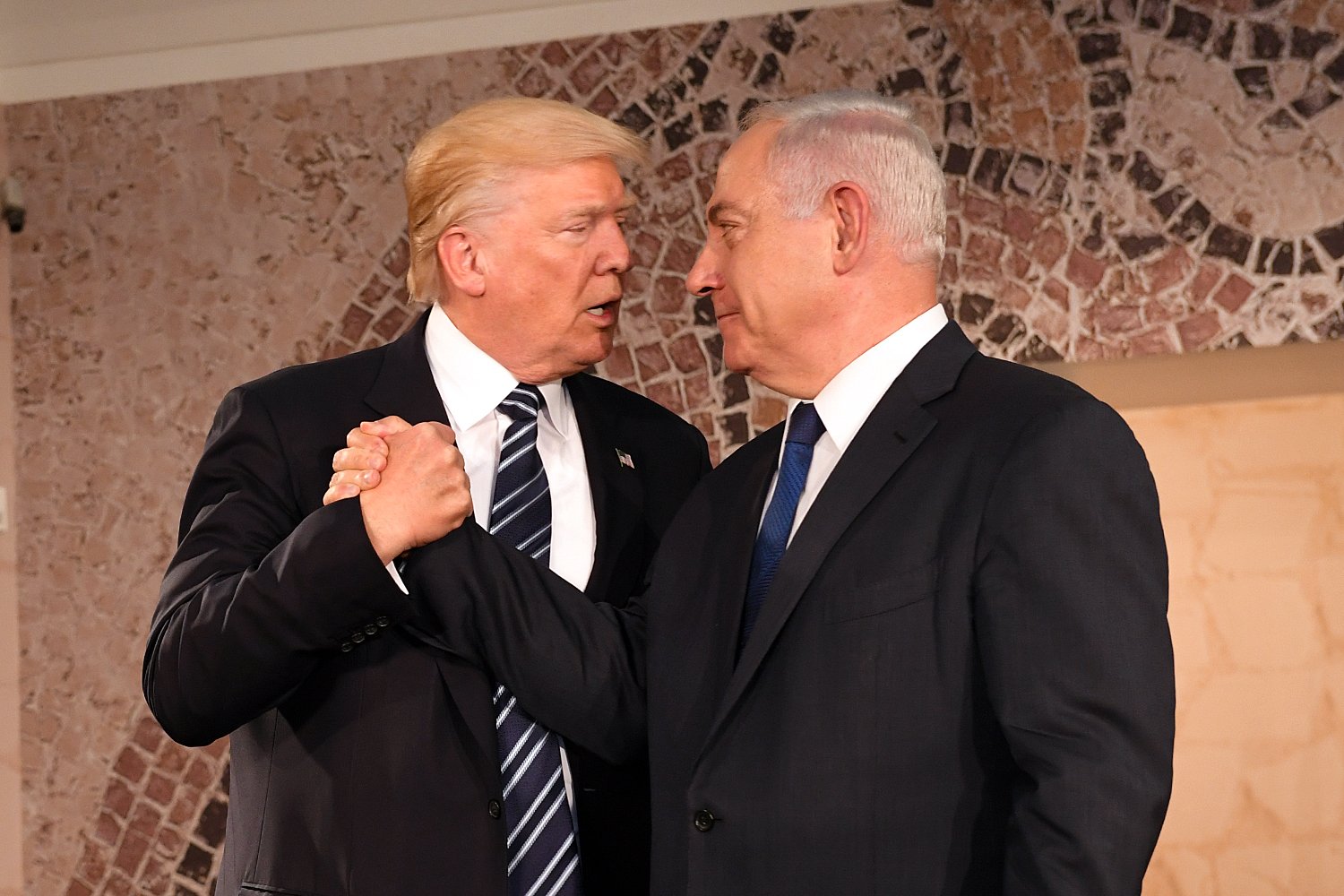
The push comes amid a wider Democratic reassessment of the US-Israel relationship, particularly after the recent midterm elections. President Donald Trump announced on election day that he and Israeli Prime Minister Benjamin Netanyahu had agreed to end the roughly $4 billion in annual US military assistance to Israel. Critics, including journalist Julian Andreone of Drop Site, have suggested that the NDAA provisions are a backdoor way to continue that aid without public scrutiny. “They’re going to transfer all of the aid behind closed doors and cut it from the appropriations process,” Andreone wrote.
Representative Ro Khanna of California has also called for removing the military integration language, saying it “needs to be a top priority” during the lame-duck session. “I am pushing every Democrat and our leadership to get Section 219 out of our defense bill,” Khanna said on social media.
The senators’ letter also objects to Section 618 of the Intelligence Authorization Act, which would require the executive branch to expand intelligence sharing with Israel. They argue that such a mandate would tie the president’s hands, even when limiting intelligence sharing might be necessary to protect US national security. They pointed to recent reports that the Defense Intelligence Agency had raised its counterintelligence threat from Israel to the highest level.
Schumer, the current Senate majority leader, did not sign the letter. Van Hollen’s potential bid for the top Senate post adds a layer of political intrigue, as he positions himself as a more progressive alternative to Schumer on issues ranging from foreign policy to domestic spending.
The NDAA is now in conference, where lawmakers from both chambers must reconcile the House and Senate versions. This provides another opportunity for opponents of US-Israel military integration to strip out the provisions before final passage. The outcome will be closely watched not only in Washington but also across the Indo-Pacific, where US defense commitments and technology-sharing arrangements are under scrutiny. As US-Vietnam defense ties deepen, and as India's defense approvals mask a fighter jet shortfall, the debate over who gets access to American military technology has regional implications.
For now, the Democratic letter signals a growing willingness to challenge the traditional bipartisan consensus on Israel. Whether that translates into actual legislative changes remains to be seen, but the debate is far from over.