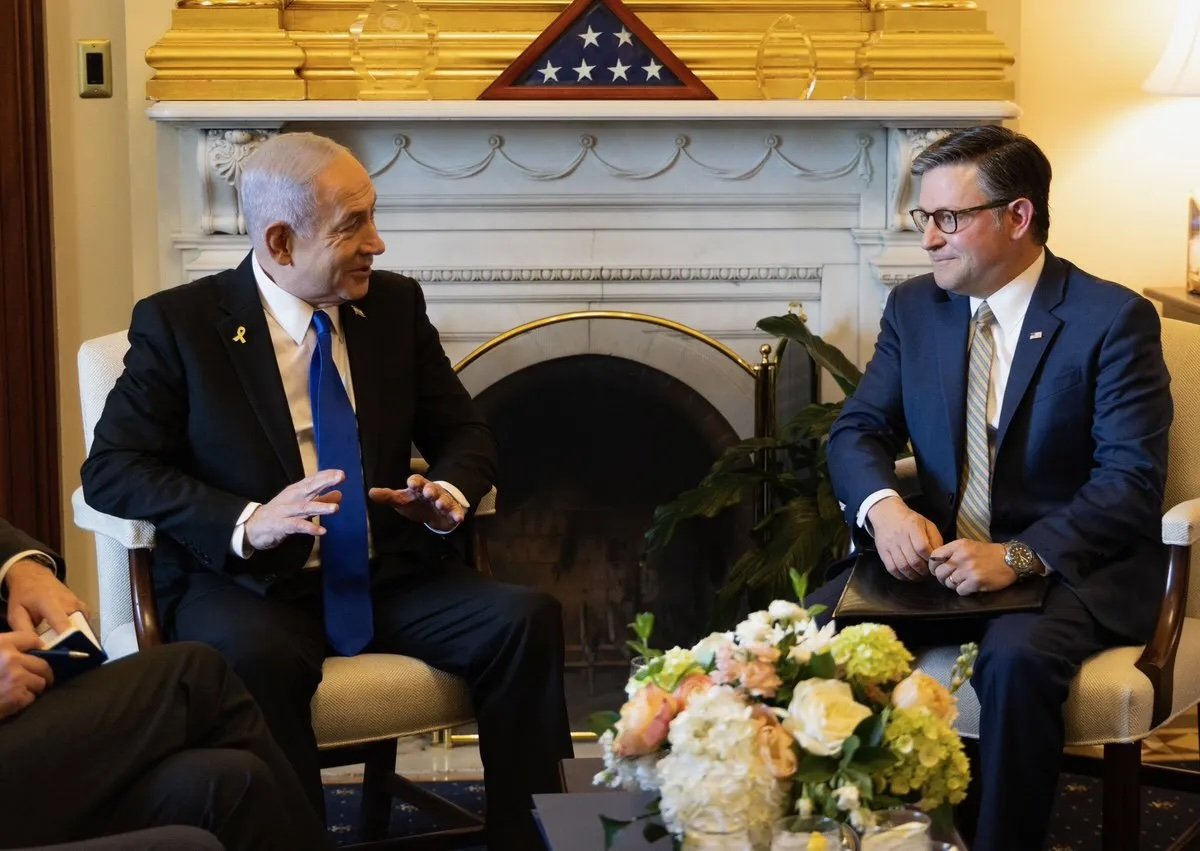
On the morning of the US midterm elections, President Donald Trump made a striking announcement: Washington would halt its annual $4 billion aid package to Israel. Speaking on Fox News, Trump claimed he had struck a deal with Prime Minister Benjamin Netanyahu to end the payments, adding, “We won’t be paying Israel,” while also insisting, “We’ll help Israel if they need it.”
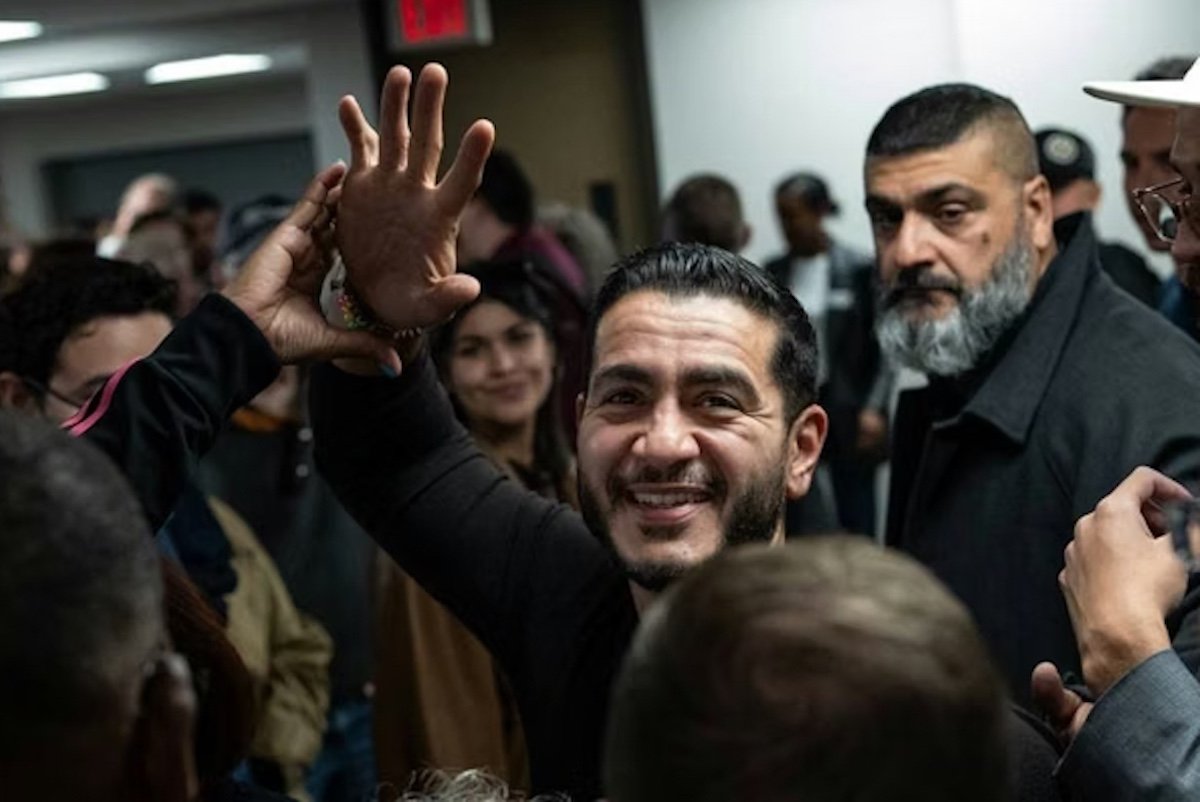
The reaction among long-time critics of US military aid to Israel was muted. Few took Trump’s words at face value, and many saw the announcement as a last-ditch effort to salvage a Republican campaign that was clearly heading for defeat. The election results confirmed those fears: Democrats swept both chambers of Congress, delivering one of the most humiliating losses for the GOP in recent memory.
In the aftermath, Republicans turned on Trump, who himself admitted that the war on Iran had contributed to the party’s downfall. Vice President JD Vance, a potential 2028 contender, was more direct. “The reason we lost is the war,” he tweeted on November 4, urging Republicans to “change our relationship to Israel.” While some in the party criticized Vance for naming Israel, Trump’s own Election Day maneuver revealed that the GOP understood the political liability of unconditional support for the Jewish state.
Trump described the $4 billion payment as “a bad talking point,” acknowledging that critics were using it against Republicans. His admission, coupled with Vance’s remarks, underscored a broader shift: American voters are increasingly questioning the cost and wisdom of the US-Israel alliance.
A costly relationship
The financial burden is staggering. According to the Council on Foreign Relations, the US has provided Israel with over $300 billion in aid (adjusted for inflation) since 1948, making it the largest cumulative recipient of American foreign assistance. Yet the official figures tell only part of the story. Washington has repeatedly found ways to finance Israel’s military beyond the declared annual $3.8 billion in aid.
In April 2024, for instance, President Joe Biden signed emergency legislation granting Israel an additional $8.7 billion in direct military support, including $3.5 billion for foreign military financing and $5.2 billion for missile defense. Such extraordinary measures demonstrate how the US can continue funding Israel even when regular aid becomes politically contentious.
Moreover, Congress has been exploring deeper defense technology cooperation, potentially shifting more spending into Pentagon accounts. This would allow Israel to benefit from billions in American military spending without those funds being labeled as traditional foreign aid—a sleight of hand that Trump’s proposal seems to embody.
The midterm results, however, suggest that voters are no longer satisfied with empty promises. A Quinnipiac University poll found that 48% of registered voters now believe the US is too supportive of Israel, up from just 16% in January 2017. This growing awareness, fueled by independent journalists and analysts, is reshaping the political landscape.
While a Democratic-controlled Congress could block some pro-Israel initiatives, many Democrats remain staunch supporters, and AIPAC continues to spend heavily on congressional races. The path to a fundamental shift in US policy remains uncertain, but the midterms have sent a clear message: Americans are ready to rethink a relationship that has long been taken for granted.
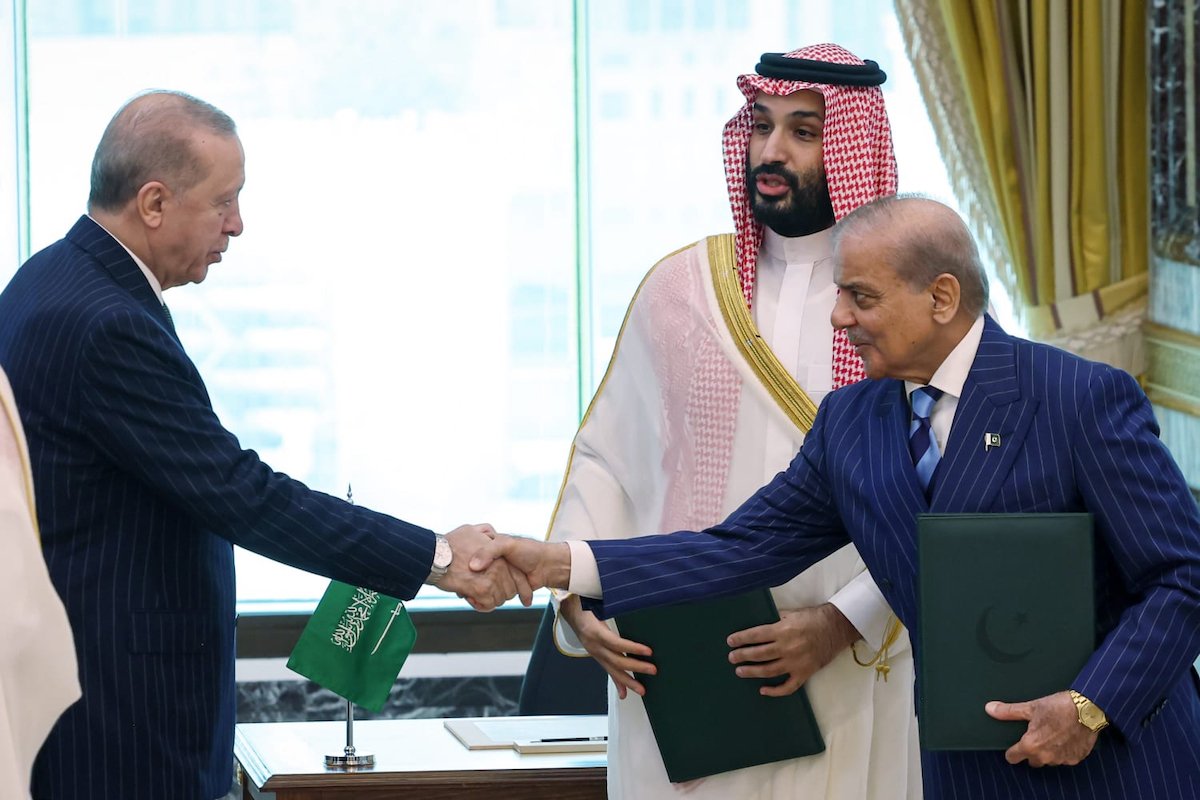
For the Indo-Pacific, this debate carries implications beyond the Middle East. A US less willing to underwrite Israel’s wars may also reconsider its broader military commitments, including in Asia. As the Iran war reshapes Trump's Asia calculus, the region watches closely to see whether Washington’s priorities are shifting.
Ultimately, the midterms offered a ray of hope that ordinary Americans can challenge the powerful interests shaping foreign policy. Whether that translates into lasting change remains to be seen, but the era of unquestioning support for Israel may be drawing to a close.