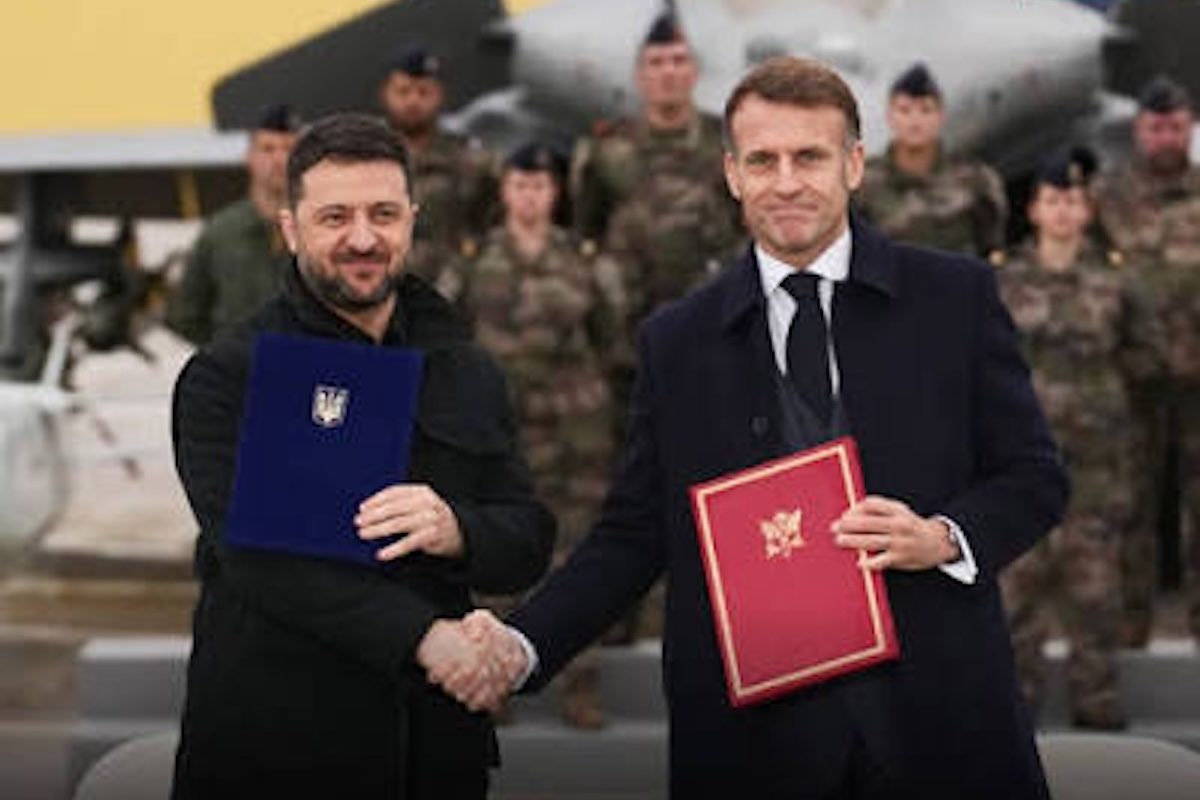
President Emmanuel Macron's government has unveiled a sweeping defense agreement with Kyiv that envisions billions of euros in Ukrainian purchases of French weaponry and licenses to manufacture key systems domestically. The package includes SCALP/Storm Shadow cruise missiles, Aster 30 interceptors for the SAMP/T NG air defense system, and AASM glide bomb kits. Ukraine is also set to buy 16 Rafale F4 fighter jets—each costing between €80 million and €100 million—and likely four SAMP/T NG batteries.
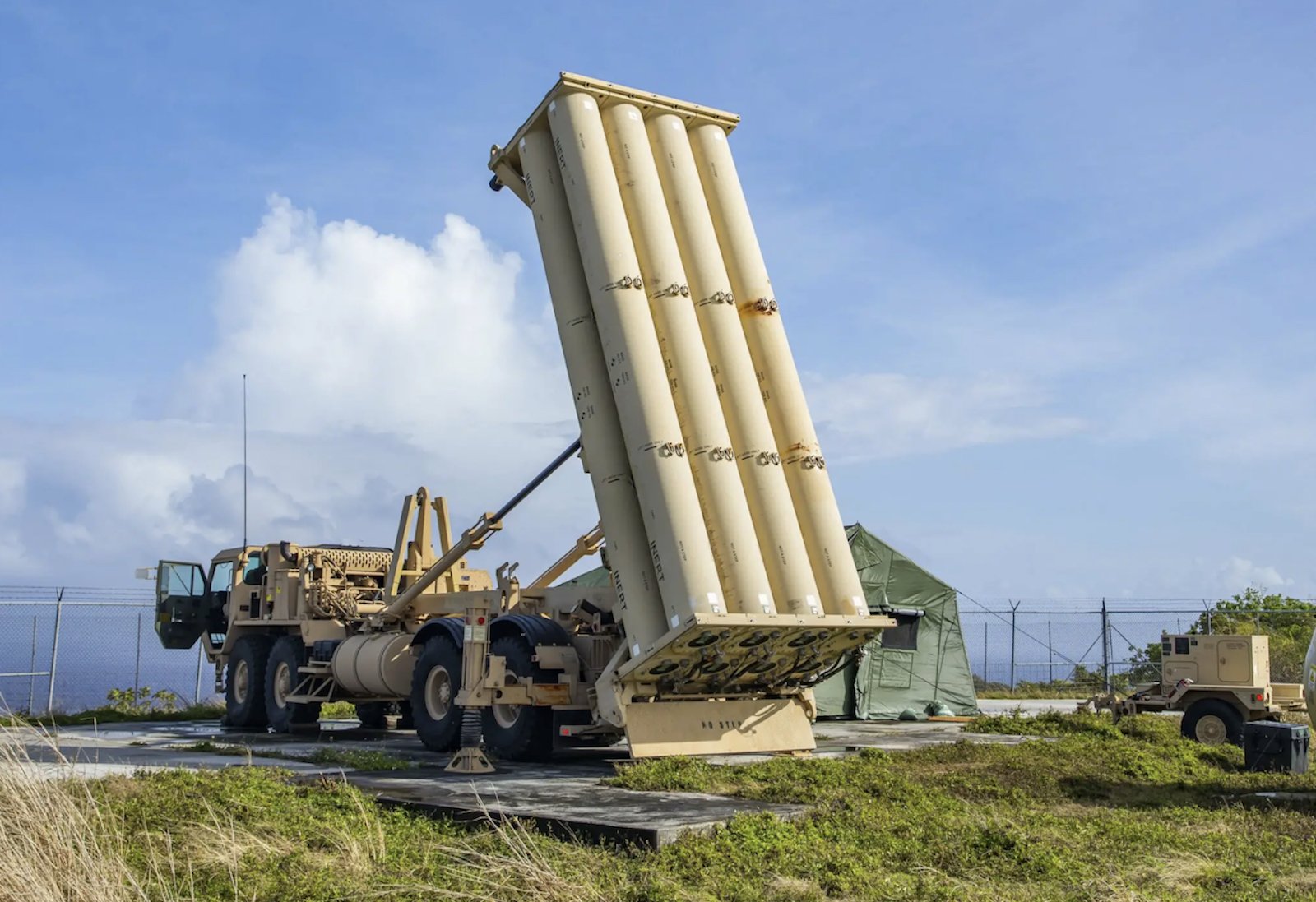
The SAMP/T NG system, produced by the Eurosam consortium, is a high-end asset. For a foreign buyer acquiring a complete package—including the Ground Fire 300 radar, launchers, command-and-control modules, logistics, training, and initial spares—a single battery runs between $700 million and $1 billion. The fighter jets will come with weapons, though the exact mix and quantities remain unspecified.
Licensing fees for producing the Aster 30, SCALP, and AASM munitions in Ukraine have not been disclosed. Industry observers expect the fees to be calculated as a percentage of each item's commercial value, but that detail awaits clarification. Overall, French officials likely anticipate a harvest of $4 billion to $8 billion or more, given the need for ongoing component and spare-part supplies.
Production Bottlenecks and Italian Competition
Yet the deal faces immediate practical obstacles. Italy, a Eurosam partner, has its own order for SAMP/T NG units to meet national defense requirements. Italian procurement almost certainly conflicts with France's limited manufacturing capacity for these systems. Either Italy receives its units by 2030, or Ukraine does—but not both. While Eurosam has agreed to boost production, timelines and financing for the expansion remain unclear.
Who will foot the bill? Not France, according to the deal's structure. Paris expects the European Union to underwrite the cost, effectively enriching French industry at the expense of other member states. This dynamic is likely to provoke significant pushback from European governments reluctant to subsidize France's defense sector. The lack of a clear funding mechanism could turn the entire arrangement into a non-starter once political realities set in.
Macron's gambit also has a transatlantic dimension. The French president sought to upstage the Trump administration, which had proposed a similar licensing deal for Patriot interceptor production in Ukraine—but with the expectation that NATO would pay for the Lockheed Martin license. NATO is unlikely to agree, just as it is unlikely to underwrite the French package. The result is a standoff that leaves Ukraine in limbo.
For Kyiv, the real prize would be the ability to manufacture advanced Western weapons domestically, reducing dependence on foreign supply chains. But as the US offer for PAC-3 missile production showed, such licenses come with stringent limits. Even if a factory in Ukraine eventually churns out French missiles or glide bombs, that day is years away—if it arrives at all.
The broader context is that Ukraine's defense needs are immediate. Its drone campaign in the Sea of Azov and ongoing ground operations require steady supplies of munitions now, not promises of future production. Meanwhile, France's deal risks becoming a political trophy for Macron rather than a practical lifeline for Ukraine.
At the end of the day, the real loser is Ukraine. The French deal starts with a whimper, not a bang. Pity poor Emmanuel.