For four centuries, the global economy moved steadily toward greater integration, a trajectory that survived even the upheaval of two world wars. This process, driven by expanding trade, cross-border investment, mass migration, and technological leaps in transport and communication, defined the modern era. Economic historian J. Bradford DeLong notes the world economy grew 860-fold from 1650 to 2020, with peak growth aligning with intense trade expansion: first in the 19th century and again post-World War II until the 2008 financial crisis.
Today, that grand project is receding. Globalization is not dead, but its decline is palpable. This shift prompts a critical question: is this a positive development or a profound danger? The answer hinges on understanding the historical role of a single, dominant power in sustaining global economic order—a role the United States is now abdicating without a clear successor.
The Hegemonic Vacuum and Asia's Stakes
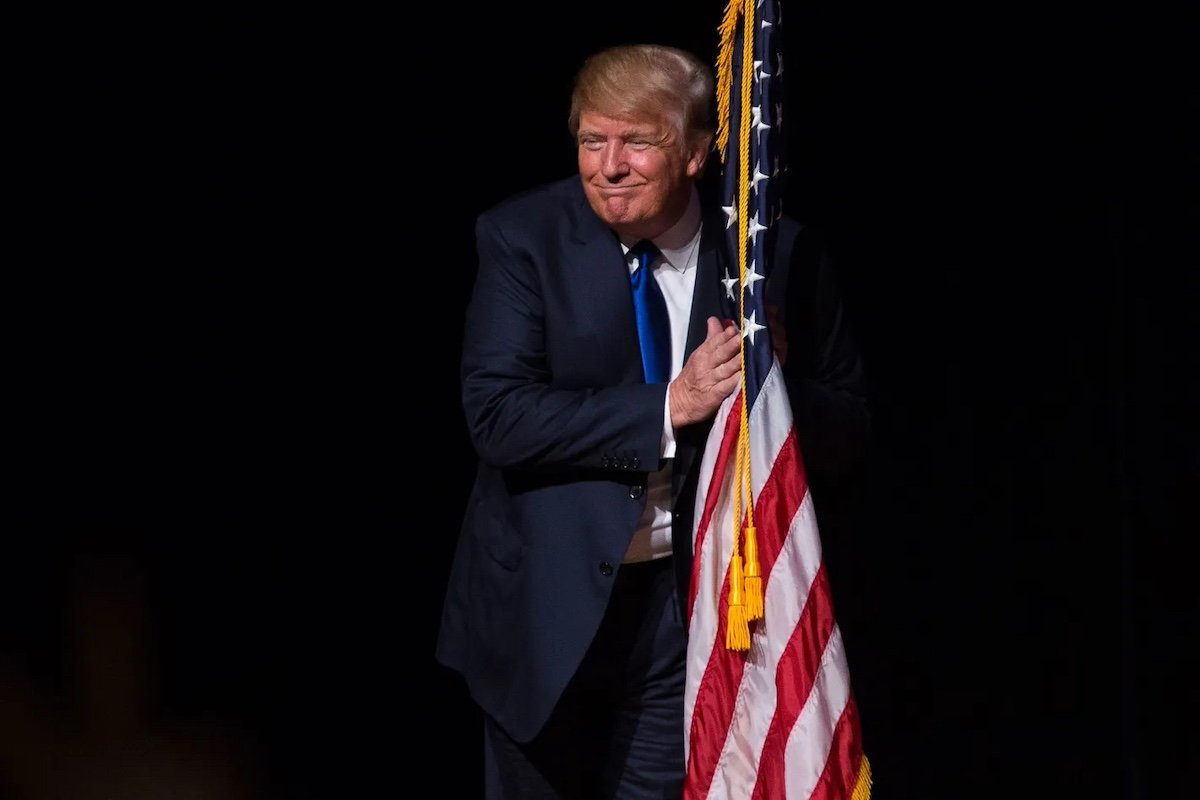
Every major phase of globalization since the mid-1600s has been underpinned by a hegemonic power that set the rules, backed by military, financial, and political might. The United States assumed this role after World War II. However, under the America First policies championed by former President Donald Trump and continued in various forms, the U.S. is retreating into isolationism. While Trump's tariffs exacerbated global economic strains, they reflect a deeper, decades-long reality: the relative decline of U.S. economic primacy.
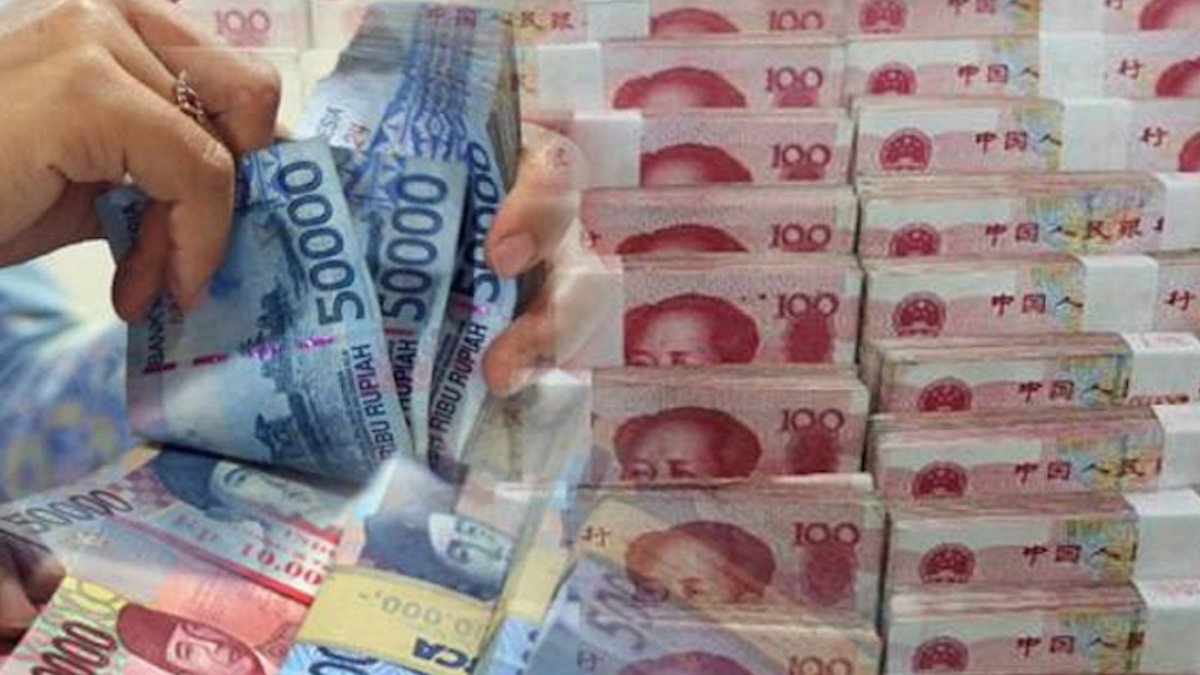
No other nation is positioned to assume this leadership mantle in the foreseeable future. Many look to China, but Beijing confronts substantial obstacles. Its economy faces significant internal challenges, and the renminbi lacks the full convertibility and trust required of a true global reserve currency. Furthermore, as a one-party state, China lacks the democratic legitimacy that helped secure international acceptance of past American leadership. This creates a dangerous power vacuum at the heart of the global system, with direct consequences for the trade-dependent economies of the Indo-Pacific.
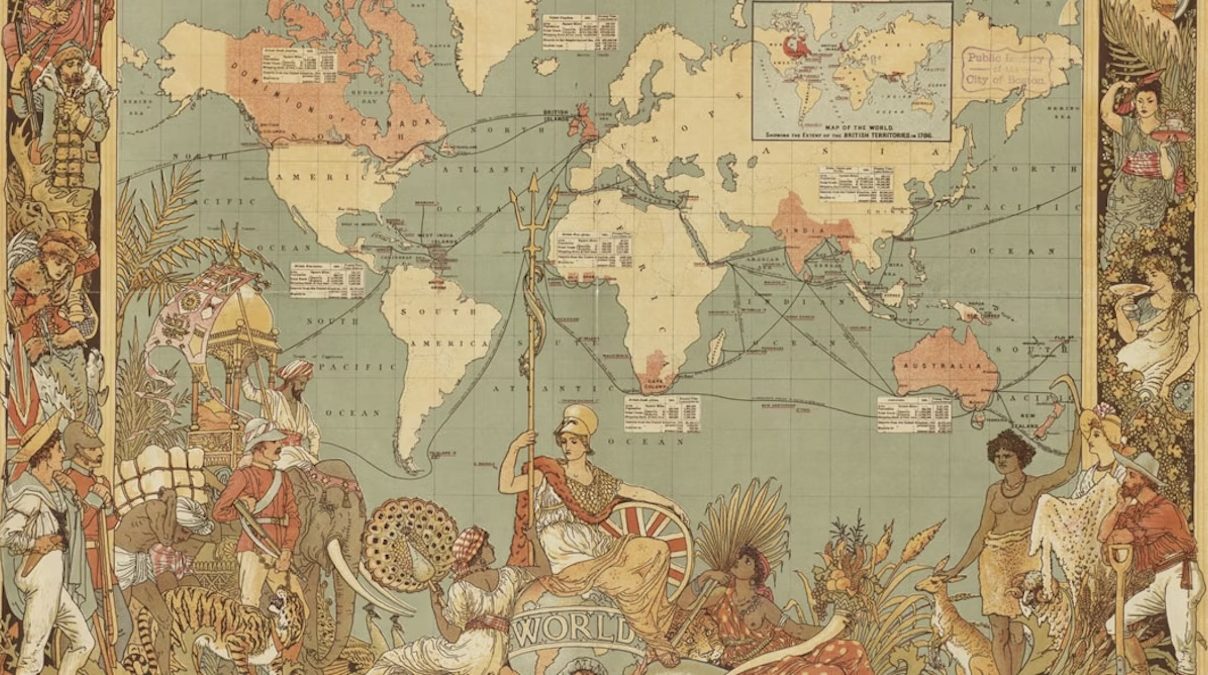
History offers a stark warning about the perils of such a vacuum. The interwar period of 1919-1939 followed Britain's decline as hegemon and America's refusal to lead. The result was economic and political chaos: stock market crashes, banking failures, rampant unemployment, and the rise of fascism. Nations erected trade barriers and engaged in self-defeating currency wars, cratering global trade and growth.
A century later, the world risks a similar descent. A deglobalizing landscape threatens the export-oriented models of nations like Japan, South Korea, and Vietnam, while increasing the potential for conflict over trade and technology. The competition to build strategic supply chains, such as in fusion energy, exemplifies how geopolitical rivalry is reshaping economic integration.
The Mercantilist Blueprint: From Colbert to Modern Rivalries
The theoretical underpinnings of using economic policy for national dominance are centuries old. By the mid-1600s, France, under King Louis XIV and his powerful finance minister Jean-Baptiste Colbert, systematized mercantilism. This doctrine viewed trade as a zero-sum contest. The goal was to run persistent trade surpluses to amass gold bullion, strengthening the state while deliberately weakening rivals by depriving them of wealth.
Colbert's famous dictum captured this worldview:
"It is simply, and solely, the absence or abundance of money within a state that makes the difference in its grandeur and power."
France applied this across government policy, but it was not alone. England and the Dutch Republic employed similar tactics through monopolistic trading companies and colonies to challenge the Spanish empire. In contrast, vast Eastern empires like Ming China and Mughal India, with immense internal resources and revenue generation, did not depend on international trade for their prosperity in the same way.
Modern economic statecraft, particularly the tariff wars and technology decoupling efforts between Washington and Beijing, echoes this mercantilist logic. The focus has shifted from accumulating gold to securing technological supremacy and controlling critical supply chains. This shift directly impacts Asian nations caught in the middle, forcing choices that can reshape their economic futures.
The retreat from globalization and the lack of clear leadership create a fragmented, more volatile international environment. For Asia, a region defined by complex interdependencies, this new era presents acute risks. It threatens the economic foundations of decades of growth and increases the likelihood of regional tensions, as seen in the protracted strategic competitions that strain global stability. The question is no longer if globalization is reversing, but how Asia and the world will navigate the unstable landscape that follows.