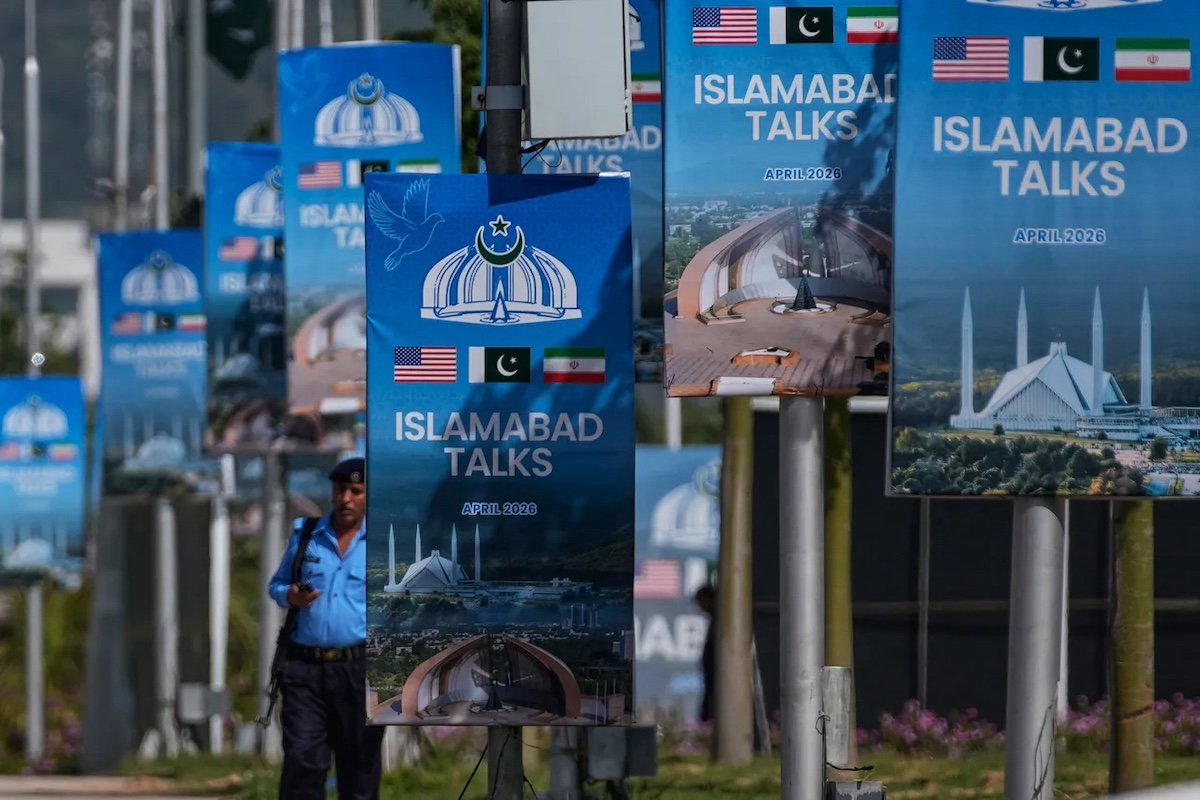
President Donald Trump revealed over the weekend that he is exploring a deal to end the US military campaign against Iran, a move that has alarmed hawkish members of his own party. The conflict, which Trump launched in late February, has drawn sharp criticism from both domestic and international observers, and the prospect of a negotiated settlement is now raising new questions about the administration's strategy.
According to a Sunday report in The New York Times, the details of any potential agreement remain unclear, particularly regarding the fate of Iran's enriched uranium stockpile. US and Iranian officials have offered conflicting accounts of the proposed terms, suggesting that significant negotiations lie ahead before a final accord can be reached.
Republican Senators Voice Alarm
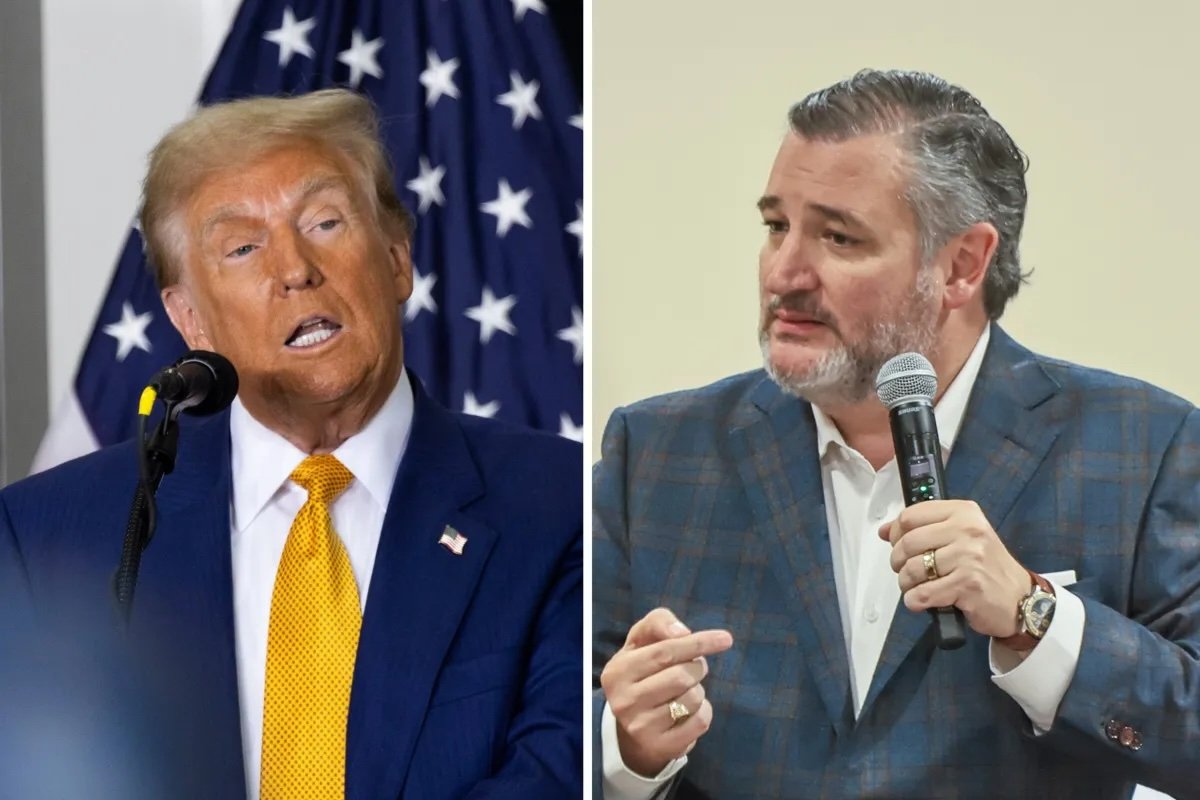
Three influential Republican senators have expressed deep concern about the rumored deal. Senator Lindsey Graham of South Carolina, who repeatedly urged Trump to attack Iran before the war began, warned that a weak agreement could destabilize the region further.
"If it is perceived in the region that a deal with Iran allows the regime to survive and become more powerful over time, we will have poured gasoline on the conflicts in Lebanon and Iraq," Graham wrote. "A deal that is perceived to allow Iran to survive and possess the ability to control the Strait of Hormuz in the future will put Hezbollah in Lebanon and the Shia militias in Iraq on steroids."
Senator Ted Cruz of Texas echoed those concerns, saying he was "deeply concerned" by reports that the deal could include sanctions relief while leaving Iran capable of shutting down the Strait of Hormuz. "If the result of all that is to be an Iranian regime – still run by Islamists who chant 'death to America' – now receiving billions of dollars, being able to enrich uranium and develop nuclear weapons, and having effective control over the Strait of Hormuz, then that outcome would be a disastrous mistake," Cruz wrote.
Senator Roger Wicker of Mississippi was even more blunt, calling the rumored 60-day ceasefire a "disaster." He argued that any agreement reached under such terms would render the achievements of Operation Epic Fury meaningless.
Critics Question War's Success
Ben Rhodes, a former deputy national security adviser under President Barack Obama, pushed back against Wicker's claims, asserting that the war had accomplished nothing of value. "Nothing was accomplished by Operation Epic Fury," Rhodes wrote, "except putting the Islamic Revolutionary Guard Corps in charge of Iran and the Strait of Hormuz."
Stephen Wertheim, a senior fellow at the Carnegie Endowment for International Peace, agreed, stating that "everything accomplished by Operation Epic Fury is already for naught." Ali Vaez, director of the Iran Project at the International Crisis Group, accused the hawks of delusion, arguing that further bombing would not force Iran to capitulate. "DC's Iran hawks got two wars, nearly every conceivable sanction designation, a blockade, threw a wrench in global economy," Vaez wrote, "and will still claim that just a little more pressure and a touch more bombing will magically yield the concessions they still won't be satisfied with."
The debate over the Iran deal comes amid broader tensions in the Indo-Pacific, where Trump's approach to China has also drawn scrutiny. In a recent meeting with Chinese President Xi Jinping, Trump was reportedly lectured on hubris and the Thucydides Trap, highlighting the strategic challenges facing Washington in the region. Meanwhile, Trump's Taiwan remark has exposed a US strategic gap in Asia, further complicating the administration's foreign policy posture.
As the Trump administration weighs its options in Iran, the outcome of any deal will have significant implications for global energy markets and regional stability. The Strait of Hormuz, a critical chokepoint for oil shipments, remains a flashpoint, and the risk of a deeper energy crisis looms as oil reserves plummet. For now, the hawks in the GOP are making clear that they will not accept a deal they see as a capitulation to Tehran.