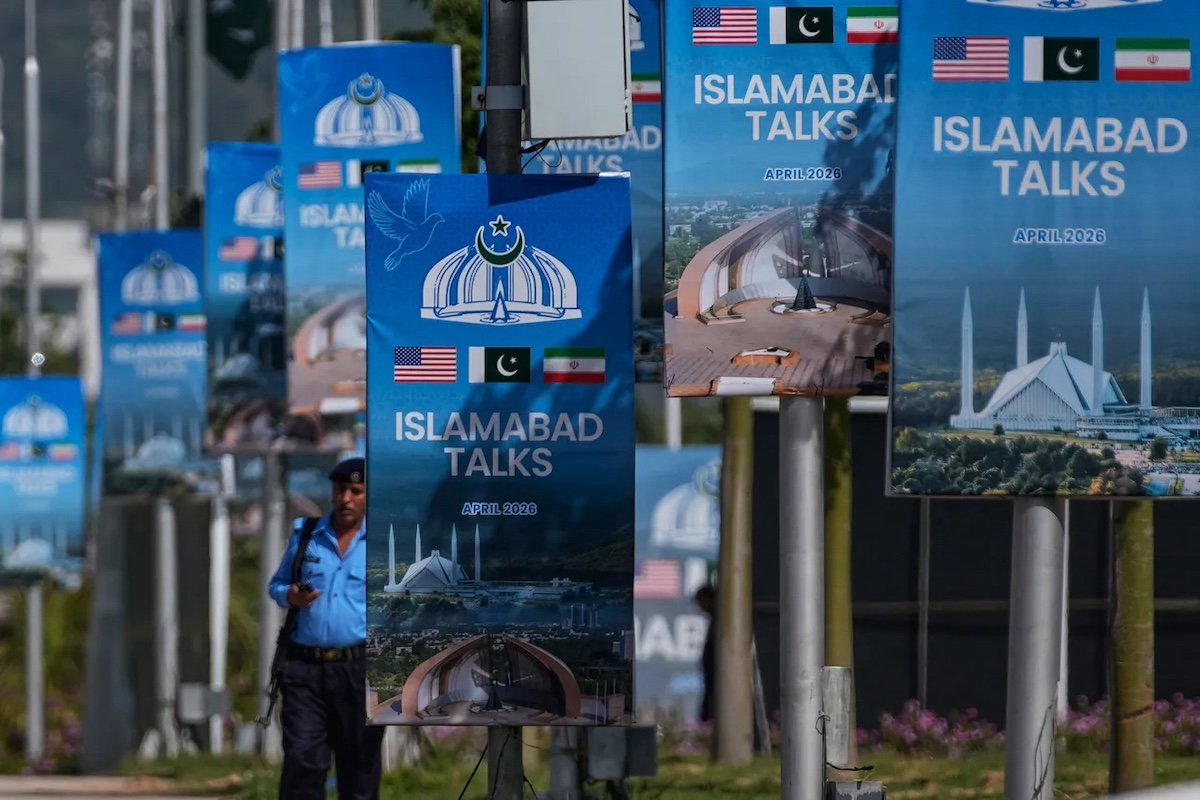
The standoff over the Strait of Hormuz has deepened after Iran rejected the latest US peace proposal, and President Donald Trump dismissed Tehran's counteroffer. The impasse, mediated indirectly through Pakistan, has stalled progress on broader negotiations. At the heart of the dispute is Iran's insistence on asserting sovereignty over the strait—a position that contradicts established international maritime law.
The status of Hormuz is a consequence of the conflict, not its root cause. Free transit through the strait is a right enjoyed by all maritime nations under the 1994 United Nations Convention on the Law of the Sea (UNCLOS), which 168 countries have ratified. The US has not ratified UNCLOS but upholds its core provisions as customary law. Iran's demand for a new regime that grants it control over shipping lanes is incompatible with this framework.
The Legal Framework at Risk
Hormuz is one of several critical chokepoints—alongside Gibraltar, Malacca, and the Bab-el-Mandeb—where narrow waters connect two international bodies. Under UNCLOS, coastal states like Iran and Oman cannot inhibit transit passage, charge tolls, or discriminate among users. Before the war, this regime functioned smoothly. Restoring it is essential not only for regional stability but to prevent a cascade of similar demands elsewhere. An Indonesian finance minister has already speculated about the revenue a toll booth in the Malacca Strait could generate. If such practices spread, the cost of goods shipped from Asia to Europe or the Middle East to East Asia could skyrocket.
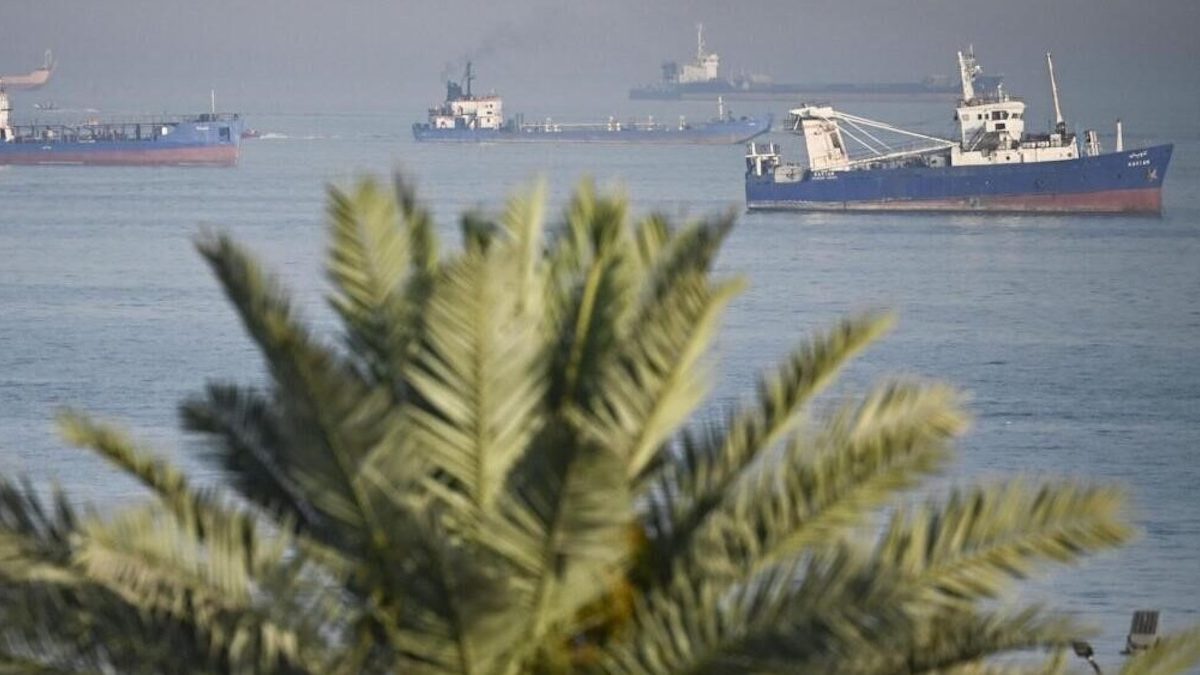
After Israeli and American attacks, Iran declared the central navigation channel through Omani waters dangerous—presumably mined—and forced shipping to the Iranian side, where it could be taxed and controlled. The US blockade, enforced in mid-April, was the logical response. Both sides believe time favors them, but the result is a near-total halt in transit, with only a trickle of vessels moving through.
A Path Forward: De-linking Hormuz from Nuclear Talks
The most pragmatic solution is to de-link the Hormuz issue from the broader nuclear negotiations. Free transit is an international right, not a bargaining chip. A temporary humanitarian corridor—similar to the 2022 Ukrainian grain deal—could allow trapped ships and crews to exit the Gulf while de-mining the central channel. But a permanent fix requires a collective diplomatic push.
A coalition of UNCLOS parties, including China, India, and European nations, should demand immediate restoration of the UNCLOS regime. This group must include countries with influence over both Iran and the US. The leadership should come from smaller and middle-sized Asian states most dependent on Hormuz, such as South Korea, Japan, and Singapore. The effort would be purely diplomatic, insisting on compliance with existing law without taking sides.
Would the belligerents listen? They might welcome a face-saving exit from a mutual dilemma. The UNCLOS solution preserves Iranian and Omani sovereignty over their islands and territorial waters, just as Morocco, Spain, and the UK manage Gibraltar, or Indonesia and Malaysia manage Malacca. Iran's insistence on control may be a bargaining position, but Tehran must accept that no special exception can be made for Hormuz.
Neither side loses leverage by accepting a multilateral demarche. Both have already proven their ability to block the strait. Reopening would yield economic and political gains for all. This approach also frees negotiators to focus on the original point of contention: Iran's enriched uranium. As President Trump has noted, that issue is less immediately urgent because the material is deeply buried and monitored.
The Hormuz blockade has shattered Asia's growth model, exposing the region's energy dependency. A multilateral push to reopen the strait is not just a legal necessity but an economic imperative for countries from Tokyo to New Delhi. The alternative—a prolonged standoff—will only deepen the global energy crisis and raise costs for everyone.