In a rare display of political vulnerability, India's ruling Bharatiya Janata Party (BJP) conceded to public pressure when Education Minister Dharmendra Pradhan resigned on July 25, 2026. The resignation came after weeks of mass protests led by Gen Z students, who took to the streets to demand accountability over recurring leaks in entrance examinations that determine access to medical schools and coveted government jobs.
The movement's unlikely catalyst was a remark by India's Supreme Court Chief Justice Surya Kant, who in May referred to unemployed youth as "parasites" and "cockroaches." The insult resonated with Abhijeet Dipke, a 2025 Boston University graduate in public relations, who posed a question on X: "What if all the cockroaches come together?" Dipke, from a Dalit family, drew inspiration from Dr. B.R. Ambedkar, the legendary anti-caste leader, and launched the Cockroach Janta Party (CJP) on Instagram. Within days, the satirical party amassed a following in the tens of millions, tapping into widespread anger over the leak of questions from the National Eligibility-cum-Entrance Test (NEET).
The NEET exam is a high-stakes gateway: an estimated 2 million students compete for just 130,000 medical seats, and illicit access to questions has become a lucrative underground trade. When leaks were reported, at least 21 students took their own lives in despair, according to local reports. Ahilya Majithia, a New Delhi-based journalist who documented the movement, explained the exam's significance: "It's one of the most competitive exams in India. It's basically an exam to get into a medical college. So, it obviously requires a lot of preparation, and people study for years to just give this exam."
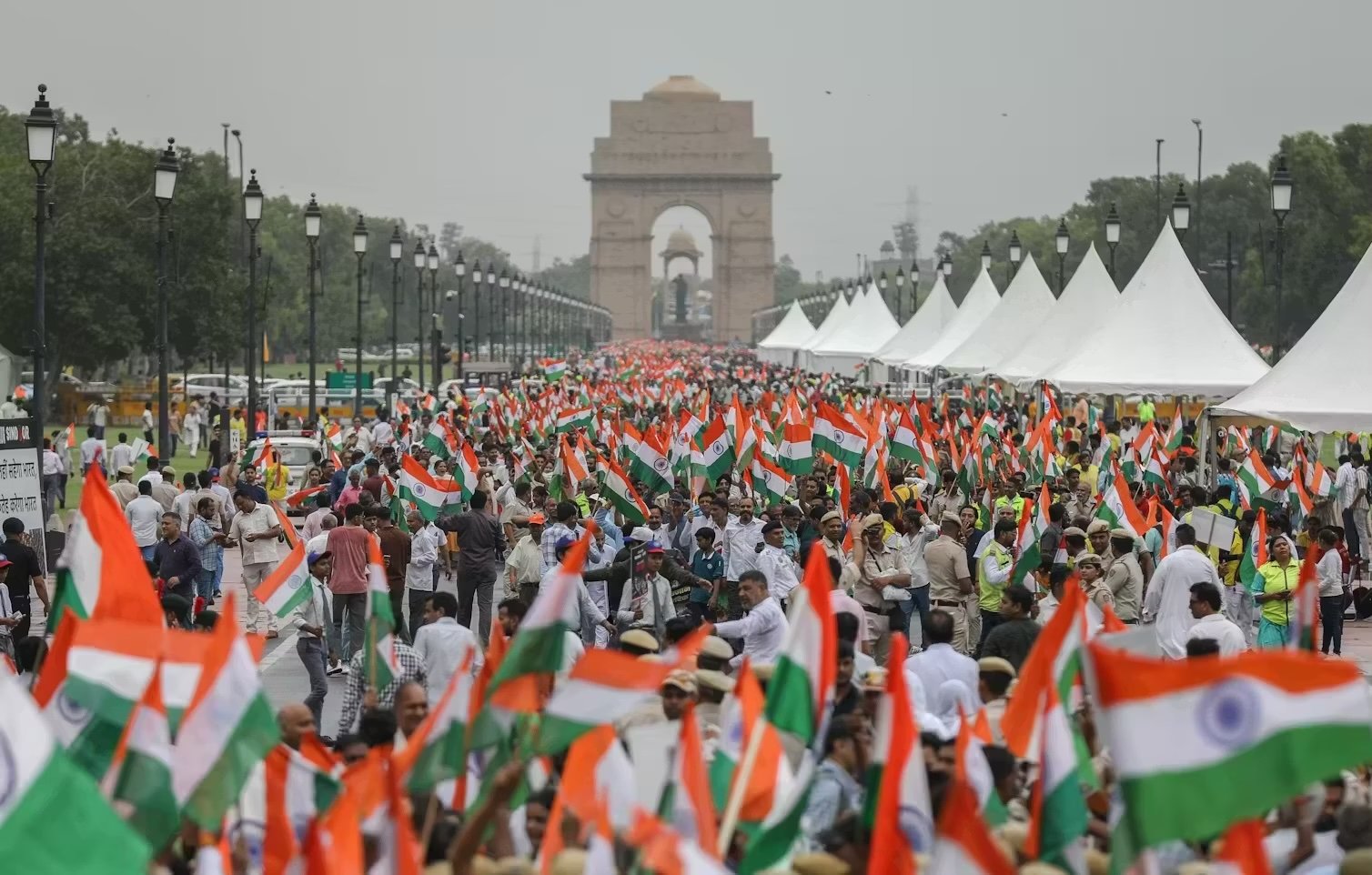
The CJP's online protests quickly spilled into the physical world. Dipke flew from Boston to Delhi in early June, arriving at the airport holding a copy of Ambedkar's autobiography, a symbol of his Dalit heritage. Students occupied public spaces, including Delhi's historic Jantar Mantar, an 18th-century astronomical observatory that became a focal point for demonstrations. Protests spread to Assam, Maharashtra, West Bengal, and Bihar, with police brutality captured on smartphones and shared widely on social media, further fueling public outrage.
A rare concession
The protesters' demands were clear: the education minister's resignation and financial restitution for families of students who died by suicide. As Majithia noted, "It's never happened" that the BJP has bowed to political pressure. Actress-turned-MP Kangana Ranaut had defiantly told the press that "no one can pressure the government into who to sack and who to retain," a statement that underscored the party's disdain for democratic accountability. Yet Pradhan's resignation marked a historic reversal.
Majithia emphasized that the protests were not anti-government or anti-BJP per se: "I think this was a very non-political issue." The movement, she said, gave people "the sense of power that we can fight the government to change certain things." The CJP has since insisted that all arrest warrants against student protesters be withdrawn and has threatened to resume actions over reports of government harassment.
The resignation, however, is only the beginning. Saurav Das, the CJP's main spokesperson and a former investigative journalist, is negotiating with the Modi government on a five-point reform plan for the education and examination system. The plan includes stricter standards for testing authorities, a contingency plan for reexaminations, and better compensation for affected students. But as Majithia pointed out, "There have been so many failures of the education system, not just the NEET paper leak."
The broader issue of economic justice for India's youth remains unresolved. A 2026 report by Azim Premji University highlights the precarious prospects for young Indians, who face years of study and debt only to find a shrinking pool of stable jobs. The Gen Z-led protests have exposed a systemic crisis that goes beyond exam leaks, raising questions about whether the government will address the deeper structural inequalities. As the movement transitions from street protests to policy negotiations, its ability to sustain momentum will be tested. The celebrations over Pradhan's resignation may be short-lived if the promised reforms fail to materialize.
For now, the "cockroaches" have proven they can bite. The movement has not only forced a minister's exit but also challenged the BJP's aura of invincibility. Whether it can translate this victory into lasting change for India's youth remains an open question, one that will shape the country's political landscape in the years to come.