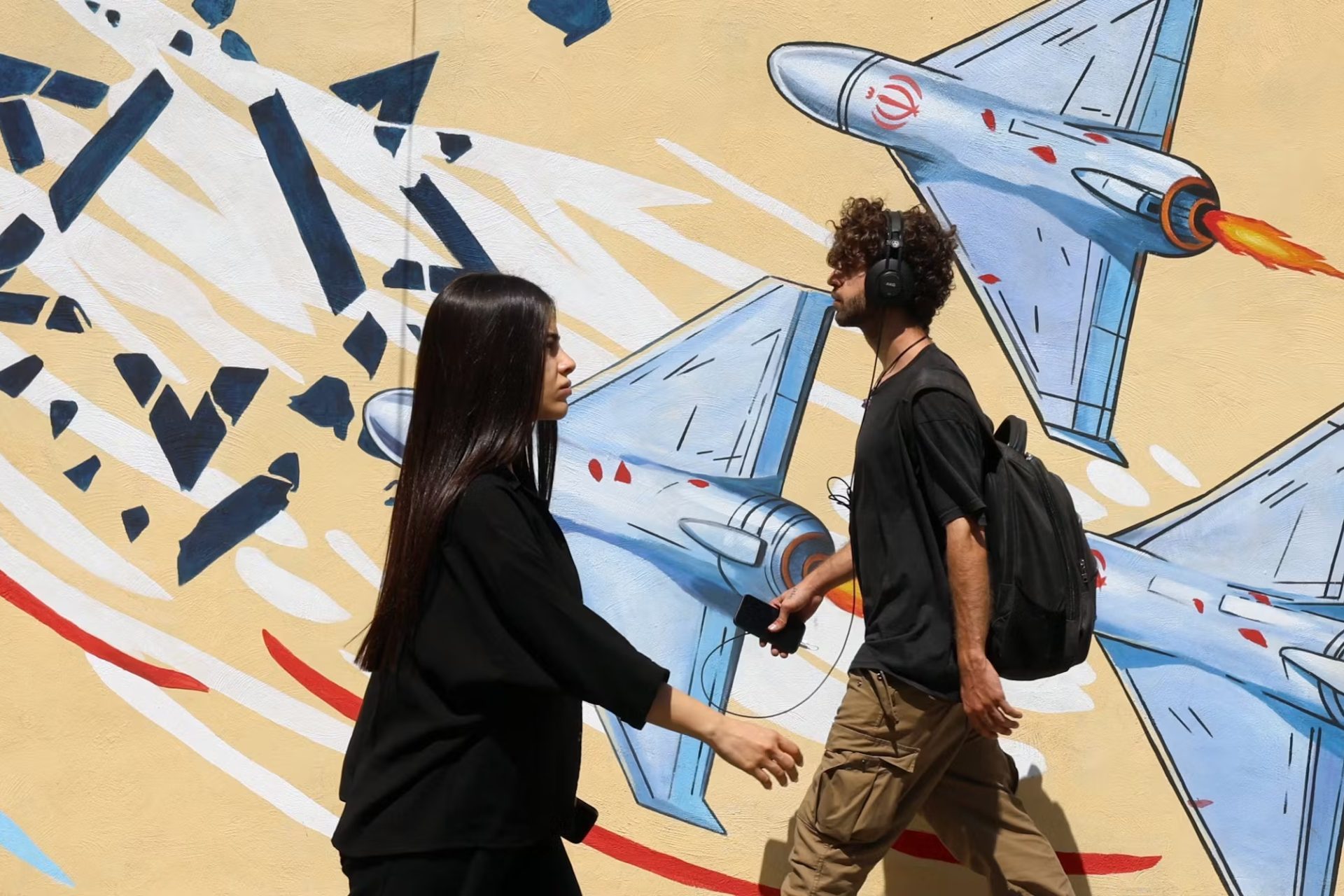
Coverage of the escalating conflict between Iran, Israel, and the United States has largely focused on battlefield developments and diplomatic maneuvers. Yet on the streets of Tehran, Isfahan, and Shiraz, a quieter but equally significant story is unfolding: ordinary Iranians are using art, culture, and internet humor to forge community and resist the logic of war.
In moments of crisis, public visibility becomes a way to reclaim agency. After US President Donald Trump threatened Iran's critical infrastructure in April, musician Ali Ghamsari traveled to the Damavand power plant and performed in front of the facility. His image quickly circulated online, sparking conversations about civic responsibility. Similarly, during the funeral of Supreme Leader Ayatollah Ali Khamenei in July, tens of thousands gathered in Tehran's streets in a massive display of collective mourning.
Physical Presence as Resistance
Empty streets can symbolize fear and social disruption. By remaining visible in parks, squares, and public spaces, Iranians assert continuity. These gatherings are not necessarily endorsements of any political system; they are acts of defending the places, relationships, and histories that define their lives. As one Tehran resident told local media, 'We are here because this is our home, not because we are ordered to be.'
This pattern echoes historical precedents: Londoners gathered in underground stations during the Blitz, New Yorkers assembled after September 11, and Ukrainians met in public squares after Russia's 2014 invasion. In Iran, the response is layered across physical, cultural, and digital realms.
Music, Poetry, and Religious Chants
Artists and musicians have become key pillars of wartime solidarity. Mohsen Chavoshi's song Hasbi Allah, with lyrics by Mehdi Abassi, draws on Persian poetic and spiritual traditions to mourn the human cost of war while expressing attachment to the homeland. Religious chants (maddahi), traditionally associated with Shia mourning rituals, now blend religious symbolism with patriotic sacrifice. One viral video references Arash the Archer, a mythical hero who defined Iran's borders by sacrificing his life. These performances bridge religious devotion, historical memory, and national identity.
Such cultural expressions function as social infrastructure, connecting individuals to broader communities. They help process fear, grief, and uncertainty, exploring questions of resilience that transcend political divides.
Digital Satire and AI Memes
The most distinctive feature of this conflict is the explosion of AI-generated videos, memes, and parody. Unlike the heavily ideological propaganda of earlier eras, much of this content adopts the language of contemporary internet culture. A series of Lego animations, some accumulating hundreds of millions of views, recreates military events with humor and references to Persian mythology, often parodying Donald Trump and Israeli Prime Minister Benjamin Netanyahu. Overlaid with English lyrics, these videos are designed to travel beyond Iranian audiences, yet their creators remain anonymous.
Younger Iranians use irony and pop culture to communicate their feelings. One rap video repeats the line, 'From us remain spirits that live on because they love the homeland,' blending patriotic themes with self-aware humor. These examples reveal a significant shift: Iranian citizens are no longer passive recipients of official messaging but active participants in building wartime narratives.
This digital creativity also reflects broader regional dynamics. As the conflict becomes a forever war, Iranians are finding ways to cope that bypass traditional media. The rise of such content suggests that the most compelling stories of this conflict may emerge not from the battlefield, but from the people who refuse to watch helplessly.
In Tehran's parks and on Telegram channels, the line between resistance and resilience blurs. Whether through a musician's protest at a power plant or a Lego animation mocking world leaders, Iranians are asserting their presence—and their humanity—in the face of missiles and uncertainty.